

What is Baltic amber?
Amber is fossilized tree resin that formed millions of years ago. Baltic amber, also known as succinite, is especially associated with the Baltic Sea region and is prized for its warm yellow, honey, orange, and reddish tones. Some pieces contain preserved plant material, insects, or other organisms, making amber valuable not only as jewelry but also as a window into ancient ecosystems.
Lithuania’s relationship with amber is particularly strong because its western coastline and the broader southeastern Baltic region have long been associated with amber collection. Lithuania Travel describes amber as one of the country’s most prominent cultural symbols and highlights the tradition of gathering it along the coast.
The Amber Road: how amber shaped Lithuania’s early connections
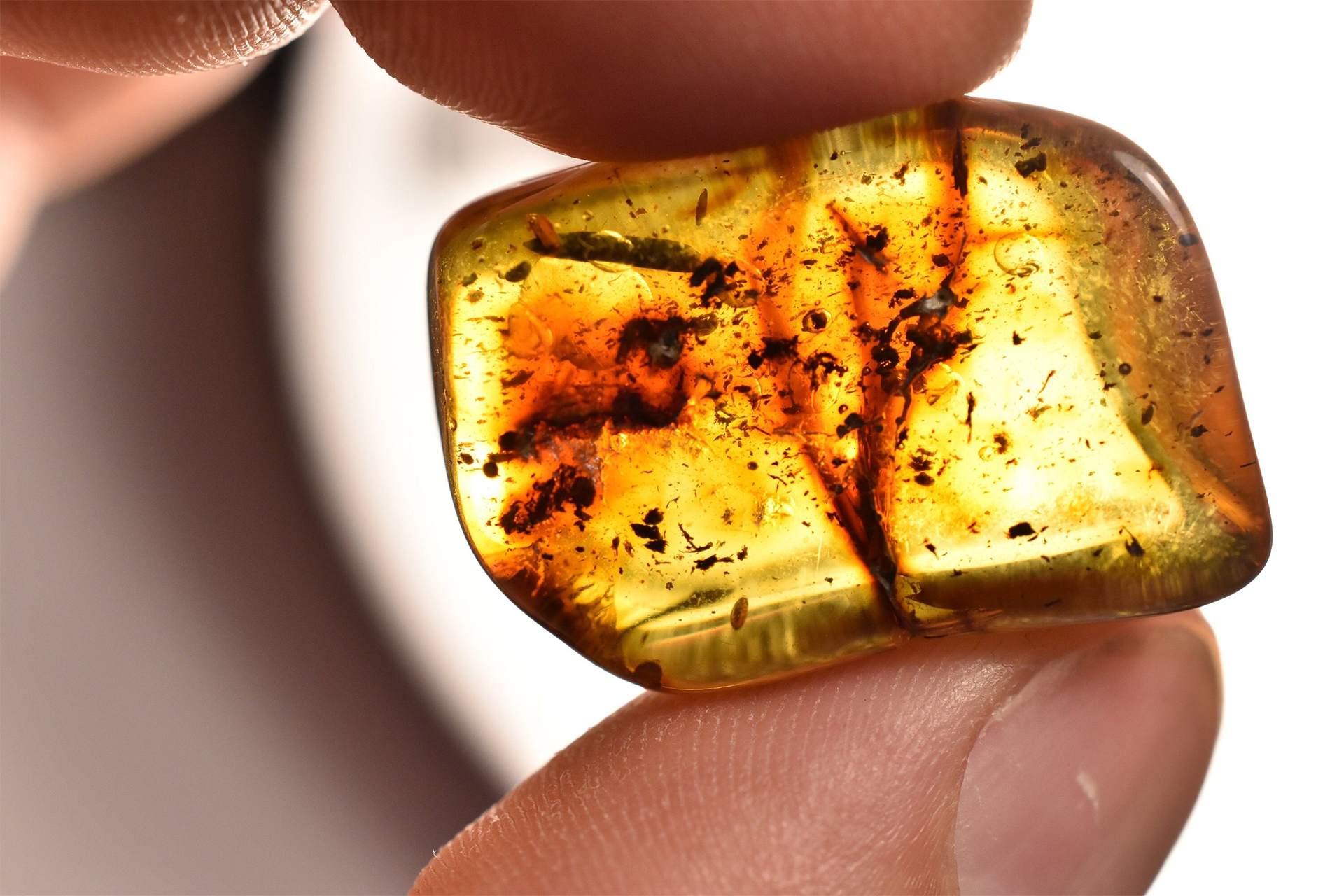
Amber’s importance goes beyond decoration. In antiquity, Baltic amber traveled south through long-distance trade networks commonly referred to as the Amber Road. The National Museum of Lithuania has documented connections between the Baltic region and the Roman world, including the movement of amber from the lands around the Baltic Sea toward Central and Southern Europe.
The historical importance of these networks helps explain why amber occupies such a prominent place in Lithuanian heritage. It was not simply a local material: it was a sought-after luxury commodity that connected communities across Europe.
A Lithuanian National Museum exhibition on the Amber Road examined archaeological evidence, maps, and artifacts connected with trade between the Baltic region and Roman-era societies. The museum notes that amber was regarded as a valuable “northern gold” in the ancient world.
Why is amber called Lithuanian gold?
“Lithuanian gold” is a popular nickname for amber because of its distinctive golden appearance and its historical and cultural value. The phrase also captures something deeper: amber helped put the Baltic region into wider European trade networks, and it continues to support Lithuania’s craft, souvenir, and tourism industries.
The nickname should not be interpreted as meaning amber is literally gold or that every piece has a high monetary value. Quality, size, color, transparency, inclusions, craftsmanship and authenticity can all affect the value of an amber item.
Amber and Lithuanian culture
Amber is woven into Lithuanian cultural identity in several ways. It appears in traditional and contemporary jewelry, decorative objects, museum collections and coastal traditions. Lithuania Travel lists amber jewelry among the country’s traditional souvenirs, alongside linen, wool, ceramics, wood and leather goods.
Amber also appears in modern wellness and cultural experiences. Lithuania Travel describes amber as part of Lithuanian sauna traditions and notes that amber is used in some spa and relaxation rituals. These experiences show how an ancient natural material has been adapted into contemporary tourism without losing its cultural association.
Where can you experience Lithuania’s amber heritage?
Place | Why visit | What to look for |
Palanga Amber Museum | One of Lithuania’s best-known amber attractions | Large collections, historical objects, jewelry and the famous Sun Stone |
Lithuanian National Museum, Vilnius | Archaeological context for amber and Baltic history | Stone Age amber objects and broader prehistoric collections |
Nida / Curonian Spit | Coastal scenery and amber-related tourism | Amber shops, museums, dunes and Baltic Sea coastline |
Lithuanian Baltic coast | Traditional setting for amber gathering | Beachcombing after suitable weather and coastal crafts |
Palanga Amber Museum: a must-see for amber lovers
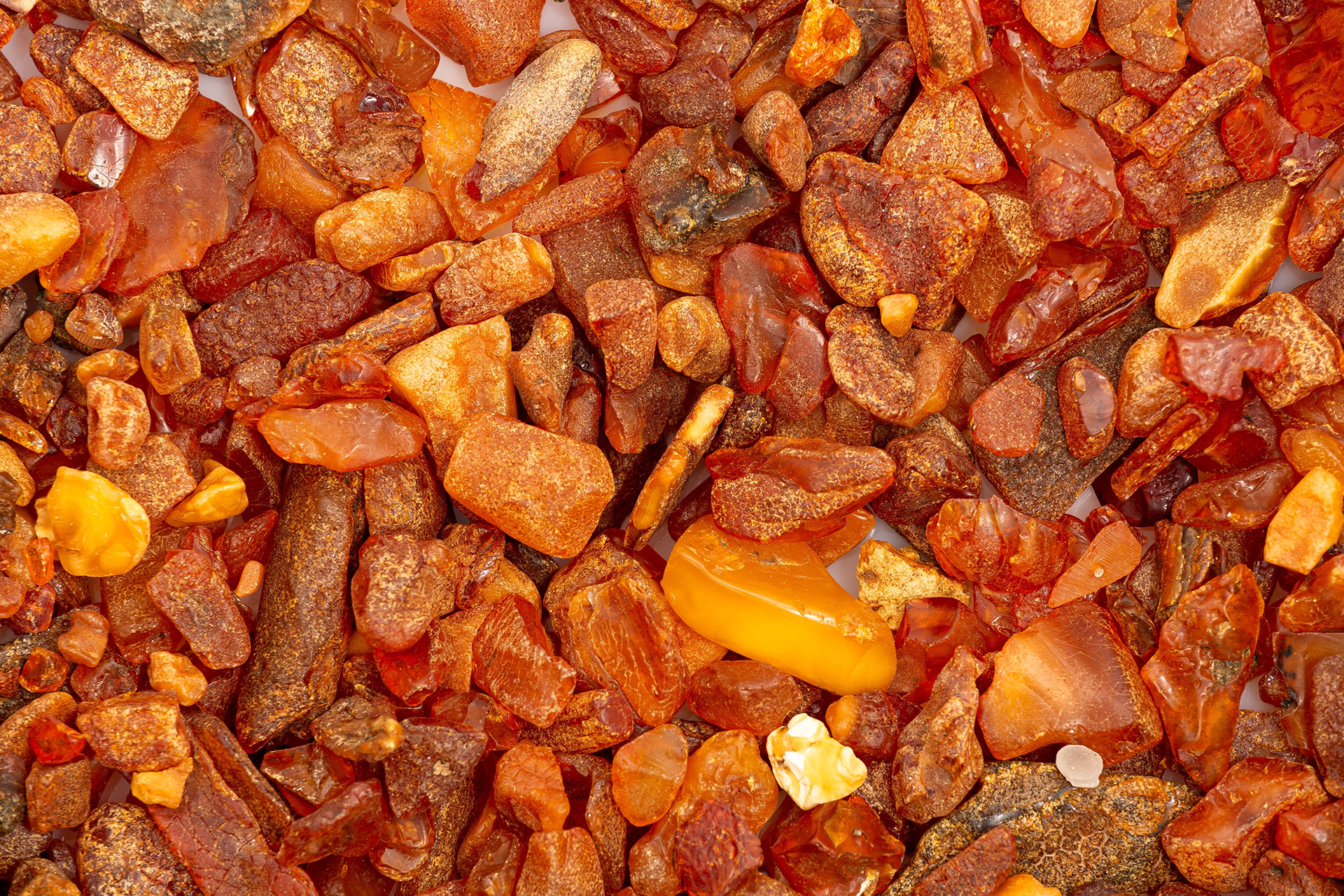
The Palanga Amber Museum is one of the most important places to learn about amber in Lithuania. Housed in the former Tiškevičiai estate within Birutė Park, the museum holds around 30,000 exhibits, according to Lithuania Travel, and is described as having one of the largest amber collections in the world.
One of its best-known pieces is the “Sun Stone,” a large amber specimen weighing about 3.5 kilograms. Beyond individual showpieces, the museum helps visitors understand amber as a natural material, cultural object and part of Lithuania’s coastal history.
For travelers, Palanga also makes sense because it combines the museum with a seaside setting, beach walks and access to Lithuania’s wider coastal region.
How is amber collected in Lithuania?
Amber can be found along the Baltic coast, and traditional gathering is part of Lithuania’s seaside culture. Lithuania Travel specifically promotes amber gathering as a seasonal coastal activity and recommends midsummer, including the period around Klaipėda’s Sea Festival, as a good time to try your luck.
Finding amber is never guaranteed. Storms and rough seas can move material toward shore, so beach conditions and local guidance matter. Visitors should also respect protected areas and local rules rather than removing material from places where collection is restricted.
Why does amber matter to Lithuanian tourism today?
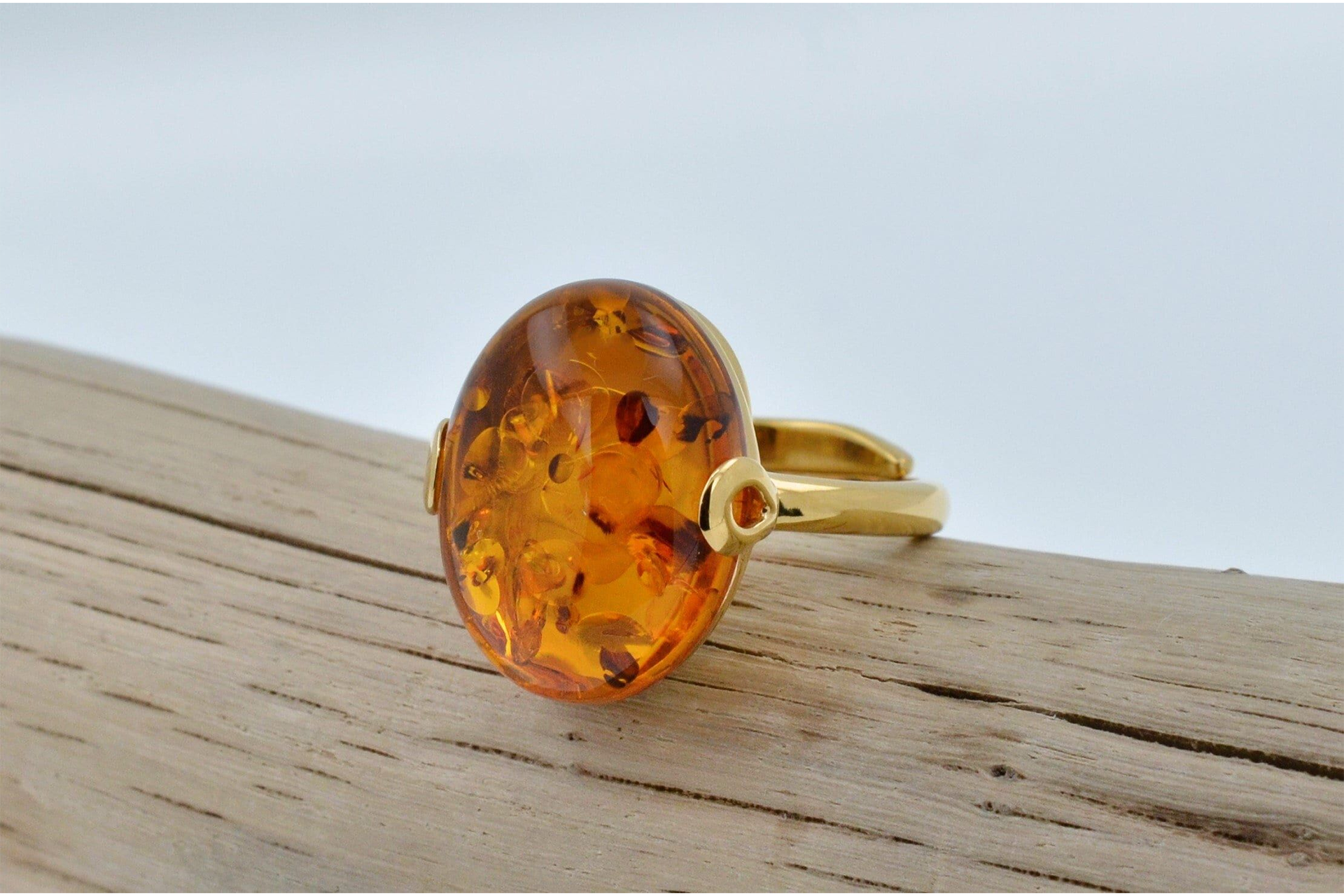
Amber gives Lithuania a distinctive cultural story that travelers can experience rather than simply read about. A visitor can see archaeological amber in Vilnius, explore the Palanga Amber Museum, walk Baltic beaches, browse local jewelry workshops, and visit coastal towns where amber remains part of the regional identity.
It also strengthens the connection between Lithuania’s cities and its western coastline. Lithuania Travel highlights the country’s Baltic seaside destinations, including Klaipėda, Palanga and Neringa, where amber is part of the visitor experience.
How to buy authentic Lithuanian amber
- Ask where the amber was sourced and what type of item you are buying.
- Compare several pieces rather than assuming a higher price automatically means better quality.
- Look closely at color, clarity, inclusions, and craftsmanship.
- For expensive pieces, ask for documentation or an authenticity assessment.
- Be cautious about sellers making exaggerated claims about health benefits or rarity.
A particularly important distinction is between genuine amber and imitations made from plastic, synthetic resin or pressed amber. Reputable museums, established jewelers, and recognized craftspeople are safer starting points than informal sellers making unusually strong claims.
Does Baltic amber have health benefits?
Amber is sometimes marketed for wellness purposes, but traditional use should not be confused with established medical treatment. Lithuania Travel discusses amber in wellness and spa contexts, including amber-based rituals. However, claims that wearing amber jewelry can treat medical conditions should be approached cautiously. Amber products should not replace evidence-based medical care, medications, or professional advice.
For travelers, it is reasonable to enjoy an amber sauna, spa experience, or piece of jewelry as part of cultural tourism, while keeping therapeutic claims in perspective.
Why is amber associated with Lithuania?
Amber is strongly associated with Lithuania because of the country’s Baltic coastline, centuries of amber gathering, ancient trade connections, traditional jewelry, and modern cultural tourism. It has become one of the country’s most recognizable cultural symbols.
Is Baltic amber found in Lithuania?
Yes. Amber has long been gathered along Lithuania’s Baltic coast, and amber-related tourism remains especially visible in western Lithuania and coastal destinations such as Palanga and Neringa.
What is the Amber Road?
The Amber Road is a broad term for ancient trade routes through which Baltic amber moved southward into Central and Southern Europe. It was not a single modern-style road but a network of routes and exchanges connecting different regions.
Where is the best place to see amber in Lithuania?
The Palanga Amber Museum is one of the strongest choices because of its extensive collection and historic setting. In Vilnius, the National Museum of Lithuania also displays archaeological amber objects that place the material in a broader prehistoric context.
Can you find amber on Lithuanian beaches?
It is possible to find amber along the Baltic coast, although success depends on coastal conditions and location. Lithuania Travel promotes amber gathering as a seasonal experience, particularly around midsummer. Always follow local rules and protected-area regulations.
The bottom line
Baltic amber is important to Lithuania because it represents far more than a beautiful gemstone. It links the country’s coastline to ancient European trade, appears in archaeological collections, supports traditional craftsmanship and remains a powerful symbol of Lithuanian cultural identity. For modern visitors, amber provides a thread connecting Vilnius museums with the beaches and seaside towns of western Lithuania.
Whether you visit the Palanga Amber Museum, browse locally made jewelry, explore the Curonian Spit, or simply walk the Baltic shore, learning about amber offers a deeper way to understand Lithuania—and why this golden natural material has remained important for so long.
Start planning your Baltic adventure with our Latvia travel guides →
Contact us today to begin planning your unforgettable adventure:
- Call us at (800) 778‑9847
- Email: info@vytistours.com
- Visit: www.vytistours.com
