Kadriorg Palace is one of the most elegant and historically significant landmarks in Estonia. Set in the heart of Tallinn’s greenest district, this Baroque masterpiece was commissioned by Peter the Great in 1718 as a romantic summer residence for his wife, Catherine I. Today, Kadriorg Palace is more than just a royal estate — it is a world-class art museum surrounded by manicured gardens, fountains, museums, walking trails, and cultural attractions that make it one of the most rewarding destinations to visit in 2025.
Whether you are planning a short city break in Tallinn or a longer estonia tours, Kadriorg Palace is a destination that combines architecture, art, and nature in a single unforgettable experience. Guests can explore ornate palace halls, wander through Kadriorg Park, view permanent and rotating art exhibitions, and enjoy cafés with scenic views of flowerbeds and ponds. This is one of the top highlights for travelers in Tallinn, especially for those who appreciate history, culture, and beautifully designed landscapes.
In this travel guide, you will find everything you need to plan your visit to Kadriorg Palace in 2025 — including opening hours, ticket prices, how to get there, what to see inside, the best nearby attractions, places to eat, and where to stay. All practical information is written clearly and concisely, based on traveler insights and up-to-date details. By the end, you’ll know exactly how to make the most of your time at Kadriorg Palace and why it continues to be one of Estonia’s most beloved destinations.
Trending New Year Estonia Vacation Package: New Years in Tallinn December 2025 – January 2026 4 Days / 3 Nights
Why Kadriorg Palace Is Worth Visiting
Kadriorg Palace stands out as one of Estonia’s most impressive cultural and architectural attractions. From the moment you enter the tree-lined avenues of the surrounding park, it is clear why this palace has remained a favorite among travelers for more than 300 years. Here are the main reasons why Kadriorg Palace is absolutely worth visiting on any trip to Tallinn:
A Rare Example of Baroque Architecture in the Baltics
Kadriorg Palace is the only grand baroque-style royal residence in Estonia, designed by the celebrated Italian architect Nicola Michetti. Its pink-and-white façade, sculpted ornamental details, and symmetrical gardens offer a level of elegance seldom found elsewhere in Northern Europe. For architecture lovers, photographers, and history enthusiasts, this is a must-see landmark.
A Royal Connection with Peter the Great
The palace has a strong personal connection to Russian history. It was built in honor of Catherine I, and Peter the Great himself stayed here during his visits to Tallinn. Several original artifacts and rooms are preserved, giving visitors a sense of life at the imperial court. You can explore the grand hall, decorated ceilings, portraits, and carefully restored rooms that reflect the palace’s noble past.
A Leading Art Museum
Today, the palace houses the Kadriorg Art Museum, the country’s top venue for Western European and Russian art. Exhibitions cover paintings, sculptures, and decorative arts dating from the 16th to the 20th century. Special exhibitions rotate throughout the year, making every visit unique.
Beautiful Gardens & Park
Kadriorg Park is one of Tallinn’s green jewels. The flowerbeds, hedge designs, fountains, ponds, and walking trails make it a peaceful escape from the city center. Visitors especially enjoy the Japanese Garden, rose gardens, and seasonal blooms. It’s a destination that feels romantic, historic, and relaxing at the same time.
Multiple Attractions in One Location
Beyond the palace and gardens, the Kadriorg district is packed with cultural highlights:
Kumu Art Museum – Estonia’s largest and most modern art museum
Swan Pond & Fountain – a picturesque spot for photos
Peter the Great’s Cottage – a charming historic home
Cafés and walking paths – perfect for breaks during your visit
All attractions are within a short walking distance, making Kadriorg Palace an easy half-day or full-day trip.
Trending Tallinn Christmas Market Vacation Package: TALLINN CHRISTMAS MARKET December 2025, 4 Days/3 Nights
Kadriorg Palace Architecture & Interior Design

Kadriorg Palace is one of the finest examples of Baroque architecture in Northern Europe, designed to impress, entertain, and showcase royal power. The building was commissioned in 1718 by a Russian emperor as a summer residence, inspired by Italian villas and the grand palaces of the European elite. The result is a stunning masterpiece marked by symmetry, elegance, and historic charm that still captivates visitors today.
Baroque Grandeur at First Sight
The palace exterior is instantly recognizable thanks to its bold red and white color scheme, ornate stucco work, and beautifully detailed façades. Grand staircases, sweeping terraces, and decorative columns reflect the extravagance of early 18th-century aristocratic taste. Every angle of the building is visually pleasing, which is why the palace is a favorite location for photography and wedding shoots.
Walking through the estate, the relationship between the building and nature becomes obvious. Large windows face the manicured gardens, and the structure is positioned to maximize light and views. This harmony between architecture and landscape was one of the key principles of Baroque design, and Kadriorg Palace expresses it perfectly.
Magnificent Interior Highlights
Inside, the palace is even more impressive. The most striking room is the Great Hall — a dazzling space decorated with marble, mirrors, stucco carvings, and ceiling paintings. The original design featured hand-painted frescoes and elaborate chandeliers, creating an atmosphere suitable for royal receptions and celebrations. Today, visitors often describe it as the most beautiful room in Estonia.
Other rooms feature carefully restored details such as:
Ornamental door frames and wall panels
Intricate parquet floors
Floral and geometric ceiling patterns
Elegant fireplaces
Walking from room to room feels like stepping back into the 18th century, with each space offering something unique.
Art as Part of the Design
Kadriorg Palace also houses the Kadriorg Art Museum, which displays European paintings, sculptures, and decorative arts. The artworks complement the interiors rather than compete with them, reinforcing the palace’s original purpose: a refined place of culture and leisure. This combination of architecture, art, and history makes the palace feel complete — a living example of how buildings were designed to celebrate beauty in every form.
A Palace Designed to Be Admired
The architecture of Kadriorg Palace was never meant to be subtle. It was built to be admired, to impress visiting ambassadors, and to demonstrate cultural sophistication. More than 300 years later, the effect remains the same. Guests walk through the doors and immediately feel the elegance, luxury, and timeless charm that makes this palace one of Tallinn’s most beloved attractions.
Trending New Year Estonia Vacation Package: New Years in Tallinn December 2025 – January 2026 4 Days / 3 Nights
Kadriorg Art Museum – What You Will See

Image Source: Visit Estonia
Walking into Kadriorg Art Museum is like stepping into a chapter of European and Russian art history — housed in a palace that is itself a masterpiece. The museum is located in Kadriorg Palace, an 18th‑century Baroque residence built by Peter the Great. Its halls, staircases, and frescoed ceilings reflect a royal ambition from a bygone era — making the building as much a highlight as the artworks it preserves.
A deep, wide‑ranging art collection
The museum’s permanent collection spans from the 16th to the 20th century, featuring Western European and Russian paintings, prints, sculptures and applied arts.
You’ll find works from Dutch, German, Italian and Russian art traditions — a rare opportunity in Estonia.
Beyond canvases, the museum also displays decorative and applied arts: porcelain, ceramics, textiles, glass and furniture, giving a sense of how aesthetic sensibilities evolved across Europe over centuries.
The palace itself — architecture as art
The very structure of Kadriorg Palace enriches the museum experience. The grand hall, with its stucco‑decorated ceilings and lavish Baroque interior, stands as one of Northern Europe’s finest surviving palace rooms — a vivid reminder of the imperial ambitions of its original patron.
As you move through different floors and wings, you’ll also notice layers of history: rooms remodeled in the 19th century, banquet halls added during the early 20th century, and elegant additions from the palace’s time as a state residence.
Sculpture gallery — a hidden gem
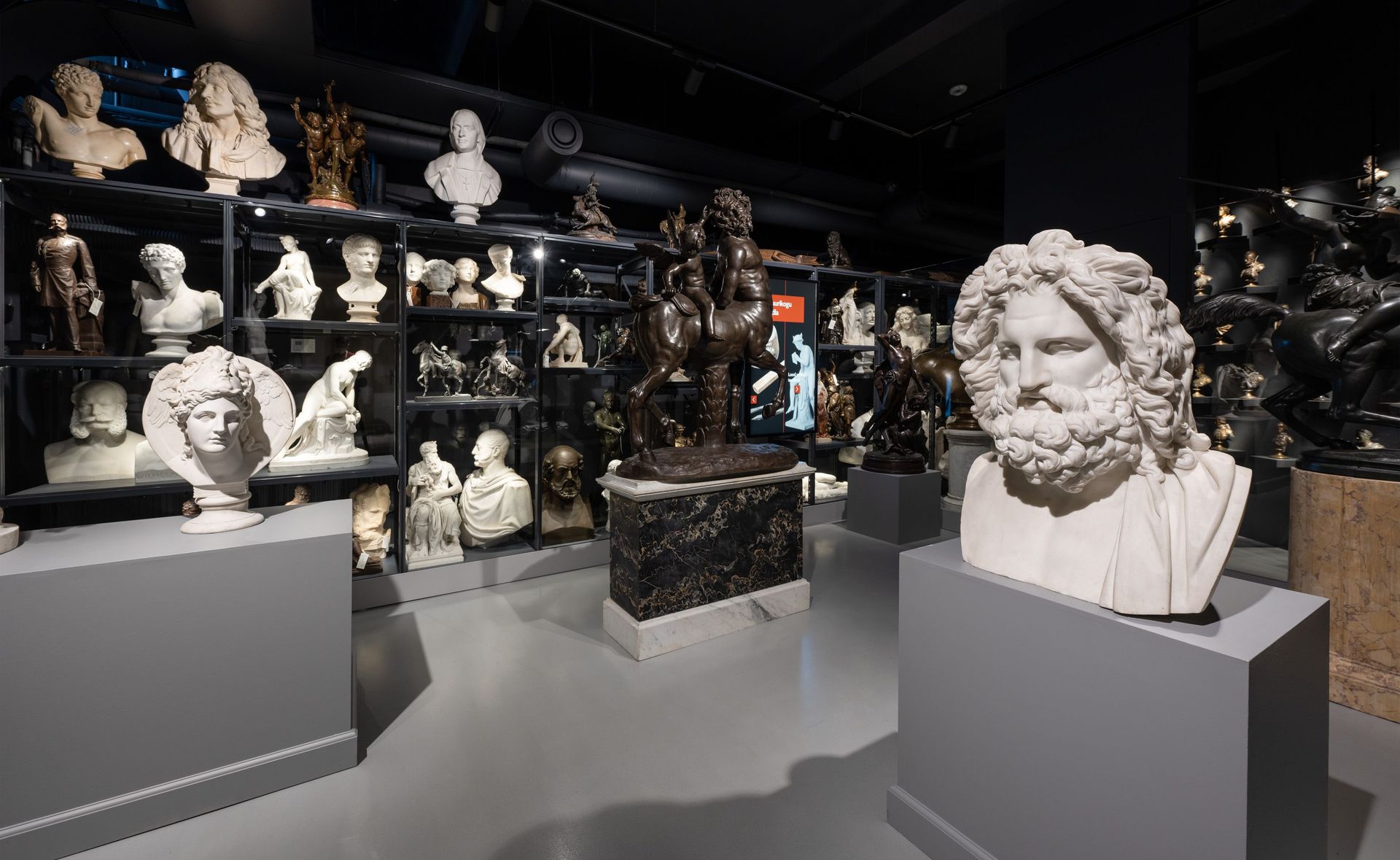
A particularly rewarding discovery is the museum’s open‑storage sculpture gallery: over 250 sculptures from the 18th to 20th centuries are displayed in a way that lets you inspect form, technique, and style up close. Expect portrait busts, classical‑style statues, figurative art — many pieces rarely shown elsewhere.
This space offers a more intimate, often quieter alternative to the main galleries — ideal for visitors who appreciate sculpture or want to explore beyond the typical “painting gallery” experience.
Temporary exhibitions and rotating showcases
In addition to its permanent collection, Kadriorg regularly hosts 2–3 temporary exhibitions a year — often with works borrowed from prominent European museums or private collections. These exhibitions might highlight a particular artist, a historic period, or a specific art form (e.g. still life, engravings, prints).
Because of this, every visit can feel different — even if you’ve been before. It’s a museum that evolves, offering both continuity and surprises.
Trending Tallinn Christmas Market Vacation Package: TALLINN CHRISTMAS MARKET December 2025, 4 Days/3 Nights
Kadriorg Park: Gardens, Trails & Surroundings

Image Source: LandScape Notes
Tucked just a short distance east of Tallinn’s Old Town, Kadriorg Park unfolds across about 70 hectares — a sweeping green retreat commissioned in 1718 by Peter the Great as part of the summer-palace ensemble for his wife, Catherine I.
A Layered Landscape Through Centuries
Over three centuries, the park has grown and evolved through multiple eras — from the formal 18th-century Baroque gardens to 19th- and 20th-century romantic landscaping. The result is a rich tapestry of garden styles: symmetrical flowerbeds, tree-lined promenades, fountains, open lawns and groves — offering something new no matter the season.
Highlights You Shouldn’t Miss
Swan Pond: This serene pond — complete with fountain, gazebo and ducks — is a beloved centrepiece of the park. It’s a perfect starting point for a stroll or simply to sit back and enjoy the calm water reflections and surrounding greenery.
Promenades & Gardens: From Swan Pond, charming walkways lead you through flower beds, lawns, and shaded aisles of oak, horse-chestnut, and lilac trees — ideal for romantic walks, picnics, or quiet contemplation.
Kadriorg Japanese Garden: A modern but harmonious addition (completed in 2011), the Japanese Garden merges natural rock features, seasonal blooms and graceful design — a peaceful corner that blends East-Asian garden philosophy with Estonia’s cool-climate planting.
Museums & Cultural Sites: The park isn’t just greenery. Scattered within are cultural gems like KUMU Art Museum, Kadriorg Art Museum, and Mikkel Museum. Together with monuments commemorating notable Estonian artists and writers, these make Kadriorg both a cultural and natural destination.
Historic Atmosphere & Leisure Vibes: The park’s roots trace back to royal ambition, but it has long been a public space. Paths, lawns, fountains and centuries-old trees provide a setting for relaxation, strolls, family outings or a quiet retreat from the city bustle.
Why Kadriorg Park Is Worth a Visit
Kadriorg Park blends history, nature, and culture in an elegant package. Whether you appreciate Baroque-era grandeur, seasonal garden design, tranquil water scenes, or art and museums — the park offers a full-bodied experience that evolves by the season and mood. The scale and diversity of its layout make it ideal for a long stroll, a lazy afternoon, or a sightseeing day combining art, architecture and nature.
Trending New Year Estonia Vacation Package: New Years in Tallinn December 2025 – January 2026 4 Days / 3 Nights
Nearby Attractions Worth Visiting
Kumu Art Museum
Located within the grounds of Kadriorg Park — just a short stroll from the palace — Kumu presents Estonia’s most comprehensive anthology of national art, ranging from the 18th century to contemporary works. Its modern-glass architecture and thoughtfully curated exhibitions make it a must-see for anyone interested in Estonian art and history.
Mikkel Museum
Housed in what once was the palace’s kitchen building, Mikkel Museum offers a more intimate, less-crowded experience. The museum showcases a unique collection of Western art and fine porcelain — including beautiful European and Chinese ceramics — gifted by collector Johannes Mikkel.
Russalka Memorial & Seaside Promenade
Just beyond the park lies this poignant monument — a bronze memorial erected in memory of the shipwrecked Russian warship Rusalka. The seaside setting offers a peaceful contrast to the park’s greenery and art halls, and it pairs nicely with a walk along the waterfront or a visit to nearby coastal attractions.
Tallinn Song Festival Grounds
A short ride or walk from Kadriorg Park brings you to the historic Tallinn Song Festival Grounds — an open-air venue deeply embedded in Estonia’s cultural identity, known for large-scale music and dance festivals. Visiting here offers more than a sight: it’s a step into a site symbolizing national heritage and communal spirit.
Why Include These in Your Kadriorg Itinerary
Together with Kadriorg’s museums and gardens, these nearby attractions offer variety — from classical and modern art to history, seaside views, and cultural landmarks.
They’re easily accessible on foot or by short tram ride, making it realistic to bundle several in one day.
Whether you prefer art, history, architecture, or relaxing by the sea, this mix ensures something for every kind of traveller.
Trending Tallinn Christmas Market Vacation Package: TALLINN CHRISTMAS MARKET December 2025, 4 Days/3 Nights
Events, Exhibitions & Cultural Experiences at Kadriorg Palace
The Kadriorg Art Museum isn’t just a repository of art — it’s a vibrant cultural hub where exhibitions, concerts, guided estonia tours, and art‑history events bring the past to life in fresh, engaging ways.
Rotating Exhibitions & Special Shows
The current exhibition Garden of Delights. The Seventeenth Century in Bloom (running 30 Aug 2025 – 25 Jan 2026) showcases more than 300 floral‑still‑life masterpieces from the 17th‑century Netherlands and Belgium — a rare opportunity to admire works by masters who treated nature with scientific precision and poetic flourish.
Another notable exhibition is Archaeology of Dreams: Giovanni Battista Piranesi’s Prints (on until 23 Nov 2025). It presents etchings by the Italian printmaker, inviting visitors to explore imaginative, dream‑like visions of ancient architecture and classical ruins.
The museum typically offers 2–3 temporary exhibitions each year — often drawing from international collections and highlighting art from Netherlandic, German, Russian or broader European traditions.
Permanent Exhibits & “Visible Storage”
The museum’s permanent collection remains a cornerstone experience. It features Western European and Russian paintings, graphics, sculptures and applied arts spanning roughly the 16th–20th centuries.
In addition — a unique offering — the museum’s “visible storage gallery” displays over 250 sculptures (mainly 18th–20th century). This off‑beat “behind‑the‑curtain” glimpse lets visitors see works often not featured in main galleries, offering a fuller sense of the scope and depth of the museum’s holdings.
Concerts, Talks & Cultural Events
Kadriorg Palace frequently transforms from art gallery to cultural venue:
Concerts, such as the scheduled Palace Music: Duo Dalia Dedinskaite & Gleb Pyšniak on 07 Dec 2025 and a New Year’s Eve Concert on 28 Dec 2025, showcase classical music in the evocative setting of the palace’s historic halls.
Lectures and art‑history talks accompany major exhibitions, offering deeper insights into featured artists, periods, or specific artworks — ideal for travellers wanting more context and understanding.
For example, the event English‑language Tour: Permanent Exhibition of the Kadriorg Art Museum occurs monthly (on the first Wednesday), presenting the highlights of the permanent collection in accessible narration for international visitors.
Alternate & Outdoor‑Linked Experiences
The museum doesn’t operate in isolation — often events spill into the surrounding palace grounds and park:
The annual arts‑and‑nature initiative Great Painting Saturday invites visitors to explore the palace’s surroundings, paint en‑plein‑air, or take part in workshops — a creative way to engage with Kadriorg’s architecture and landscape in daylight.
Guided tours that treat the entire ensemble (palace, museum, park) as an integrated cultural and historical experience expand the visitor’s perspective — combining art, architecture, nature, and heritage.
Trending New Year Estonia Vacation Package: New Years in Tallinn December 2025 – January 2026 4 Days / 3 Nights
Opening Hours, Tickets & Prices” — Kadriorg Art Museum
Opening Hours
Tuesday, Thursday, Friday, Saturday, Sunday: 10:00 – 18:00
Wednesday: 10:00 – 20:00 (extended evening hours)
Monday: Closed,
Note: Tickets are sold until about 30 minutes before closing time.
Ticket Prices
Ticket type | Price (Euros) |
Adult | € 15.00 |
Discount (students, seniors, some card‑holders) | € 8.00 |
Family (2 adults + underage children) | € 30.00 |
Combined tickets are also available if you wish to visit multiple branches of the Art Museum of Estonia (of which Kadriorg is one). For example:
2‑museum ticket (e.g. Kadriorg + Mikkel Museum) — € 19.00
3‑museum Kadriorg‑area ticket — € 28.00
5‑museum pass (all main branches) — € 40.00
There’s also an annual pass option that covers unlimited visits to the Kadriorg Art Museum and Mikkel Museum for a year.
Useful Tips for Visitors
Tickets are delivered as PDF (email) and can be presented either printed or on your mobile — valid until end of visit.
If you plan to visit more than one museum under Art Museum of Estonia umbrella, combined tickets or passes tend to offer better value.
Evening visits: Wednesday is the best day if you prefer a late‑afternoon or evening slot.
Trending Tallinn Christmas Market Vacation Package: TALLINN CHRISTMAS MARKET December 2025, 4 Days/3 Nights
How to Get to Kadriorg Art Museum / Kadriorg Park
Address & Location
Address: Weizenbergi 37, 10127 Tallinn (inside Kadriorg Park)
The museum and park lie in the Kadriorg district of Tallinn, about 2–3 km from the city centre depending on your starting point.
By Public Transport (Tram or Bus) — Recommended
By Tram
Take tram no. 1 or no. 3 from the city centre (e.g. from stop Hobujaama or main train station area) toward “Kadriorg.”
Get off at the final stop “Kadriorg”. From there, it’s about a 5‑10 minute walk down Weizenbergi Street to the museum or park entrance.
The journey from central stops (e.g. from Balti jaam railway/metro stop) to Kadriorg takes roughly 15 minutes by tram.
By Bus
Several bus lines from central Tallinn / major hubs connect to Kadriorg. For instance, from Viru Keskus you can take buses numbered 1, 8, 19, 29, 34, 35, 38, 44, 51 (and 5, 60, 63 depending on route) and get off at stop “J. Poska” — from there it’s a short walk to Kadriorg.
Alternatively, some routes end at nearby museum‑area stops (especially around the broader Kadriorg/KUMU cluster), offering easy access.
Public Transport Fare / Tickets
A standard 1‑hour public‑transport ticket costs about €2, and a full‑day cap is around €5.50. A contactless payment card works directly on trams/buses.
On Foot or By Bike
From central Tallinn (Old Town / Viru area) you can walk to Kadriorg along Narva Road — journey takes roughly 30–35 minutes on foot.
Bicycles are also a popular option; the ride is shorter — around 15–20 minutes, depending on starting point and pace.
Walking or cycling lets you enjoy a scenic route through Tallinn’s streets, often including leafy avenues, older district houses, and a gradual transition toward the green surroundings of Kadriorg.
By Car or Taxi
For visitors arriving by car or taxi, there is parking near the nearby Kumu Art Museum (close to Kadriorg), e.g. on Valge Street or Mäekalda Street.
From parking, it’s a short walk to Kadriorg Park / Art Museum along Weizenbergi Street.
Due to limited central parking and narrow historic streets, public transport is usually the more convenient choice.
Quick Transport Options Summary
| Method | Details / Time |
| Tram 1 or 3 | From Hobujaama / Balti jaam → stop “Kadriorg” → 5–10 min walk. ~15 min ride. |
| Bus | From Viru Keskus or central stops → “J. Poska” → short walk. Frequent lines (1, 8, 19, 29, 34, 35, 38, 44, 51, etc.) |
| Walking | ~30–35 min from Old Town / city centre along Narva Road |
| Bicycle / E‑scooter | ~15–20 min (depending on start) — scenic, flexible |
| Car / Taxi | Park near Kumu or Valge/Mäekalda street parking; walk via Weizenbergi Street |
Travel Tips for Visiting Kadriorg Palace
Best Time & Timing Tips
For the most picturesque visit, aim for late spring through early autumn (May–September) — gardens are in full bloom, weather is pleasant, and outdoor strolls around the park are delightful.
If you prefer fewer crowds and a quieter vibe, visit on weekdays, ideally early morning just after opening.
Even winter visits have charm: snow‑covered palace and serene park surroundings create a peaceful, fairytale‑like atmosphere — though dress warmly.
Plan Enough Time & Mix Activities
Don’t rush: allocate at least 2–3 hours if you only visit the palace museum. If you also explore the park, nearby museums, or just stroll around, consider half a day.
Combine indoor and outdoor experiences: after seeing palace interiors and art, take time to wander the gardens, walk around ponds, or relax by the swan‑pond — it gives a fuller sense of what Kadriorg offers.
What to Wear / Bring
Comfortable shoes — there’s a lot of walking, both indoors inside the palace and outdoors across park paths.
A light jacket or layers: even in warmer months, evenings can be cool; in colder seasons, it might get chilly.
A camera — but respect museum rules (some exhibits may restrict flash or photography), and use it to capture both the ornate interiors and the natural beauty outdoors.
Bonus Tips & Nearby Options
If you enjoy museums, consider combining your visit with nearby attractions like KUMU Art Museum or Mikkel Museum — both are within walking distance in Kadriorg.
For a relaxed break, there are cafés and spots near the park where you can grab a pastry or coffee, or enjoy a picnic after your visit.
If you travel with children: there is a playground nearby and family‑friendly spaces that make Kadriorg a good balance of art, history, and nature.
Contact Vytis Tours Now!
At Vytis Tours, we’ve been the trusted journey partner for Baltic tours across Estonia, Latvia, and Lithuania for over 32 years—curating immersive experiences that blend iconic sights with authentic cultural encounters. Whether you’re longing to explore medieval castles, experience Lithuanian traditions, or enjoy the pristine landscapes of the Baltic coast, our expertly designed Baltic vacation packages offer flexibility, local insight, and seamless service.
Contact us today to begin planning your unforgettable adventure:
Call us at (800) 778‑9847
Email: info@vytistours.com
Visit: VytisTours.com