
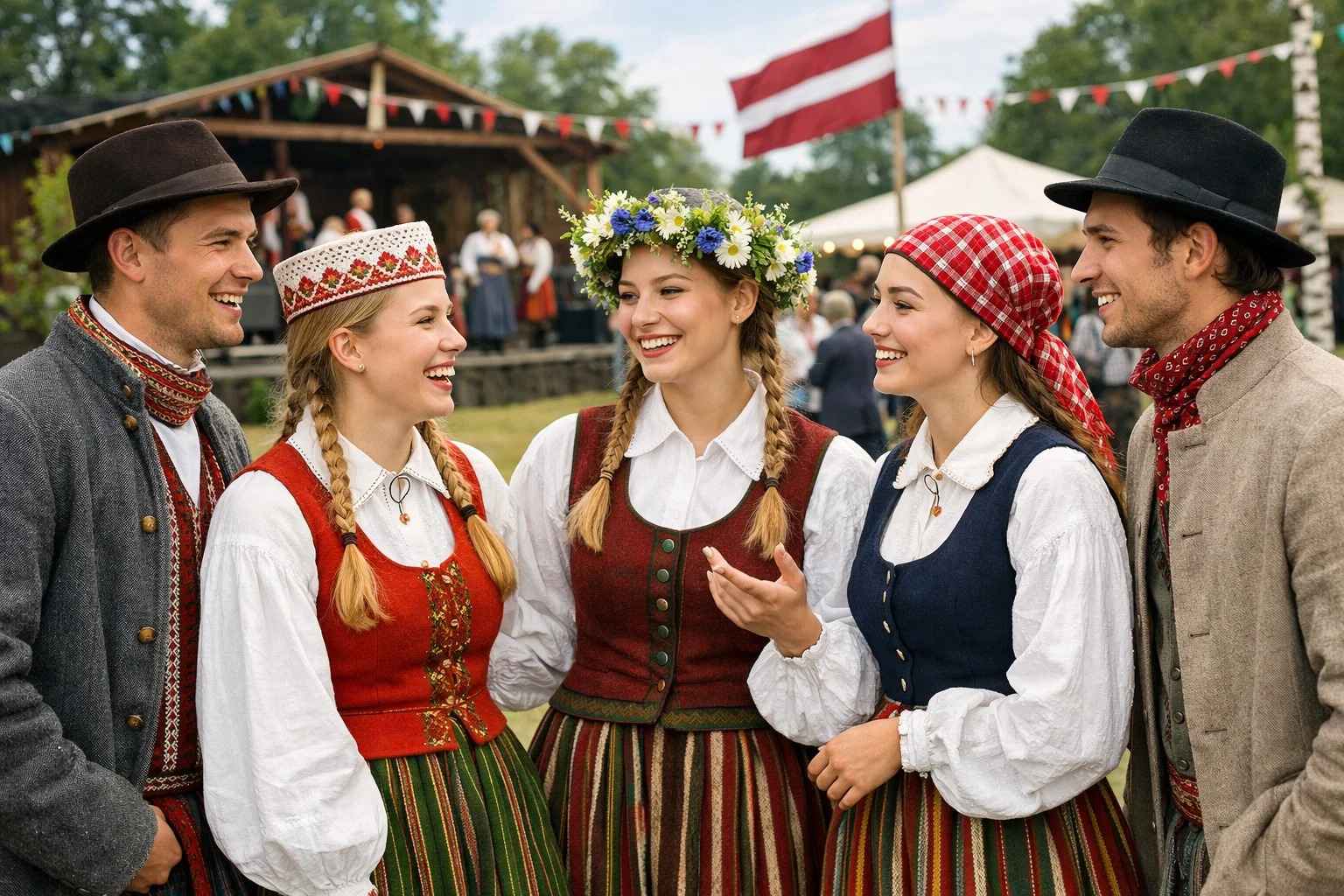
To truly appreciate Latvian culture, it helps to understand the heart of the society — its people. Locals in Latvia are shaped by centuries of tradition, a strong connection to nature, and a resilient spirit that has survived occupations, cultural shifts, and rapid modernization. Their daily lives, values, and social behaviors offer meaningful insight into how they live, work, and interact — making your tours to latvia more rich and rewarding.
A Deep Connection to Nature and Seasons
Latvians have a strong and enduring connection with nature that shows up in everyday routines and seasonal traditions alike. Historically a rural people with livelihoods rooted in agriculture, fishing, and craft, many Latvians still value:
Weekends in forests or by lakes — hiking, berry and mushroom picking, or picnicking with family.
Seasonal rhythms, where long summers are celebrated with festivals like Jāņi, and winters bring winter swimming and sauna traditions.
Respect for natural spaces and quiet landscapes, which are part of Latvian identity rather than just recreational options.
This connection translates into a lifestyle where quality of life and harmony with the environment often matter more than material status — something many visitors notice when exploring both rural and urban sides of Latvia.
Reserved but Respectful Social Interactions
Latvians are generally polite, respectful, and value calm, considered interaction. Unlike many cultures where small talk is common between strangers, Latvians tend to be reserved and quietly observant — not unfriendly, but cautious in opening up.
Common social traits include:
Politeness and formality: A traditional handshake and greeting like “Labdien” (Hello) are common.
Punctuality: Being on time for social and business commitments is important and seen as a sign of respect.
Personal space: Latvians value distance in conversation and may maintain quiet public behavior, especially in transit or shared spaces.
Because of this, it’s common for visitors to feel that locals are “introverted” at first. Once a relationship is established, however, Latvians are warm, generous, and sincere in deeper conversation.
Family, Community, and Everyday Life
Family and community matter deeply in Latvian life, especially outside large cities:
Family gatherings are central — celebrations, shared meals, and small get-togethers help maintain cultural continuity.
In smaller towns and villages, multi-generational households and close neighbor networks are still common.
Even in urban areas like Riga or Liepāja, traditions such as Sunday family dinners and seasonal holidays are significant.
This community focus also shows in local festivals and celebrations, where people gather not just as spectators but as participants — singing, dancing, and sharing food together.
Work Ethic and Lifestyle Priorities
Latvians generally approach work with a practical and balanced mindset, where efficiency and quality matter, but not at the expense of family life and leisure.
Key aspects of daily life include:
A moderate pace of work and leisure, with people often valuing quiet time and personal space over constant bustle.
Shopping, errands, and socializing tend to be practical and low-key compared to more extroverted cultures.
There is a growing interest in wellbeing activities such as sauna rituals (pirtis), cold-water swimming, and seasonal sports.
This balance between work, community, and nature often surprises visitors used to more urban tempos, enriching the travel experience.
Traditions That Carry Personal Meaning
Even in daily life, traditional elements remain important:
Gift-giving on social visits, especially when invited to someone’s home, is appreciated — something as simple as flowers (preferably not an even number for celebratory purposes) shows respect.
Shared meals and feasts during holidays emphasize togetherness and often include traditional dishes that reflect Latvia’s seasonal character.
These customs reflect how deeply tradition is woven into everyday life, not just festival occasions.
Language and Communication
While Latvian is the official language and a source of cultural pride, many Latvians — especially in urban centers — also speak English, and often well. The communication style tends to be:
Direct but polite, without unnecessary exaggeration or overly emotional expressions.
Reserved at first contact, becoming more relaxed as familiarity grows.
Content-focused, where meaningful conversation is preferred over casual chat.
This style can sometimes be misinterpreted by visitors, but when understood in context, it adds richness to cultural interaction rather than serving as a barrier.
A Culture That Balances Old and New
Today’s Latvians occupy a cultural space that harmonizes respect for tradition with modern influence:
Folk heritage, such as song and dance festivals, remains vibrant — not as a staged show but as a living practice.
Cities feature contemporary music, creative arts, and international cuisine, while smaller towns remain rooted in heritage activities.
For travelers on Latvia guided tours, this blend makes every encounter — whether in a café, museum, or village square — a deeper insight into how Latvian culture operates on both personal and national levels.
Read More: Trip to Rundale Palace, Latvia (2026 Guide)
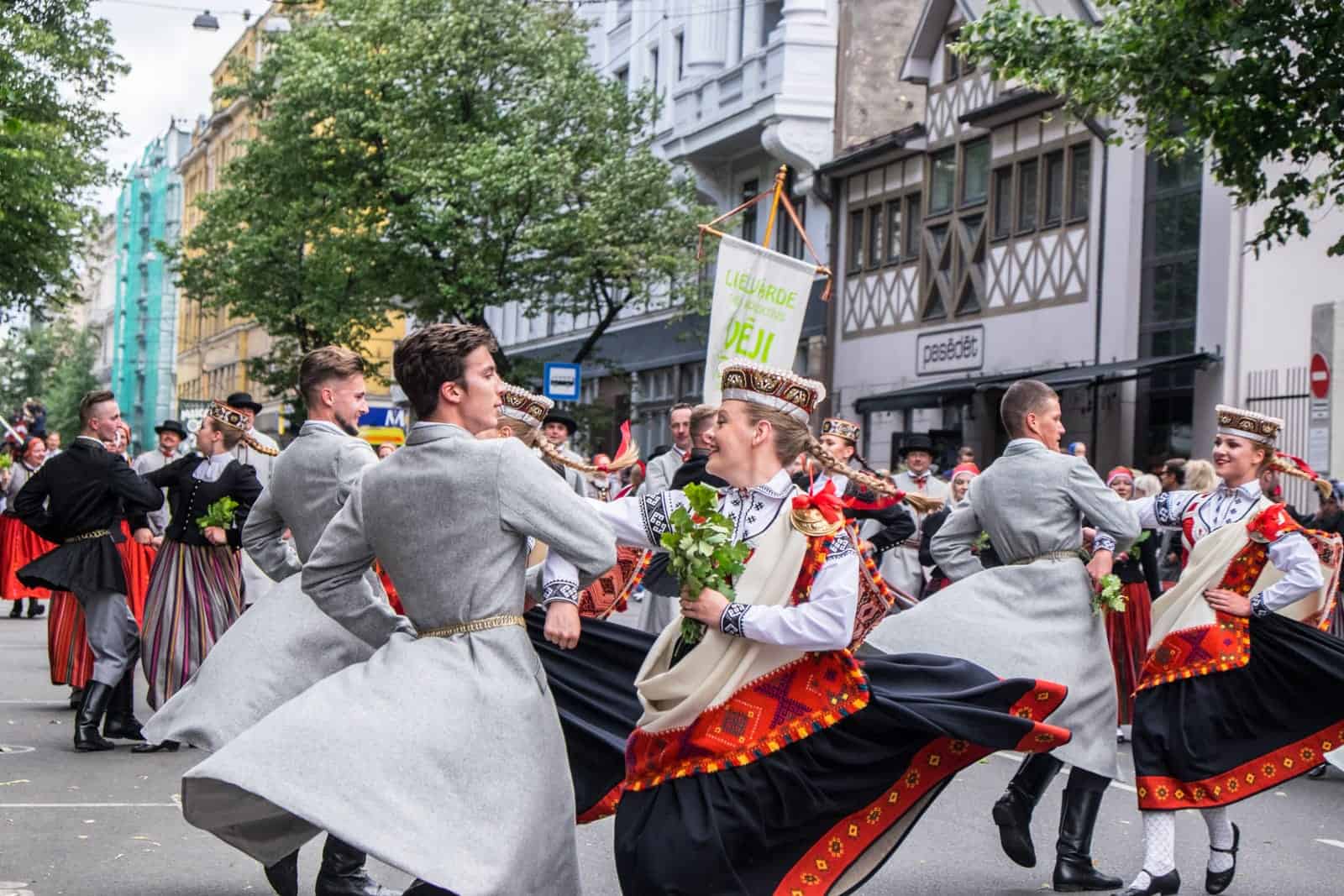
Latvian traditions are inseparable from Latvian culture — they reflect centuries-old beliefs, seasonal rhythms, and a living heritage that continues to shape modern society. Many of the most important traditions are ongoing celebrations that bring people together, preserve ancient customs, and highlight shared identity. These vibrant cultural experiences are not only fascinating to observe but also highly engaging ways to connect with locals during your vacations to latvia.
Ancient Pagan Beliefs and Folk Heritage
Long before Christianity became dominant in the 13th century, the people living on Latvian territory practiced nature-based religions focused on the cycles of life, the elements, and the forces of nature itself. These belief systems celebrated seasonal changes, celestial events, and cycles of sowing and harvest — foundations that still influence contemporary traditions.
Even today, many Latvians feel a spiritual connection with the natural world. The revival of interest in Dievturība (“the holding of Dievs”), a modern interpretation of traditional Baltic paganism, illustrates how these ancient spiritual concepts still resonate. This worldview blends reverence for nature, seasonal rituals, and community celebrations rooted in ancestral beliefs.
Līgo & Jāņi — The Midsummer Solstice Celebration
Few traditions capture the spirit of Latvian culture like Līgo and Jāņi, Latvia’s midsummer solstice festivities celebrated on June 23–24 each year. These holidays mark the longest day and shortest night and are rooted in ancient pagan beliefs that honor the life-giving power of the sun.
Rituals & Customs
The core elements of Līgo and Jāņi include:
Bonfires: Bonfires are lit at sunset, symbolizing the strength of the sun and warding off evil spirits. Communities gather around them to sing, dance, and feast.
Flower and Oak Wreaths: Women traditionally wear wreaths made of wildflowers and herbs, while men wear oak leaf wreaths — believed to bring health, luck, and protection.
Traditional Foods & Drinks: Special foods like Jāņu siers (a cheese flavored with caraway seeds) and local beer (alus) play a central role in the celebration, symbolizing abundance and community togetherness.
Folk Songs & Dance: Singing Līgo refrains and other folk songs throughout the night expresses joy and connection with nature.
All-Night Festivities: In many rural areas, celebrations continue through the night into dawn, with rituals to greet the rising sun and secure prosperity for the coming year.
This festival is both a cultural experience and a social occasion — locals and visitors alike celebrate together, making it one of the most immersive experiences for culturally curious travelers.
Winter and Spring Solstices
Ziemassvētki (Winter Solstice/Christmas): Beyond the modern Christian holiday, the ancient ritual of log pulling (bluķa vilkšana) is central. People drag a wooden log through the village to collect all the year’s misfortunes and then burn it to symbolize the return of the sun.
Lieldienas (Easter/Spring Equinox): This is one of the most ritual-heavy festivals. The most famous tradition is swinging (šūpošanās) on large wooden swings to ensure a good harvest and protect against mosquitoes. Another must-mention is egg-rolling and egg battles, where participants tap eggs together to see whose is strongest.
Weddings and “Mičošana”
Mičošana: This is the most emotional part of a traditional Latvian wedding. At midnight, the bride’s flowery wreath is replaced with a married woman’s cap (and the groom gets a hat), symbolizing their transition from “youth” to “husband and wife.”
Krustabas (Baptism): Ancient Latvian “christening” rituals involve godparents taking on a lifelong spiritual responsibility, often involving a “power name” given alongside the official one.
The Latvian Song and Dance Festival
Recognized as a cornerstone of Latvian cultural identity, the Latvian Song and Dance Festival is a grand celebration of folk music, dance, and national unity. Held roughly every five years in Riga, it brings together tens of thousands of singers, dancers, musicians, and spectators.
What Makes It Special
UNESCO Intangible Heritage: The festival is listed on the UNESCO Representative List of the Intangible Cultural Heritage of Humanity, affirming its significance and global cultural value.
Mass Choirs & Dance Ensembles: Large choirs and dance groups from across Latvia perform traditional songs, folk dances, and cultural pieces, showcasing the diversity of regional styles.
Ethnographic Costumes: Participants wear traditional folk costumes that reflect regional identity, adding color and historical continuity to this extraordinary event.
Cultural Workshops & Markets: In addition to performances, craft fairs, workshops, and exhibitions allow visitors to engage directly with Latvian arts, folklore, and craft traditions.
For many travelers, attending this festival is a once-in-a-lifetime experience — a moment when Latvia’s cultural pulse is felt throughout the city during weeks of celebration.
Living Heritage: Social Customs and Ancestral Rituals
Name Days (Vārda dienas)
In Latvia, celebrating your Name Day is arguably as important as your birthday.
Every day of the calendar: is assigned one or more names.
The Custom: Unlike birthdays, where you typically invite guests, a Name Day is an “open” celebration. Tradition says friends and family can simply “show up” at your home unannounced to congratulate you.
Workplace Ritual: It is standard to bring cake or sweets to the office for colleagues on your name day.
Calendar Oversight: The official list is curated by a state commission to ensure modern names are included; May 22 is the dedicated day for those whose names aren’t on the official calendar.
Cemetery Culture (Kapu svētki)
Latvia has a unique, non-morbid relationship with its cemeteries, which are treated like beautiful “gardens of souls”.
Cemetery Festivals: Throughout the summer, specific Sundays are designated for “Cemetery Festivals” (Kapu svētki).
The Gathering: Families travel from across the country to meticulously clean their relatives’ graves—raking the sand, planting fresh flowers, and trimming hedges.
Social Element: After a brief service, it often turns into a social reunion where families picnic and catch up near the gravesites.
The Sauna Tradition (Pirts)
The Pirts is the spiritual heart of Latvian relaxation, more intense and ritualistic than a standard sauna.
Pirtnieks (Sauna Master): A skilled practitioner often guides the session, using aromatherapy and heat control.
The Slapping (Pēršanās): A core part of the tradition involves being rhythmically slapped with “slotas”—bundles of leafy twigs (birch, oak, or linden). This is believed to improve circulation and cleanse the spirit.
Beekeeping and “Bee-Mindedness”
Beekeeping has been a sacred practice in Latvia since the 9th century.
Sacred Status: In folklore, bees “die” like humans (mirst), whereas other animals are said to simply “perish” (nošpurst or nosprāgst).
Medicinal Use: Most Latvian households keep several types of honey (e.g., heather, buckwheat, linden) for specific ailments.
Bee Etiquette: It was traditionally important to “tell the bees” when their master passed away, or they might leave the hive.
White Tablecloth Day (Baltā galdauta svētki)
This is a newer tradition established after Latvia’s restoration of independence.
Date: Celebrated on May 4, marking the 1990 declaration of independence.
The Ritual: Communities and families gather around a table covered in a crisp white linen tablecloth to share a meal, symbolizing national pride, purity, and the “white” (peaceful) path the country has taken.
Dainas: Latvia’s Folk Song Treasure
One of the most enduring elements of Latvian traditions is the daina — a traditional folk song or poem. These are short, four-line verses that encapsulate centuries of wisdom, experience, and cultural values, often reflecting daily life, mythology, or nature.
Cultural Significance: Dainas are considered one of Latvia’s greatest cultural treasures, with over a million recorded examples passed down orally for generations.
UNESCO Memory of the World: The collection of daina has been recognized internationally for its cultural importance.
Embedded Meaning: These folk songs aren’t just entertainment — they carry symbolic references to life events, seasonal change, and human relationships, often linked to natural phenomena.
During festivals and community gatherings, daina are still sung, connecting modern Latvians with ancestral voices and cultural memory.
Other Seasonal & Folk Traditions
Beyond Jāņi, Latvians celebrate several other traditional festivals that mark the agricultural and natural rhythms of the year:
Miķeļi (Autumn Equinox): A harvest festival celebrated around late September. Traditionally, it honored the end of the harvesting season, including folk rituals and seasonal markets.
Spring and Easter Customs: In some regions, seasonal rites like waking the birds reflect ancient beliefs aligned with renewal and fertility.
Mārtiņi: An autumn celebration tied to farm and livestock traditions, historically important for ensuring prosperity through the coming winter.
- Ķekatas: A fascinating part of Latvian folklore you haven’t mentioned is Mummering (ķekatas or budēļi). During winter (from Mārtiņi to Meteņi), people dress in frightening or symbolic masks (bears, cranes, “death,” or haystacks) and travel from house to house to bring blessings, fertility, and to drive away evil spirits. It’s the Latvian precursor to Halloween/Carnival.
- Meteņi: Observed in February or early March, Meteņi is rooted in ancient agricultural New Year traditions. It marks the transition from winter toward spring and involved eating hearty foods, bonfire rituals, and symbolic acts like burning old wreaths to chase winter away.
These seasonal practices illustrate how Latvia traditions remain closely tied to the cycles of nature, echoing values of gratitude, community, and harmony with the environment.
Folklore, Myth, and Symbolism
Latvian folklore is rich with mythological figures and cosmological symbolism. For example, deities like Dieva Dēli — sky-sons associated with celestial events — appear in traditional folk narratives and dainas, showcasing how mythology was woven into ancient understandings of nature and existence.
Objects like the Namejs Ring (Nameja gredzens) also carry deep cultural symbolism, representing unity, trust, and resistance — all central values in Latvian identity.
Traditional instruments: Music played on instruments like the kokle (a Baltic string instrument) enriches dance events and folk concerts.
Regional & Community Traditions
Latvia’s cultural landscape also includes localized practices that blend pagan and Christian elements:
In the Suiti region around Alsunga, traditional rituals such as the blessing of medicinal herbs on Māras Day (August 15) persist today.
Coastal communities like Mazirbe celebrate Liv Day with unique ceremonies honoring ancestral links to the sea.
These traditions reveal how deep cultural roots continue to flourish in regional settings, offering travelers an authentic glimpse into local life.
Read More: Best Things To Do In Daugavpils, Latvia (Travel Guide)
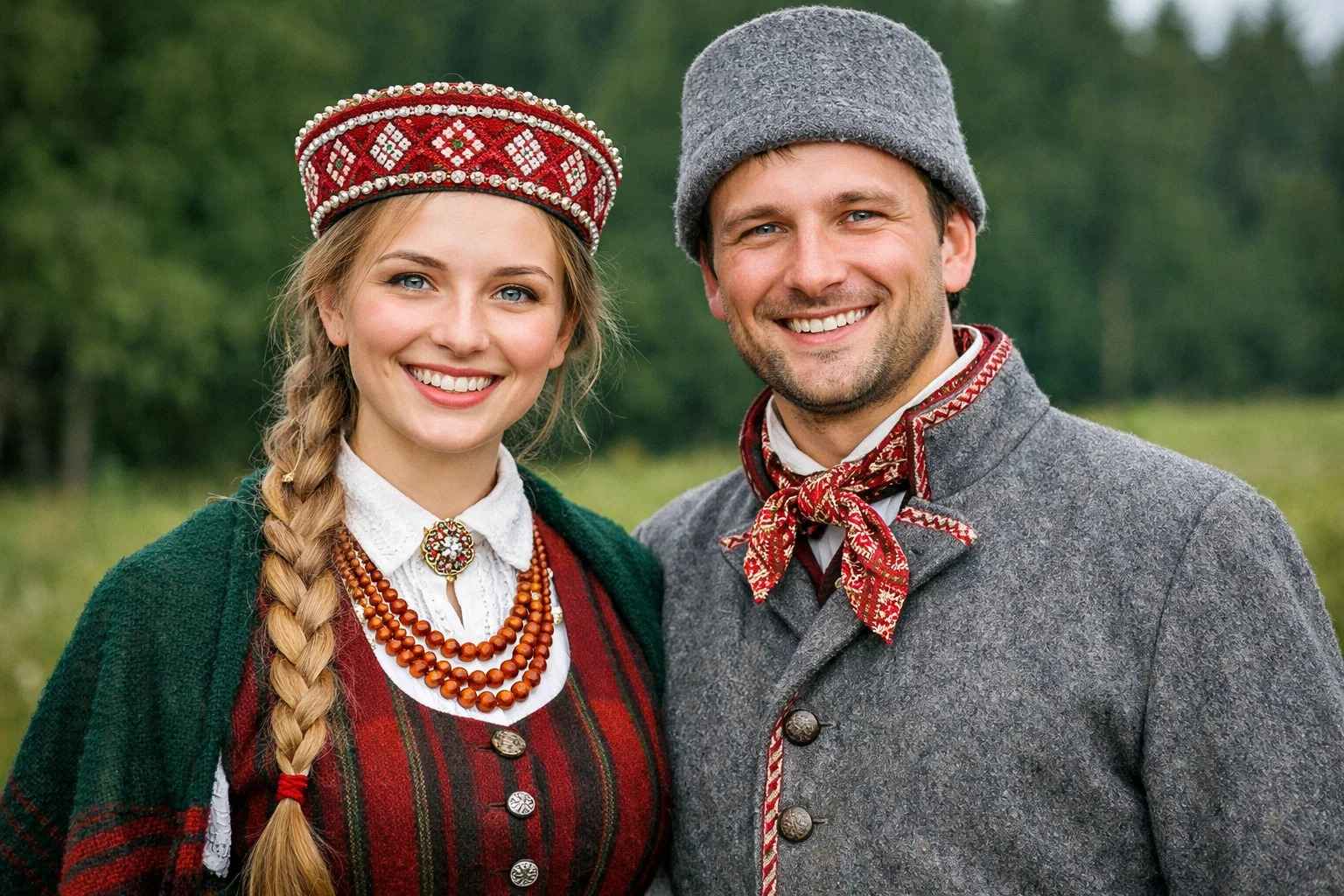
One of the most visually striking expressions of Latvian culture is its traditional dress and symbolic motifs — elements that carry deep cultural meaning and reflect centuries of history, craftsmanship, and regional identity. These cultural artifacts are more than just costumes; they convey stories of heritage, unity, and pride that visitors will notice during major celebrations, festivals, and cultural events on Latvia tours.
Latvian Folk Costumes — A Living Cultural Expression
Latvian traditional clothing, known as tautastērps in the Latvian language, represents one of the most cherished symbols of national identity. These outfits are still worn today during festivals, folk events, dance performances, and major national celebrations such as the Latvian Song and Dance Festival or Midsummer’s Jāņi.
Regional Diversity
Latvia’s rich cultural heritage includes a wide variety of traditional costumes, with distinct designs tied to different regions:
- Vidzeme: Known for its bright, multicolored striped skirts and intricately woven shawls that showcase vibrant patterns and craftsmanship.
- Kurzeme: Traditional attire from this western region often features strong contrasting colors and heavy use of amber ornaments and ornate metal belts, reflecting historic trade and coastal influences.
- Zemgale and Latgale: These areas often display elegant striped or checked skirts and richly embroidered elements, with Latgale’s pieces notable for their detailed cross-stitching and religious symbolism.
Each costume is handcrafted from natural materials like linen and wool and often decorated with symbolic embroidery that reflects local beliefs and historical motifs.
Iconic Components of Traditional Dress
Linen blouses and embroidered shirts: Often worn under colorful, patterned skirts.
Josta (woven sashes): Hand-woven belts or sashes are not only decorative but also deeply symbolic — in some regions they are believed to offer protection and express age-old motifs connected to nature and ancestral lore.
Headwear: Unmarried women traditionally wear flower or beaded crowns (vainags) — especially at midsummer — while married women wear elaborate woven or white fabric head coverings. Men typically wear traditional felt hats, often decorated with ribbons or oak leaves during festivals.
Shawls, brooches, and jewelry: These often accompany the costume, adding both aesthetic depth and cultural symbolism, such as representing life stages or regional identity.
- Saktas (large silver brooches). These are the most important pieces of jewelry used to fasten the shawls (villaines). They are often huge and circular, encrusted with stones.
Traditional dress was once everyday wear for many rural Latvians, but today it is primarily worn at special occasions, cultural ceremonies, and festivals — making it a powerful visual expression of Latvian identity and heritage.
The Lielvārde Belt — Symbol Beyond Clothing
One of the most iconic symbols in Latvian culture is the Lielvārde sash, a specific type of josta with complex red and white patterns. These geometric designs are not random; they carry symbolic meanings associated with natural forces, protection, and ancient mythology.
National Iconography: The Lielvārde belt is so significant that its motifs have been incorporated into modern Latvian passports and national branding, reinforcing the connection between personal identity and cultural heritage.
Coded Knowledge: Weaving these belts used to be a lifelong skill passed down through generations, and the patterns were thought to convey coded ancestral knowledge tied to the “World Tree” and the cycles of nature.
This sash has evolved from a regional accessory into a national symbol of Latvianness, representing unity and continuity across time — something every visitor will appreciate when exploring traditional motifs in folk costumes, handicrafts, and even modern Latvian design.
Ancient Symbols and Pagan Signs
Beyond the clothing itself, Latvians use a “language” of geometric signs that date back thousands of years. You will see these on everything from knitwear to modern architecture:
The Austra Tree (Austras koks): The “Tree of Light” representing the path of the sun and the connection between the past, present, and future.
The Sign of Māra (Māras zīme): A zigzag or triangle representing the Earth Mother, used to bring protection and blessing to the home.
The Sign of Laima (Laimas slotiņa): A “broom” shape symbolizing the goddess of luck and destiny.
Other Key Cultural Symbols
Amber (Dzintars): Often called “Baltic Gold,” amber is the national gem. It is believed to have protective properties and has been used in Latvian jewelry since the Stone Age.
Namejs Ring: This braided silver ring symbolizes independence, friendship, and unity. According to legend, it was first made so the ancient Semigallian people could identify one another in battle and stay loyal to their leader, Namejs.
National Flag: The carmine-red and white design is among the oldest in the world. Legend tells of a wounded leader wrapped in a white sheet; his blood stained the edges, leaving the white stripe where he lay—a symbol of bravery and sacrifice for the land.
Oak and Linden Trees: These are the national trees. The Oak represents masculine strength, while the Linden represents feminine grace. This duality is central to Latvian folk songs and seasonal rituals.
These symbols appear in art, architecture, public celebrations, and national ceremonies throughout the country, reinforcing a collective cultural narrative rooted in history and resilience.
Read More: Things To Do In Cesis, Latvia (Travel Guide)

Understanding religion and spirituality is a key part of appreciating Latvian culture — it reveals how history, nature, and belief intersect to shape values, traditions, and community life across the country. Latvia is a place where ancient spiritual heritage and modern religious practice coexist, often in unexpected and meaningful ways that enhance Latvia vacations and guided tours by offering deeper cultural context.
Christianity: Historic Roots and Modern Practice
Christianity is the most prevalent religion in Latvia, having arrived in the region during the medieval period. While Latvia is statistically one of the most secular countries in Europe—with roughly 35% to 40% of the population identifying as non-religious—Christianity remains a cornerstone of national identity and architecture.
Lutheranism: The most dominant denomination, especially in central and northern Latvia. It is historically tied to the Reformation and German influence.
Roman Catholicism: Strongest in the southeast (Latgale). The Basilica of Aglona is the most important Catholic site in the country, drawing thousands of pilgrims every August.
Orthodox Christianity: Has a significant presence, particularly among ethnic Russian communities in Riga and eastern Latvia.
The Old Believers (Vecticībnieki): Latvia is home to a unique and historically significant community of Old Believers who fled Russia in the 17th century. Their distinct wooden prayer houses, particularly in the Latgale region, are a vital part of the spiritual landscape.
Jewish Heritage: Before WWII, Latvia had a vibrant Jewish community. Today, the Peitav Synagogue in Riga stands as a beautiful testament to this heritage and the country’s religious pluralism.
Christian holidays such as Christmas (Ziemassvētki) and Easter (Lieldienas) are widely observed and reflect both spiritual heritage and cultural celebration. During Christmas, for example, many Latvians decorate trees, attend church services, and share meals with family — traditions that blend spiritual observance with festive custom.
Despite this strong historical influence, Latvia is also one of the least religious countries in Europe, with a significant percentage of the population identifying as non-religious or not actively practicing any faith.
Pagan Heritage and Cultural Spirituality
Religion in Latvia cannot be understood without acknowledging the deep legacy of ancient Baltic beliefs. Long before Christianity, the indigenous people of Latvia practiced spiritual systems centered on the sacredness of nature, seasonal cycles, and reverence for natural forces — traditions that have left an enduring imprint on the national psyche.
These early beliefs were animistic in nature, meaning that natural objects such as forests, springs, hills, and stones were considered alive with spiritual presence or meaning. This worldview did not disappear with Christianization; it became interwoven with later religious practices and survives today in festivals, folk customs, and symbolic traditions.
Dievturība: Revival of Indigenous Faith
In the 20th century, a modern movement called Dievturība emerged among Latvians seeking to revive pre-Christian spiritual traditions. The name itself reflects a worldview centered on Dievs — a primary divine principle — and draws inspiration from ancient Latvian folklore and mythological figures such as Māra (associated with the earth and fertility) and Laima (goddess of fate).
While only a small minority of Latvians practice Dievturība formally, many people embrace its principles and symbols as part of cultural identity rather than formal religion — something visitors may notice in seasonal celebrations and folk traditions.
Syncretism: Where Pagan and Christian Worlds Meet
One of the most fascinating features of Latvian spiritual life is the syncretism between pagan heritage and Christian practices. Many cultural traditions and festivals blend elements of both: for example, the midsummer celebration of Jāņi (Līgo) has pagan origins related to the sun and fertility but is now widely celebrated across the country regardless of individual religious affiliation.
In rural communities, even Christian church celebrations can incorporate older customs. In parts of Latvia like Alsunga and Mazirbe, church rituals are often followed by nature-based rituals honoring ancestors and local spirits — a testament to how spiritual practices evolved and intertwined over centuries.
Spiritual Beliefs Beyond Organized Religion
Although formal religious adherence might be relatively low compared to many European countries, spirituality still plays an important role in Latvian cultural life:
Connection with nature is a central element of spiritual expression, seen in seasonal festivals, solstice rituals, and outdoor celebrations that emphasize harmony with the environment.
Folk symbolism, including sacred trees, animals, and mythological figures like Auseklis and Laima, reflects an enduring sense of spiritual meaning tied to the land itself.
Some contemporary Latvians explore spirituality through meditation, wellness practices, or reinterpretations of folk magic and ancestral rites, showing that spiritual identity is multi-faceted and evolving.
Tolerance and Pluralism
Latvia’s constitution guarantees freedom of religion and separation of church and state, allowing multiple religious communities to coexist peacefully. Designated religious groups have certain rights — such as teaching in public schools and performing weddings — yet no single religion holds official status, reflecting the country’s pluralistic spiritual landscape.
This openness allows travelers to witness religious diversity firsthand — from historic Lutheran and Catholic churches in Riga and regional towns to quieter Orthodox chapels and the cultural echoes of ancient rites in rural festivals.
Read More: The Best Things to Do in Kuldiga, Latvia (Ultimate Guide for 2026)

Food is an essential window into Latvian culture, reflecting its history, climate, and local resources. Traditional Latvian cuisine emphasizes fresh, seasonal ingredients such as rye, potatoes, cabbage, dairy, fish, and locally foraged items like mushrooms and berries. Staples include hearty rye bread, piragi (bacon-filled pastries), smoked fish, and dairy-rich dishes — all of which reveal the practical, nature-connected lifestyle of Latvians over the centuries.
While food is a central part of culture, we’ve created a dedicated blog focusing entirely on Latvian cuisine, including traditional dishes, modern interpretations, and must-try foods during your visit. Check out our comprehensive guide to Latvian food.
