

A seven-day trip through Lithuania, Latvia, and Estonia typically costs about €450–€650 per person on a careful budget, €800–€1,200 for a comfortable midrange trip, or €1,450–€2,200 for a higher-comfort holiday. These estimates assume one traveler sharing a double room, six nights in the region, and time in Vilnius, Riga, and Tallinn. International flights are not included.
The biggest variables are accommodation, travel dates, and how often you eat in sit-down restaurants. The Baltic states use the euro, which makes budgeting simpler, but prices are not identical: Tallinn and peak-season dates can cost more than a similar stay in Vilnius. Treat these numbers as planning ranges, not fixed quotes, and check current prices before booking.
A realistic 7-day Baltic trip cost breakdown
For a fair comparison, the table below estimates a one-week route across all three capitals, with six overnight stays and two intercity coach journeys. It includes a modest allowance for sightseeing and everyday extras, but not flights, travel insurance, shopping splurges, or private tours.
Expense | Budget traveler | Midrange traveler | Comfort-focused traveler |
Accommodation (6 nights, per person sharing) | €150–€240 | €300–€480 | €600–€1,050 |
Food and drinks | €105–€150 | €175–€280 | €315–€490 |
Local public transport | €15–€30 | €20–€40 | €25–€55 |
Intercity coaches (2 legs) | €30–€50 | €35–€60 | €45–€80 |
Attractions and activities | €35–€70 | €70–€140 | €140–€250 |
Small extras and contingency | €30–€60 | €50–€100 | €100–€200 |
Estimated total per person | €365–€600 | €650–€1,100 | €1,225–€2,125 |
These line items can land below or above the headline ranges depending on dates and choices. For a realistic buffer, add 10–15% to your own subtotal. Accommodation estimates assume sharing a room; solo travelers paying for a private room should budget more.
1. Accommodation: the biggest budget decision
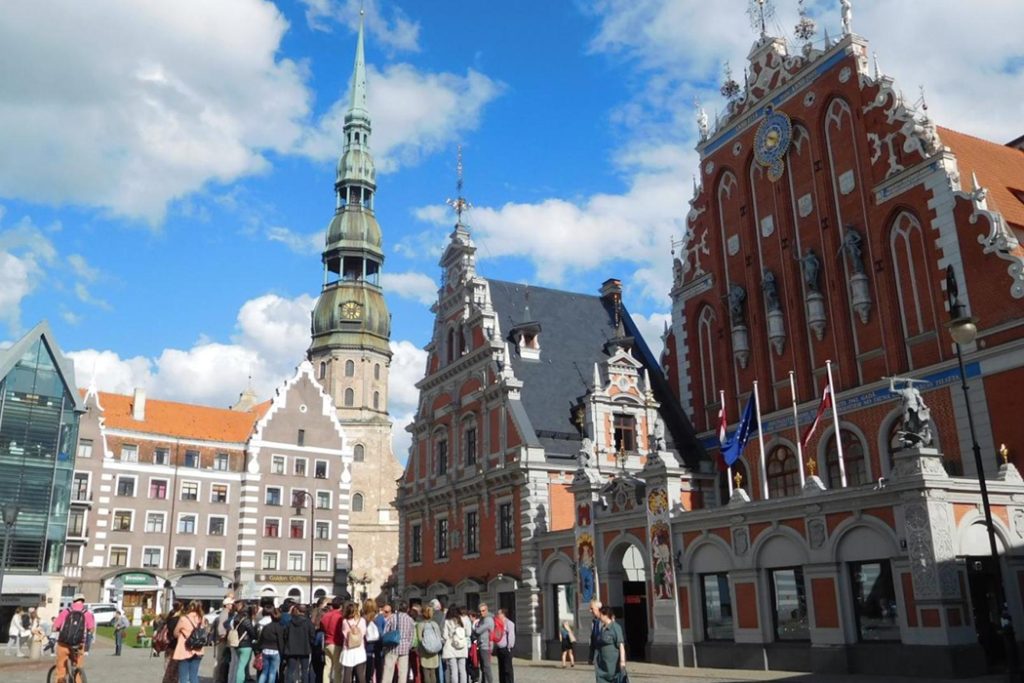
For six nights, a hostel dorm or simple guesthouse can keep the lodging bill relatively low, while a well-located midrange hotel raises the total quickly. Private rooms in central areas usually cost more on summer weekends, during festivals, and around major events. Tallinn is often the priciest of the three capitals in peak season, so compare the full trip rather than assuming each city will cost the same.
A useful saving strategy is to stay just outside the Old Town or main tourist core, but near a reliable bus or tram stop. Check whether the room includes breakfast, whether taxes are included, and whether late check-in costs extra. A low nightly rate can be less attractive if it requires expensive taxis or long journeys each day.
2. Food and drinks: mix cafés with local meals
A budget-conscious traveler can combine supermarket breakfasts, bakery snacks, market stalls, and inexpensive lunch specials. For a midrange trip, plan for café breakfasts, casual lunches, and a sit-down dinner most days. Restaurants, cocktails, specialty coffee, and dining in the most tourist-heavy streets can push spending upward.
Rather than setting one strict meal price for all three countries, look at menus near your accommodation and decide how many restaurant meals matter to you. Markets such as Hales Market in Vilnius can be interesting places to browse local food, but do not assume every stall is cheaper than a supermarket or casual restaurant.
3. Getting between Vilnius, Riga, and Tallinn
For a seven-day, three-capital itinerary, intercity coaches are often the easiest option. A typical plan has two long-distance journeys: Vilnius to Riga, then Riga to Tallinn—or the reverse. As a planning estimate, allow roughly €15–€25 per leg when booked sensibly, though prices vary by date, operator, departure time, and seat availability. Book early if your dates are fixed and compare journey duration as well as fare.
Seven days is enough to sample all three capitals, but moving cities takes time. A simple structure is two nights in Vilnius, two in Riga, and two in Tallinn, with the seventh day used for departure or an extra night depending on your flight. If you want countryside, the Curonian Spit, or Gauja National Park, consider adding days instead of squeezing another destination into the same week.
4. Local transportation and sightseeing
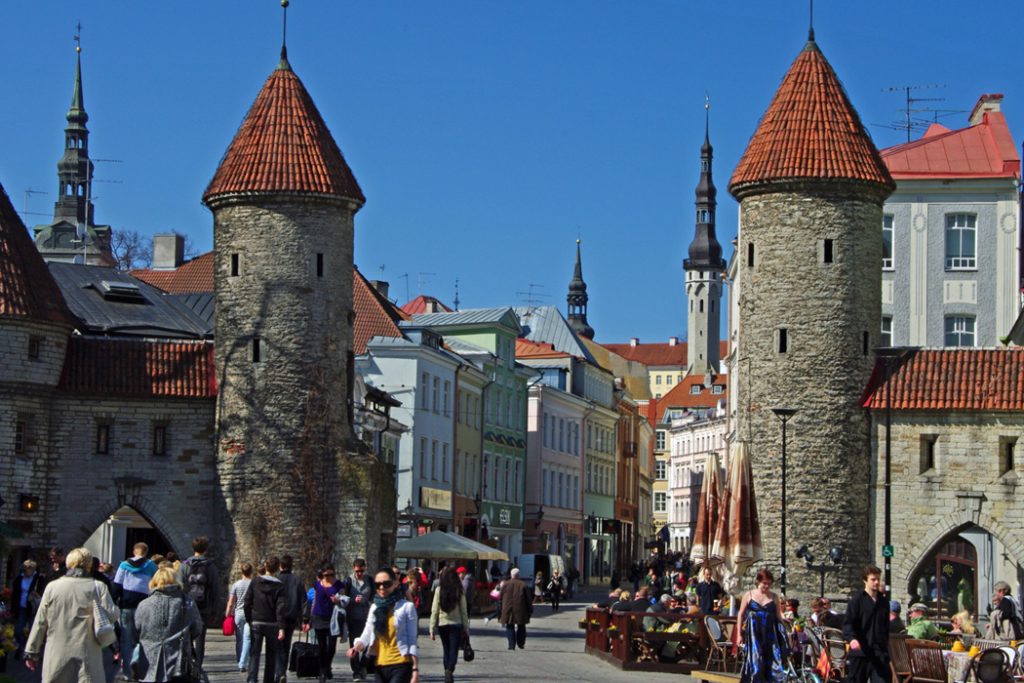
All three capitals have local public transportation, but the best-value ticket depends on how much you ride. If you are staying centrally and exploring on foot, a few single tickets may be enough. If your hotel is outside the center or you plan to visit several districts, compare day passes and multi-ride options on the official city transport sites.
Budget for a mix of free and paid sights. Walking through historic centers, visiting parks, and exploring waterfront areas can fill much of a day without admission fees. Paid museums, tower viewpoints, guided tours, and special exhibitions add up, so choose a few priority attractions instead of paying for every available experience. Check opening days and ticket prices on the venue’s official website.
5. Extra costs travelers often forget
- Airport transfers: local bus or train fares are usually cheaper than a taxi or ride-hailing trip.
- Checked baggage and seat fees: low-cost airline fares may not include the bag you expect.
- Travel insurance and roaming: check your policy and mobile plan before departure.
- Laundry, luggage storage, and early check-in: useful on a short itinerary but not always free.
- Coffee, snacks, bottled water, souvenirs, and public toilets: small purchases can accumulate over seven days.
- Currency or card fees: all three countries use the euro, but your bank may charge foreign transaction fees.
- Seasonal price changes: summer, weekends, festivals, and major events can increase accommodation costs.
How to keep the trip affordable without missing out
- Book accommodation and intercity transport early when traveling in summer.
- Stay near public transport rather than paying extra for a central address you do not need.
- Plan one or two paid attractions per city and fill the rest of the day with walks and free sights.
- Use a daily spending target, then keep a separate buffer for unexpected costs.
- Check official transport and attraction sites shortly before travel; old price lists can be out of date.
Frequently Asked Questions
Is €1,000 enough for a 7-day Baltic trip?
It can be enough for one person if you share accommodation, book intercity coaches early, eat a mix of inexpensive and casual meals, and limit costly tours. It may not cover international flights or a private room every night.
Is Lithuania cheaper than Latvia and Estonia?
Lithuania can be less expensive for some accommodation and dining choices, but prices vary by neighborhood, season, and travel style. Compare actual dates and lodging options rather than applying one fixed country-wide percentage.
What is the cheapest way to travel between the Baltic capitals?
Intercity coaches are often a practical low-cost choice. Compare operators, departure times, luggage rules, and arrival locations before buying.
Does this budget include flights?
No. The estimate covers six nights, meals, local transport, two intercity coach legs, attractions, and modest extras. Add flights from your departure city, insurance, and any baggage fees separately.
Should I visit all three Baltic capitals in seven days?
Yes, if your priority is seeing Vilnius, Riga, and Tallinn. Expect two intercity travel days and a quick introduction to each city. If you prefer day trips or a slower pace, focus on two capitals or extend the trip.
The Bottom Line
For a one-week trip through Vilnius, Riga, and Tallinn, a sensible target is around €800–€1,200 per person for a comfortable but not luxurious holiday, excluding international flights. You can spend less by sharing a room, using coaches, and mixing free sights with a few paid attractions; you can spend much more with central hotels, frequent restaurant dinners, and guided experiences. Build your budget from actual travel dates, add a contingency, and verify current fares before booking.
