


Planning a trip to Estonia? Before wandering through Tallinn’s medieval streets, exploring Tartu’s university quarter, or escaping into the country’s forests and coastal landscapes, consider getting to know Estonia through its literature.
Books offer something a travel guide cannot always provide: a glimpse into how people understand their homeland, remember its history, preserve their traditions, and respond to change. Estonian literature is particularly rewarding in this respect. Its stories explore national identity, occupation, independence, folklore, rural life, and the relationship between people and nature.
For English-speaking visitors from the United States and Canada, there is a growing selection of Estonian books available in translation, alongside accessible English-language histories and cultural works.
Whether you enjoy historical fiction, contemporary novels, mythology, or nonfiction, these ten books can help you see Estonia from a more informed perspective before you arrive.
Why Read Estonian Books Before Visiting?
Estonia is a small country with a remarkably layered history. Its location on the eastern coast of the Baltic Sea has shaped centuries of cultural exchange, political conflict, and changing borders. Danish, German, Swedish, and Russian influences have all left their mark, while Estonians have maintained a distinct language, cultural identity, and sense of national belonging.
Understanding this background can make a visit more meaningful.
For example, Tallinn’s Old Town is not simply a collection of attractive medieval buildings. It reflects the city’s position within the historic trading networks of northern Europe. Tartu is more than a university city: it has played an important role in Estonian intellectual and cultural life. And the country’s forests are not merely scenic landscapes; they occupy a significant place in Estonian folklore and national imagination.
Literature helps bring these connections to life.
The books below cover different periods and perspectives. Some are classics that explore Estonia’s historical experience, while others introduce readers to contemporary voices, traditional storytelling, and the country’s natural environment.
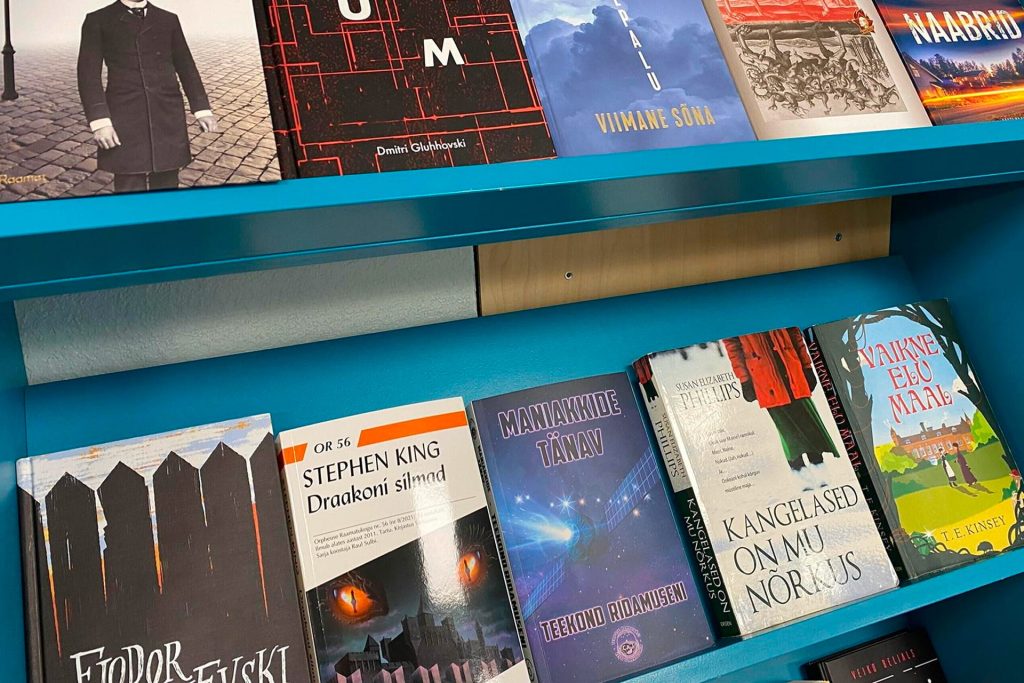
10 Best Estonian Books to Read Before Your Trip
1. The Czar’s Madman by Jaan Kross
Best for: Readers interested in Estonian history and historical fiction.
If you want to understand how political power, personal freedom, and national identity intersect in Estonian literature, The Czar’s Madman is an excellent place to begin.
Written by Jaan Kross, one of Estonia’s most internationally recognised authors, the novel is set in the early nineteenth century. It follows Timotheus von Bock, a Baltic German nobleman and military officer who becomes known for his criticism of Tsar Alexander I. His outspoken views lead to imprisonment and a reputation for madness.
The story explores the consequences of challenging an authoritarian political system. Through von Bock’s experiences, Kross examines the difficult relationship between individual conscience, loyalty, social position, and political authority.
Although the novel is historical fiction rather than a straightforward account of Estonian history, it provides valuable context for understanding the region’s past under imperial rule.
Why read it before visiting Estonia?
It encourages readers to look beyond the country’s present-day independence and consider the longer history behind its political identity. As you explore Tallinn’s historic centre, museums, and monuments, the novel may give you a greater appreciation of the different powers and cultural influences that shaped the region.
The English translation was produced by Anselm Hollo, making this an accessible choice for international readers interested in Estonian literature.
2. Estonia: A Modern History by Neil Taylor
Best for: First-time visitors who want a clear historical introduction.
Not every traveller enjoys historical fiction. If you prefer a structured explanation of a country’s past, Neil Taylor’s Estonia: A Modern History is a practical addition to your pre-trip reading list.
The book follows Estonia’s journey through centuries of foreign rule, national awakening, independence, occupation during the Second World War, Soviet control, and the restoration of independence in 1991.
It also explores the country’s development after independence and the transformation of modern Estonia.
This historical background is particularly useful because many of the places visitors encounter have connections to events that may not be immediately visible. Buildings, memorials, museums, and public spaces can carry meanings that become clearer when you understand the political and social changes Estonia has experienced.
Why read it before visiting Estonia?
It provides a foundation for understanding the country’s historical landmarks. Rather than seeing Estonia’s past as a collection of unrelated events, readers can follow the broader story of how the modern republic developed.
The third edition was published by Hurst Publishers in 2025, making it a useful option for travellers looking for an updated English-language overview.
If you are planning to explore several destinations, this book can also help you appreciate the differences between Tallinn, Tartu, and smaller towns throughout the country.
3. The Man Who Spoke Snakish by Andrus Kivirähk
Best for: Fantasy lovers and readers interested in folklore.
What happens when an old way of life gradually disappears?
That question lies at the centre of Andrus Kivirähk’s imaginative novel The Man Who Spoke Snakish.
The story follows Leemet, a young man growing up in a forest community where people speak a mysterious language known as Snakish. As more members of his community leave the forest and adopt village life, Leemet finds himself caught between tradition and change.
The novel blends fantasy, mythology, humour, and cultural reflection. Its fictional world includes unusual creatures, strange customs, and supernatural elements, but its central themes are recognisably human.
It considers what happens when traditional knowledge is lost, how communities respond to modernisation, and whether older ways of living can survive changing circumstances.
Why read it before visiting Estonia?
Estonia’s forests are an important part of its cultural imagination. The country has extensive woodland landscapes, and nature features prominently in traditional stories and contemporary ideas about national identity.
The novel is not a factual guide to Estonian folklore, and its fantasy elements should not be treated as literal representations of traditional beliefs. Nevertheless, it offers an entertaining way to think about the relationship between people, nature, and cultural memory.
Christopher Moseley translated the book into English, so international readers can experience Kivirähk’s distinctive storytelling without needing to know Estonian.
4. Deep in the Forest: One Hundred Estonian Fairy Tales About the Forest and Its People, compiled by Risto Järv
Best for: Folklore enthusiasts, nature lovers, and readers who enjoy short stories.
For a more direct introduction to Estonian traditional storytelling, try Deep in the Forest.
Compiled by folklorist Risto Järv and translated by Adam Cullen, this collection brings together one hundred Estonian fairy tales connected to forests and the people, animals, and supernatural beings associated with them.
The stories explore a variety of themes, including encounters with mysterious creatures, human relationships with animals, traditional beliefs, and the importance of the natural world.
One appealing feature of a collection like this is that readers do not need to work through a long narrative. You can read a few stories at a time and gradually become familiar with the imaginative world of Estonian folklore.
Why read it before visiting Estonia?
Forests are an important part of the country’s landscape and cultural identity. Reading these stories before visiting can make walks through wooded areas feel more connected to the traditions and stories associated with them.
The collection also offers a different perspective from conventional travel books. Instead of explaining where to go, it introduces some of the cultural ideas that can shape how visitors experience the countryside.
It is suitable for adults as well as younger readers, making it a good option for families preparing for a Baltic holiday.
5. Truth and Justice: Andres and Pearu by A. H. Tammsaare
Best for: Readers interested in classic literature and traditional rural life.
A discussion of important Estonian literature would be incomplete without A. H. Tammsaare.
His five-volume literary work Truth and Justice is considered one of the major achievements of Estonian literature. The first volume, commonly known in English as Truth and Justice: Andres and Pearu, introduces readers to rural life through the experiences of two neighbouring farmers.
The story explores land, work, ambition, family relationships, personal conflict, and the difficult search for a meaningful life.
Rather than presenting rural Estonia as an idealised place, Tammsaare portrays the challenges and contradictions of everyday existence. His characters struggle with practical responsibilities, personal pride, and competing ideas about what it means to live well.
The first volume is particularly useful for readers interested in understanding the social history of Estonia beyond its cities.
Why read it before visiting Estonia?
Modern Estonia has developed into a highly connected European country, but its rural heritage remains an important part of its identity.
If your trip includes smaller towns, countryside accommodation, or excursions beyond Tallinn, this novel can help you appreciate the historical experiences that shaped rural communities.
The English edition of the first volume was translated by Inna Feldbach and Alan Peter Trei. Readers should note that this is the first volume of a much larger work, not a translation of the complete five-volume series.
6. Silverwhite: The Journey to the Fallen Sun by Lennart Meri
Best for: Curious travellers interested in ancient history, geography, and cultural connections.
Written by Lennart Meri, an influential Estonian writer, filmmaker, and former president, Silverwhite: The Journey to the Fallen Sun is one of the more unusual choices on this list.
Originally published in Estonian in 1976, the book combines historical investigation, travel writing, geography, classical sources, and poetic interpretation.
Meri explores the ancient idea of Thule, a mysterious northern land described in classical accounts, and examines its possible connections with the Baltic region. The work also considers the historical relationships between northern European peoples and civilisations around the Mediterranean and beyond.
It is not a conventional history textbook. Meri combines documented material with imaginative interpretation, creating a work that moves between scholarship, travel writing, and literary storytelling.
Why read it before visiting Estonia?
The book offers a broader perspective on Estonia’s place in European history. Rather than treating the country as an isolated destination, it explores the ways different peoples, ideas, and geographical regions have influenced one another.
It is especially relevant if your itinerary includes Saaremaa, Estonia’s largest island. The island plays an important role in the book’s discussion of ancient history and the proposed location of the legendary cosmic impact associated with the region.
The English edition, translated by Adam Cullen, was published by Hurst Publishers in 2025. It is a particularly interesting option for travellers who enjoy exploring the connections between history, geography, and mythology.
7. Burning Cities by Kai Aareleid
Best for: Readers interested in Tartu and life in Soviet-era Estonia.
If you plan to visit Tartu, Kai Aareleid’s Burning Cities deserves a place on your reading list.
The novel follows Tiina, a young girl growing up in post-Second World War Estonia. Through her memories and family experiences, the story gradually reveals the atmosphere of Soviet-era life.
Tartu is central to the narrative. The city had suffered extensive destruction during the Second World War and subsequently underwent significant rebuilding and transformation.
Rather than focusing exclusively on political events, Aareleid presents history through ordinary family experiences. Childhood memories, relationships, secrets, and personal tragedies unfold against the wider background of political control and social uncertainty.
This approach makes the novel especially effective at showing how large historical events affect everyday lives.
Why read it before visiting Estonia?
Tartu has a distinctive identity within Estonia. It is known for its university, cultural institutions, intellectual traditions, and historical significance.
Reading Burning Cities before visiting gives you another way to understand the city’s past. You may find yourself looking at its streets and buildings with greater awareness of the destruction, reconstruction, and personal histories that shaped them.
The English translation by Adam Cullen was published by Peter Owen Publishers in 2018.
For travellers planning to spend time in Tartu, this is one of the most directly relevant literary recommendations on the list.
8. The Beauty of History by Viivi Luik
Best for: Readers who enjoy reflective literary fiction and twentieth-century European history.
Viivi Luik’s The Beauty of History is a thoughtful novel set against the political atmosphere of the late 1960s.
The story follows a young Estonian woman who becomes involved with a sculptor in Riga during the period of the Prague Spring. Personal relationships and artistic interests develop alongside the political tensions of the time.
Although the novel is not limited to Estonia, it offers insight into the experience of living in the Baltic region during the Soviet period.
Luik explores how political systems influence private lives, artistic expression, personal freedom, and the way individuals understand the world around them.
The writing is reflective rather than action-driven, making it particularly suitable for readers who enjoy literary fiction with historical and psychological depth.
Why read it before visiting Estonia?
Estonia’s history cannot be fully understood without considering the wider Baltic region.
The novel provides a useful perspective on the shared historical experiences of Estonia, Latvia, and neighbouring countries during the Soviet era. It can therefore be especially rewarding if you are planning a multi-country Baltic trip.
Translated into English by Hildi Hawkins, the book is published by Norvik Press.
9. The Misadventures of the New Satan by A. H. Tammsaare
Best for: Readers who enjoy satire, folklore, and unusual literary fiction.
If Truth and Justice sounds too demanding, consider another work by Tammsaare: The Misadventures of the New Satan.
This novel takes a very different approach to questions of morality and human behaviour.
Satan is given an unusual challenge: he must live as a human being and demonstrate that people are capable of living decent lives. He takes the form of Jürka, a hardworking farmer who encounters the injustices, greed, and hypocrisy of rural society.
The premise allows Tammsaare to combine humour, religious symbolism, mythology, and social criticism.
Beneath its comic elements, the novel explores serious questions about fairness, exploitation, human responsibility, and the difference between moral ideals and everyday behaviour.
Why read it before visiting Estonia?
The book offers another perspective on rural Estonian society, particularly the social inequalities and traditional attitudes that shaped earlier generations.
It also demonstrates how Estonian literature can draw on folklore and religious themes while questioning established social structures.
The English edition is available through Norvik Press, with translation work by Olga Shartze and Christopher Moseley.
For readers who enjoy literary satire, this may be a more approachable introduction to Tammsaare than beginning with the full Truth and Justice series.
10. Take Six: Six Estonian Women Writers
Best for: Readers who want to discover contemporary Estonian voices.
A reading list should not focus exclusively on historical novels and classic authors. Contemporary writing is equally important for understanding how a country sees itself today.
Take Six: Six Estonian Women Writers brings together short stories by six Estonian writers: Aino Pervik, Piret Raud, Kätlin Kaldmaa, Mudlum, Lilli Luuk, and Aliis Aalmann.
The collection covers a variety of themes, including family life, relationships, humour, the supernatural, growing up, and reflections on the past.
Because it includes several authors, it provides a broader introduction to contemporary Estonian storytelling than a single-author collection might.
Short stories also make it easy to read in stages. You can explore different voices and styles without committing to a long novel.
Why read it before visiting Estonia?
Reading contemporary Estonian writers helps balance the historical perspective offered by older classics.
It introduces readers to modern literary concerns and a wider range of experiences. It also reminds visitors that Estonian culture is not simply a collection of historical traditions: it is constantly evolving.
The English-language collection is published by Dedalus, making it a useful choice for readers looking to explore Estonian writing beyond the country’s best-known literary classics.
Which Estonian Book Should You Read First?
With ten different recommendations, choosing where to begin depends on what interests you most.
Here is a simple guide:
| If you enjoy… | Start with… |
|---|---|
| Historical fiction | The Czar’s Madman |
| A general history of Estonia | Estonia: A Modern History |
| Fantasy and mythology | The Man Who Spoke Snakish |
| Folklore and nature | Deep in the Forest |
| Classic literature | Truth and Justice |
| Ancient history and geography | Silverwhite |
| Tartu and Soviet-era history | Burning Cities |
| Reflective literary fiction | The Beauty of History |
| Satire and social criticism | The Misadventures of the New Satan |
| Contemporary short stories | Take Six |
If this is your first visit to Estonia, a particularly useful combination would be Estonia: A Modern History, The Czar’s Madman, and Deep in the Forest.
Together, they offer three different perspectives: the country’s historical development, its literary treatment of political power, and its traditional relationship with nature and folklore.
Where to Find Estonian Books in English
Finding Estonian literature in English may require a little more searching than buying a bestselling American or Canadian novel.
However, several resources can make the process easier.
- The Estonian Literature Centre
The Estonian Literature Centre is one of the best places to discover Estonian authors, literary works, translations, and publishers.
Its resources can help you explore books beyond this list and identify works that have been translated into English.
- Online bookstores
For readers in the United States and Canada, international online retailers and independent bookstores may stock English-language editions of Estonian works.
Try searching by the book’s title, author, and translator. This is particularly useful for older translations or titles published by smaller independent presses.
- University and public libraries
University libraries and larger public library systems can be valuable resources for literature in translation.
If a particular title is difficult to find for purchase, check library catalogues before assuming it is unavailable.
- Specialist publishers
Publishers such as Norvik Press, Hurst Publishers, and Peter Owen Publishers have helped bring Estonian literature and history to English-speaking readers.
Their catalogues are worth exploring if you want to discover more books about Estonia and the wider Baltic region.
One important point: an English translation may be available in a different format or through a specialist retailer rather than a major bookstore. Check the edition, translator, and publication details before ordering.
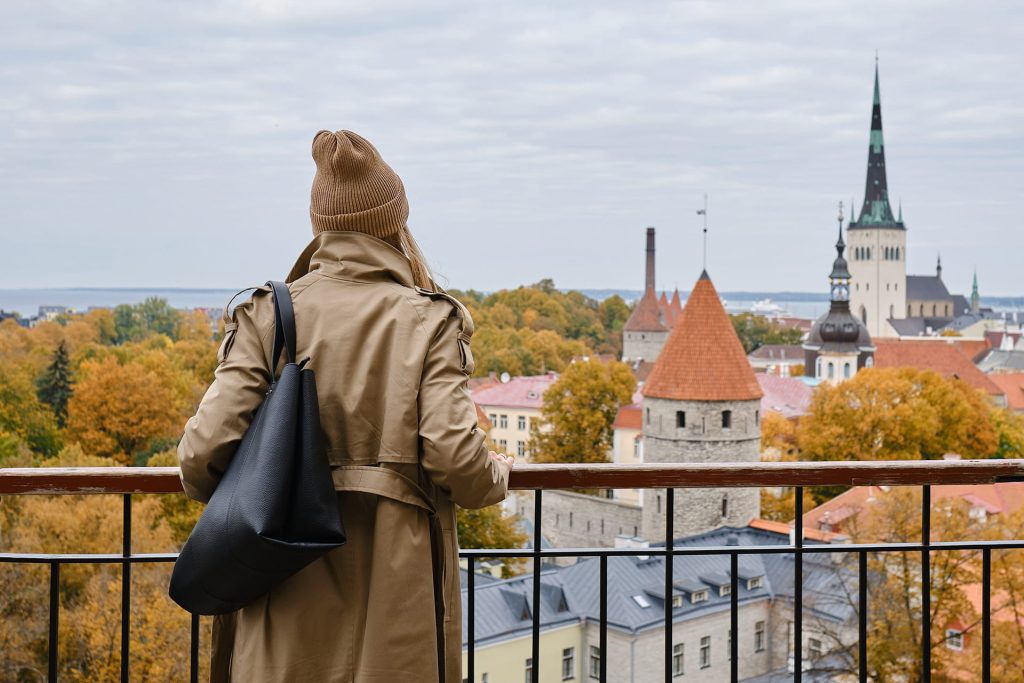
Places to Explore in Estonia After Reading These Books
Reading about Estonia becomes even more rewarding when you can connect its stories and historical background with real places.
Here are a few destinations to consider when planning your trip.
Tallinn: Experience Estonia’s Historic Capital
<Insert internal link: Explore Estonia’s culture and traditions.>
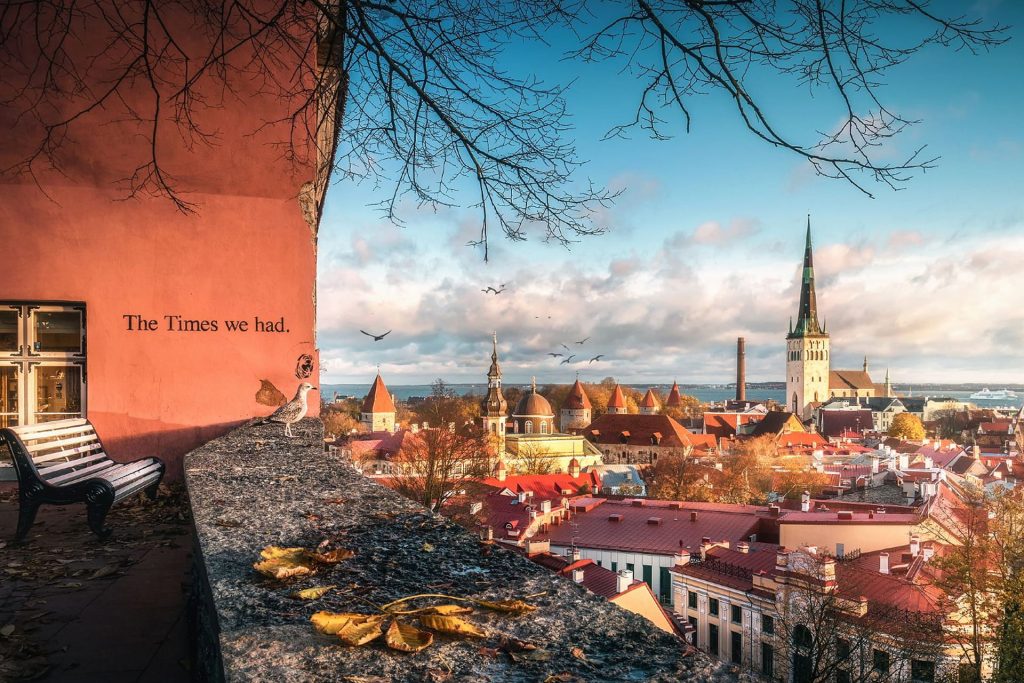
Tallinn is an excellent starting point for understanding Estonia’s historical identity.
Its medieval Old Town, historic streets, museums, and architectural landmarks reflect centuries of trade, political change, and cultural exchange.
After reading Jaan Kross, you may find yourself more interested in the historical layers behind the city’s architecture and public spaces.
Allow time to explore beyond the main tourist streets, too. Different neighbourhoods reveal different aspects of Tallinn’s development.
Tartu: Discover Estonia’s Intellectual and Literary Heritage
<Insert internal link: Read the Tartu Estonia Travel Guide.>
Tartu is particularly rewarding for readers interested in Estonian literature and history.
The city is home to the University of Tartu and has long been associated with education, research, and cultural life.
Reading Burning Cities before arriving can provide a deeper appreciation of the city’s twentieth-century experiences, while its university district offers a glimpse into its continuing intellectual identity.
Saaremaa: Explore Estonia’s Island Landscapes
Saaremaa offers a different experience from the country’s larger cities.
Known for its coastal scenery, historic sites, villages, and natural landscapes, the island is an appealing destination for travellers interested in a slower pace of exploration.
It also has an interesting connection to Lennart Meri’s Silverwhite, which explores ancient history and the island’s place in wider historical narratives.
Estonia’s Countryside: Experience the Importance of Nature
If The Man Who Spoke Snakish or Deep in the Forest has sparked your interest, consider spending time beyond the cities.
Estonia’s forests, wetlands, islands, and rural landscapes offer opportunities to experience the natural environment that features so prominently in its literature and folklore.
A countryside excursion can provide a different perspective on the country, especially for visitors whose itineraries would otherwise focus entirely on Tallinn.
Turn Your Reading List into a Real Estonia Experience
Books can introduce you to Estonia’s history, literature, and traditions, but visiting the country allows you to experience its character directly.
You can walk through Tallinn’s historic streets, explore Tartu’s cultural institutions, discover Saaremaa’s landscapes, and experience the natural environments that have inspired generations of Estonian storytellers.
If you are planning a trip, consider exploring the options available through Vytis Tours.
With Estonia as part of a wider Baltic journey, you can also discover the connections between Estonian culture and its neighbours, Latvia and Lithuania.
Whether you are interested in history, architecture, nature, or local traditions, a thoughtfully planned trip can turn the ideas you encountered in books into memorable experiences.
Frequently Asked Questions
1. The Estonian Literature Centre
Some excellent choices include The Czar’s Madman by Jaan Kross, Estonia: A Modern History by Neil Taylor, The Man Who Spoke Snakish by Andrus Kivirähk, and Deep in the Forest compiled by Risto Järv.
Together, these books introduce readers to Estonian history, literature, folklore, and the country’s relationship with nature.
2. Which Estonian authors are translated into English?
Several important Estonian authors have works available in English translation. These include Jaan Kross, A. H. Tammsaare, Andrus Kivirähk, Viivi Luik, Kai Aareleid, and Lennart Meri.
The Estonian Literature Centre is a useful resource for discovering additional authors and checking translation information.
3. What is the most famous Estonian novel?
H. Tammsaare’s five-volume Truth and Justice is widely regarded as one of the most important works of Estonian literature.
Jaan Kross is also internationally recognised, particularly for historical novels such as The Czar’s Madman.
4. Are Estonian books available in English?
Yes. A selection of Estonian novels, history books, folklore collections, and contemporary literary works has been translated into English.
Availability varies by title, publisher, and edition, so readers should check specialist publishers, international bookstores, and library catalogues.
5. Which book is best for understanding Estonian history?
For a general introduction, Neil Taylor’s Estonia: A Modern History is a strong choice.
Readers who prefer historical fiction can begin with Jaan Kross’s The Czar’s Madman, which explores political authority and personal freedom through a historical narrative.
6. What books help visitors understand Estonian culture?
Deep in the Forest is a good introduction to traditional storytelling and folklore, while The Man Who Spoke Snakish explores themes connected with nature, cultural memory, and changing traditions.
For a broader perspective, Take Six: Six Estonian Women Writers introduces readers to contemporary Estonian literary voices.
7. Is The Man Who Spoke Snakish based on Estonian folklore?
The novel draws inspiration from themes associated with Estonian folklore, mythology, and traditional relationships with nature. However, it is a work of fantasy fiction rather than a collection of authentic folk tales.
Readers interested in traditional stories themselves should also explore Deep in the Forest: One Hundred Estonian Fairy Tales About the Forest and Its People.
Final thought: You do not need to read every book on this list before travelling to Estonia. Even one or two carefully chosen titles can make a difference. A little literary preparation can help you understand the country’s history, appreciate its traditions, and notice details you might otherwise overlook as you explore the Baltic region.
