


Imagine spending a day exploring Estonia’s historic streets, forests, or coastline before arriving at a traditional wooden sauna. Outside, the air is cool. Inside, a wood-burning stove gradually warms the room, and the gentle sound of water meeting hot stones signals the beginning of a familiar ritual for many Estonians.
For a first-time visitor, however, the experience can bring a few questions. Should you wear a swimsuit? Is it normal to enter without clothing? How hot should the sauna be? Can you pour water onto the stones yourself? And what exactly is the birch whisk that appears in so many descriptions of Estonian sauna culture?
These questions are perfectly reasonable. Sauna bathing is an important part of life in Estonia, but its customs may be unfamiliar to travellers from countries where saunas are mainly associated with hotels, gyms, or wellness centres.
The good news is that you do not need previous experience to enjoy an Estonian sauna. Understanding a few basic customs, respecting the people sharing the space, and following your host’s instructions will help you feel comfortable.
This guide explains what first-time visitors should know, from clothing expectations and traditional rituals to practical etiquette and the differences between modern spa facilities and countryside smoke saunas.
Understanding Estonian Sauna Culture
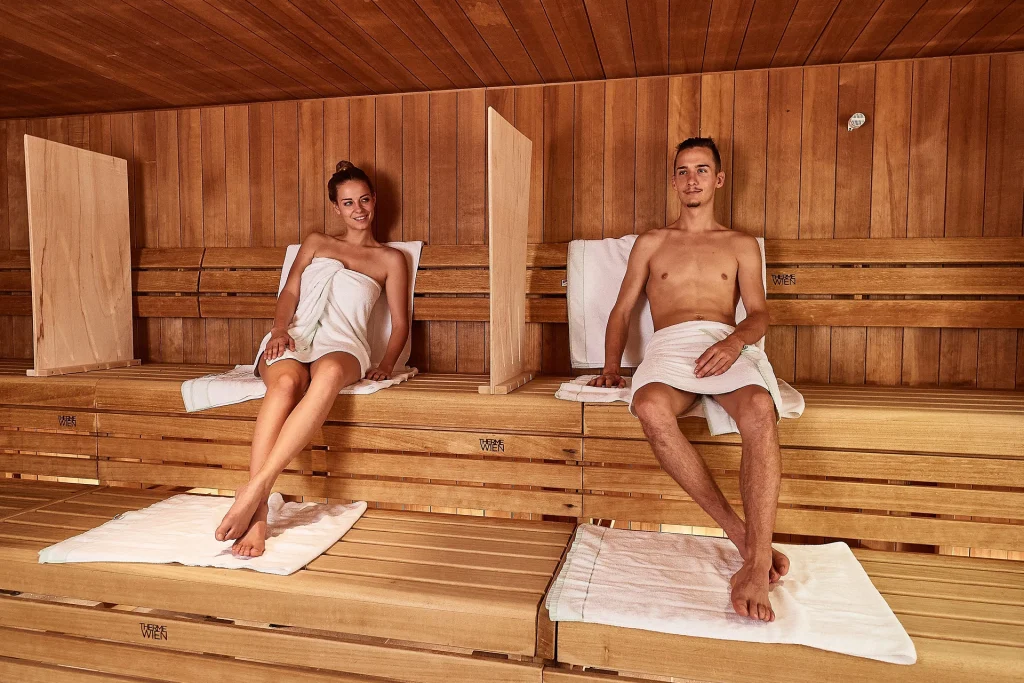
In Estonia, a sauna is much more than a heated room. It is a place associated with relaxation, family traditions, social connection, and time away from everyday responsibilities.
For generations, sauna bathing has been part of life in Estonian homes and rural communities. Families have traditionally used saunas to unwind, spend time together, and maintain customs passed between generations.
The experience can be particularly different from what international visitors expect. Rather than treating the sauna as a quick wellness activity, many Estonians approach it as an occasion that deserves time and attention.
A traditional sauna evening may involve several stages: warming up, sitting quietly in the heat, enjoying the steam, cooling down outside, and returning for another session. Conversations may take place naturally, but the atmosphere is often relaxed rather than energetic.
The Cultural Importance of the Smoke Sauna
One of Estonia’s most distinctive sauna traditions is the smoke sauna, particularly associated with the Võromaa region in southeastern Estonia.
Unlike a conventional modern sauna, a traditional smoke sauna is heated using a wood-burning stove without a conventional chimney. Smoke circulates inside the room during the heating process before the sauna is ventilated. The stones retain heat, and the interior develops its characteristic darkened appearance over time.
The smoke sauna tradition in Võromaa was added to UNESCO’s Representative List of the Intangible Cultural Heritage of Humanity in 2014.
This recognition reflects more than the physical structure of the sauna. The tradition includes the knowledge, customs, community practices, and rituals associated with using and maintaining these spaces.
For visitors, experiencing a smoke sauna with a knowledgeable local host can provide a deeper understanding of Estonian culture. It is important, however, to remember that smoke sauna traditions are not identical to the rules of every modern sauna in the country.
You can learn more about this cultural heritage through UNESCO’s description of the smoke sauna tradition in Võromaa.
What Should You Wear in an Estonian Sauna?
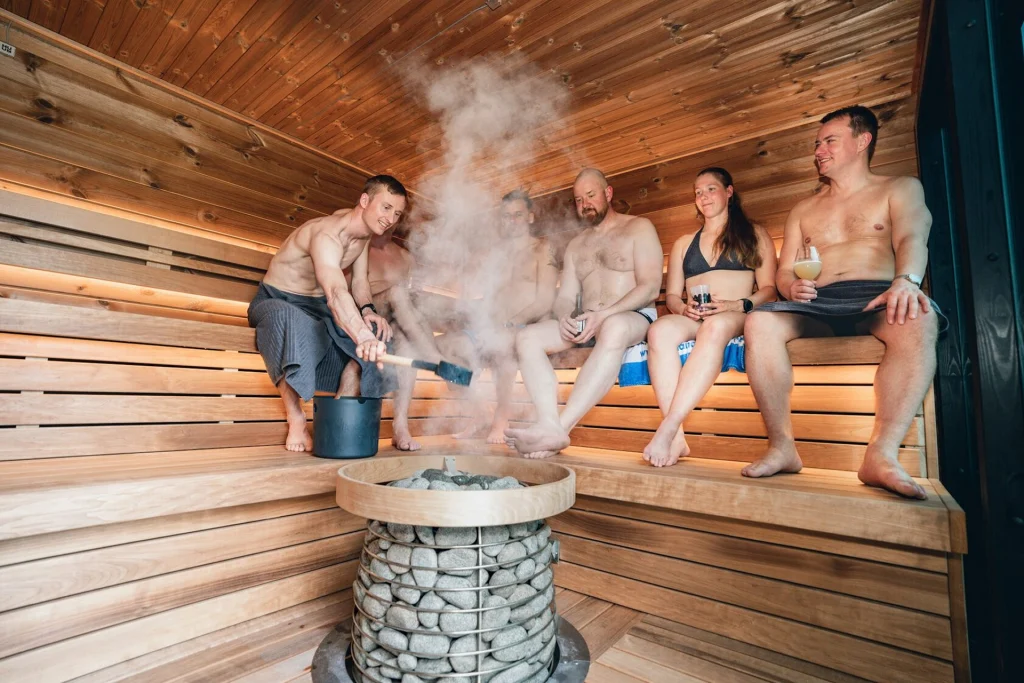
This is often the first question international visitors ask, and the answer depends on the type of sauna you are visiting. There is no single dress code that applies to every sauna in Estonia. Private countryside saunas, public facilities, hotel spas, and mixed-gender wellness areas can have different expectations.
Traditional Private Saunas
In some traditional private sauna settings, bathing without clothing is customary. This can be especially true when the sauna is used by family members or a familiar group. However, visitors should never assume that nudity is compulsory. If you are invited to a private sauna, ask your host what is appropriate. A respectful host will generally be happy to explain the expectations.
If you feel more comfortable wearing a swimsuit or covering yourself with a towel, discuss this beforehand rather than feeling pressured to follow a custom you are unfamiliar with.
Public Saunas and Hotel Spas
Public sauna facilities and hotel wellness areas may have their own rules. Some facilities have separate areas for men and women, while others offer mixed-gender sauna spaces. Swimwear may be required in certain locations, while other facilities may request that guests use towels or follow a different dress policy.
Before entering, check the signs or ask a member of staff. Do not assume that the rules of one Estonian sauna will apply to another.
Should You Bring a Towel?
Yes. A towel is one of the most useful items to have with you. In many sauna settings, visitors sit or lie on a towel or sauna sheet to maintain hygiene and protect the benches from direct contact with the body. Some facilities provide towels, while others expect guests to bring or rent them. Check before your visit.
The simplest rule: Wear what the venue permits and what makes you comfortable. Respecting the host’s instructions is more important than trying to imitate someone else’s sauna routine.
The Etiquette Rules Every First-Time Visitor Should Know
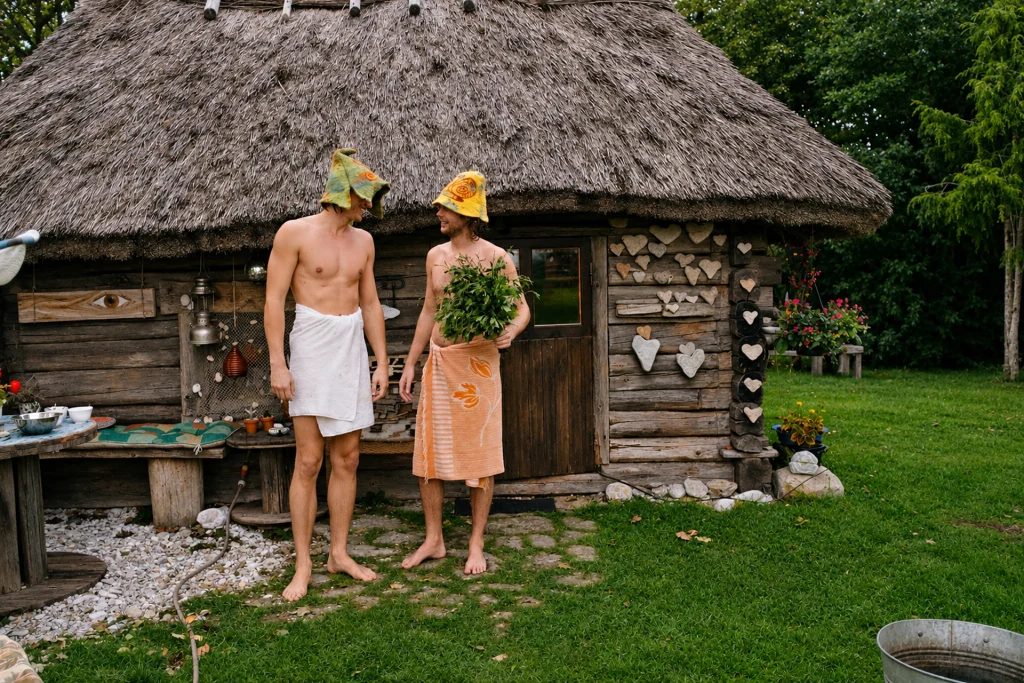
Once you understand the clothing expectations, the rest of sauna etiquette is relatively straightforward. Most customs are based on cleanliness, consideration, and respect for other people.
Here are the habits worth remembering.
1. Shower Before Entering
Always shower before entering a shared sauna unless your host or facility provides different instructions.
This is a basic hygiene practice, particularly in public and hotel spa environments. Rinsing beforehand helps keep the sauna clean and makes the experience more pleasant for everyone.
If you have been walking around the city or spending the day outdoors, take a moment to wash away sweat, dust, and other impurities before entering.
2. Sit on a Towel or Sauna Sheet
Avoid sitting directly on the wooden benches with your bare skin.
Place a towel or sauna sheet underneath you. This is a simple way to maintain cleanliness and protect the seating area.
If you are using a public facility, follow its specific instructions about towels and seating.
3. Respect Personal Space
A sauna is usually a shared environment where people expect a certain degree of privacy and comfort.
Avoid sitting too close to other guests when there is enough room to spread out. Do not stare at people or make unnecessary comments about their appearance.
If the sauna is crowded, be considerate when choosing a place to sit.
This is especially important for international visitors who may be unfamiliar with the more relaxed clothing customs found in some traditional sauna environments.
4. Keep Conversations Considerate
Sauna conversations are often relaxed and informal. Friends and families may talk, while other visitors prefer to enjoy the heat quietly.
Pay attention to the atmosphere. If everyone is speaking softly, avoid turning the sauna into a loud conversation space.
Similarly, do not assume that every visitor wants to socialise. Giving others the freedom to enjoy the experience in their own way is part of good etiquette.
5. Ask Before Adding Water to the Stones
One of the most important sauna customs concerns leil, the steam created when water is poured over heated stones.
Adding water increases the humidity and changes how the heat feels. Even a small amount can make the room feel considerably warmer.
In a private sauna, ask your host before adding water. In a shared sauna, check whether guests are comfortable with it or whether staff manage the process.
Avoid pouring large quantities onto the stones. More steam does not automatically mean a better experience.
6. Leave Your Phone Outside
A sauna is generally a place to disconnect, not to scroll through social media or take photographs.
Heat and humidity can damage electronic devices, and photographing other guests without permission is a serious breach of privacy.
Leave your phone in a locker or a safe, cool location outside the sauna.
If you want photographs of the building or surroundings, take them in areas where photography is permitted and avoid including other visitors without their consent.
7. Respect Other People’s Comfort Levels
Not everyone enjoys the same temperature or amount of steam.
Some experienced sauna users may prefer a hotter environment, while first-time visitors may need a gentler experience.
Do not pressure anyone to remain inside longer, tolerate additional heat, use a birch whisk, or enter cold water.
Everyone should be able to enjoy the experience at a comfortable pace.
What Are Leil and Viht?
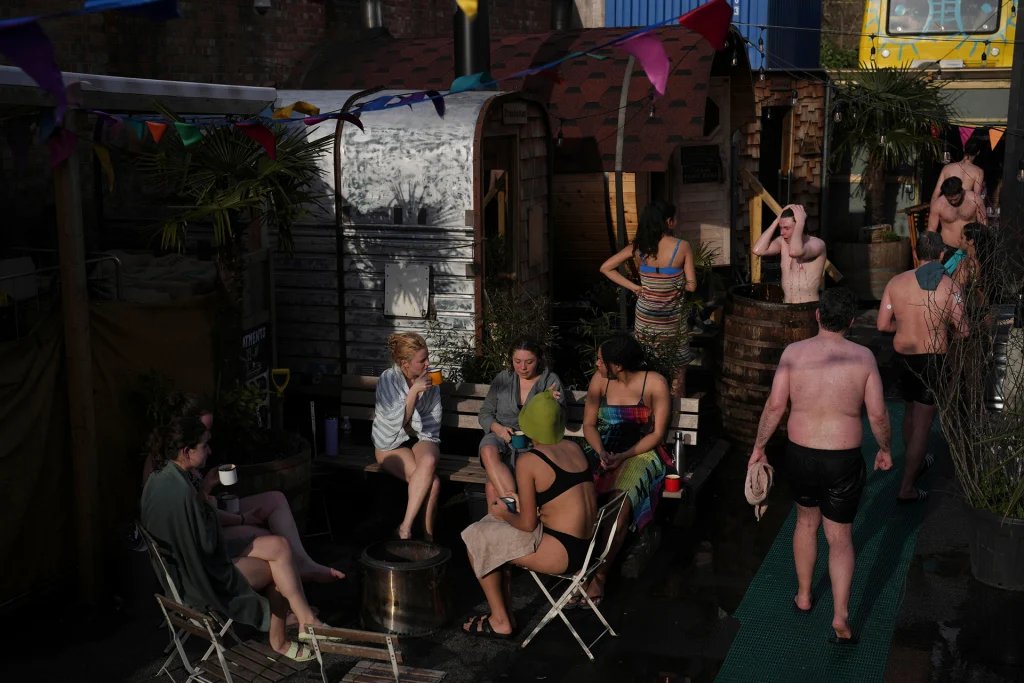
Two words that frequently appear in descriptions of Estonian sauna culture are leil and viht. Understanding them will help you appreciate the experience beyond simply sitting in a warm room.
Leil: The Steam at the Heart of the Sauna
Leil refers to the steam produced when water is poured over the hot stones of a sauna stove. As the water evaporates, humidity rises and the sensation of heat changes. This creates the distinctive atmosphere associated with traditional wood-fired sauna bathing. The amount of water used matters. A little can create a pleasant wave of steam, while too much may make the room uncomfortable, particularly for people who are not accustomed to the heat.
If you are visiting with a host, let them guide you through this part of the experience.
Viht: The Traditional Birch Whisk
A viht is a traditional whisk made from leafy branches, commonly birch. It is used gently against the skin during sauna bathing. The practice is part of the sensory experience of a traditional sauna. The leaves release a fresh, natural fragrance, while the gentle movement of the branches creates a distinctive sensation. Birch is particularly associated with sauna traditions, although other branches may also be used depending on local customs and availability.
First-time visitors should not feel that they must try whisking immediately. Watch your host or ask them to demonstrate how it is done. If you decide to participate, use gentle movements and avoid striking the skin forcefully. Never use a whisk on someone else without their permission. The traditional practice is intended to be part of a relaxing sauna experience, not an endurance test.
How a Traditional Estonian Sauna Session Works
There is no universal timetable for a traditional Estonian sauna session. The length and order of activities depend on the host, the type of sauna, and individual preferences.
However, many experiences follow a general pattern.
Step 1: Prepare and Get Comfortable
Begin by showering and preparing the items you need. Depending on the setting, this may include a towel, drinking water, and suitable footwear for moving between the sauna and outdoor areas. If you are visiting a private sauna, your host may explain how the stove works and where you should leave your belongings.
Take a moment to understand the arrangements before entering.
Step 2: Start with a Comfortable Period in the Heat
Do not try to match the time or temperature preferred by experienced sauna users. Enter when you are ready, choose a comfortable position, and allow yourself time to adjust. If the heat feels too intense, leave and cool down. You do not need to stay inside for a particular number of minutes to enjoy the experience.
Step 3: Experience the Leil
If the sauna uses a wood-fired stove, your host may add water to the stones to create leil. Notice how the atmosphere changes as the steam spreads through the room. The sensation may be different from that of a dry electric sauna.
If you are sensitive to heat, let your host know before additional water is added.
Step 4: Cool Down Between Sessions
Cooling down is an important part of many sauna experiences. Depending on the location and season, visitors may step outside, sit in a resting area, or take a refreshing shower. In countryside settings, a nearby lake may be used for swimming. During winter, some experienced sauna users enjoy brief cold-water dips or other forms of outdoor cooling.
These activities are optional. First-time visitors should choose a method that feels comfortable and safe.
Step 5: Rest and Hydrate
After spending time in the heat, take a break. Drink water, sit down, and allow your body to cool naturally. Some traditional sauna evenings involve several rounds of heating and cooling, but you do not have to complete multiple sessions.
The aim is to enjoy the experience, not to prove how long you can tolerate high temperatures.
Traditional Smoke Sauna vs. Modern Spa Sauna
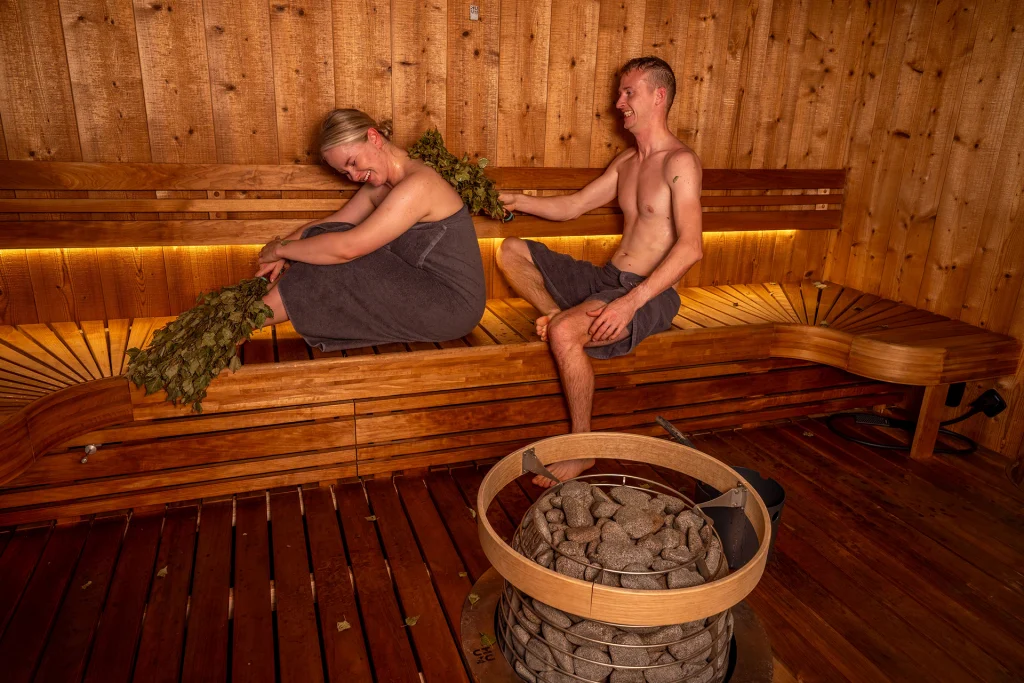
Not every sauna experience in Estonia looks the same. Understanding the differences can help you choose an environment that matches your interests and comfort level.
| Feature | Traditional smoke sauna | Modern spa sauna |
|---|---|---|
| Heating method | Wood-fired stove without a conventional chimney during heating | Often electric or modern wood-fired heating |
| Atmosphere | Rustic, traditional, and closely connected to local heritage | Contemporary wellness environment |
| Cultural role | Family, community, and regional traditions | Relaxation and leisure |
| Setting | Often rural or countryside locations | Hotels, spas, and public wellness facilities |
| Clothing | Depends on the host and private setting | Governed by the facility’s dress code |
| Additional rituals | May include traditional whisking and cooling practices | May offer different wellness treatments |
| Visitor experience | Often hosted and more traditional | Usually structured around facility services |
A smoke sauna is particularly interesting for travellers who want to learn about Estonia’s cultural heritage. A modern spa sauna may be a more convenient introduction for someone who prefers familiar facilities and clearly displayed rules.
Neither experience is automatically better. They simply offer different ways to enjoy Estonian sauna culture.
Common Mistakes First-Time Visitors Should Avoid
Most sauna etiquette mistakes happen because visitors are unfamiliar with the customs. A little preparation can prevent awkward situations.
Assuming every sauna requires nudity: Clothing rules vary. Ask your host or check the facility’s policy before entering.
Entering without showering: Cleanliness is an important part of shared sauna use. Always follow the venue’s hygiene instructions.
Pouring too much water onto the stones: Adding water changes the humidity and perceived heat. Be considerate of everyone in the room.
Trying to tolerate excessive heat: There is no achievement in staying longer than you feel comfortable. Leave if you feel unwell, dizzy, nauseated, or excessively uncomfortable.
Taking photographs without permission: Privacy matters. Never photograph other guests without their explicit consent.
Using a birch whisk without understanding the custom: Watch first, ask questions, and participate only if you are comfortable.
Treating the sauna like a party: Some sauna experiences are social, but loud behaviour, disruptive conversations, and excessive noise may disturb other guests.
Drinking alcohol to enhance the experience: Alcohol and high heat are a poor combination. Avoid alcohol before and during sauna bathing, and make water your preferred drink
Where Can You Experience Sauna Culture in Estonia?
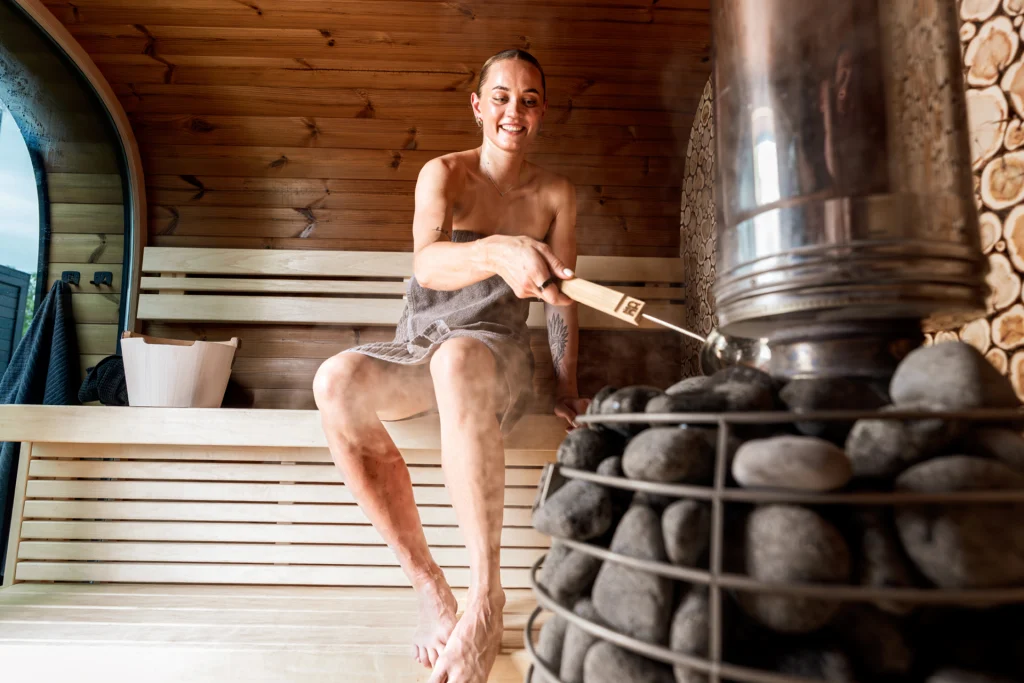
One of the appealing aspects of travelling through Estonia is that sauna experiences are not limited to one city or type of accommodation.
From contemporary wellness facilities in Tallinn to traditional countryside saunas in southern Estonia, visitors can find different ways to discover the custom.
Tallinn: A Convenient Introduction
Tallinn is a practical place to experience sauna culture for the first time.
The city has public sauna facilities, wellness centres, and accommodation options that may include sauna access. These settings can be particularly convenient for travellers who want to combine sightseeing with a relaxing evening.
If you are staying in Tallinn, check the rules of your chosen facility before booking. Some offer separate sauna areas, while others have mixed-gender arrangements or specific swimwear requirements.
You can explore more visitor ideas through Visit Tallinn’s guide to public saunas.
South Estonia: Discovering the Smoke Sauna Tradition
For a more traditional cultural experience, consider exploring South Estonia, particularly the Võromaa region.
This is where the smoke sauna tradition has a particularly strong connection to local identity and community life.
A hosted experience can introduce visitors to the heating process, traditional practices, and the cultural meaning of the sauna.
Because smoke saunas require particular knowledge and preparation, it is best to arrange a visit with an experienced local host rather than treating one like an ordinary self-service spa.
Countryside and Lakeside Saunas
Outside the larger cities, saunas are often associated with nature and rural accommodation.
Some countryside properties offer private wooden saunas, while others provide access to lakeside settings where visitors can cool down between sessions.
These experiences can be especially memorable during autumn and winter, when the contrast between a warm sauna and the cool outdoor environment becomes part of the atmosphere.
However, outdoor swimming and cold-water dips are optional. Always consider local conditions, water safety, and your own comfort.
Making Sauna Culture Part of Your Estonia Holiday
A sauna experience can add a different dimension to an Estonian holiday. It offers a chance to slow down, learn about local traditions, and experience something that is closely connected to everyday life in the country.
It also fits naturally into a broader travel itinerary.
You might spend your first days exploring Tallinn’s medieval Old Town, visiting museums, and discovering its cafés before heading towards Estonia’s countryside. A sauna experience can then provide a contrast to the busy sightseeing schedule.
Travellers interested in nature can explore Estonia’s forests, coastal areas, national parks, and islands. Those with more time can include destinations beyond Tallinn to understand the country’s regional differences and cultural traditions.
For visitors planning a wider Baltic holiday, Estonia can also be combined with Latvia and Lithuania. Each country offers its own landscapes, architecture, history, and cultural experiences.
Vytis Tours provides a range of Estonia travel experiences for travellers interested in exploring the country’s destinations as part of a broader journey.
If you are considering a multi-country holiday, the Baltic Highlights 8-day itinerary offers a way to explore several destinations across the region. For a longer journey, the Baltic Capitals 10-day tour provides another option.
You can also browse the Vytis Tours travel blog for further inspiration when planning your Baltic adventure.
Before booking any sauna activity, confirm whether it is included in your accommodation or itinerary, whether advance reservations are required, and what clothing or equipment you should bring.
Frequently Asked Questions
Do you have to be naked in an Estonian sauna?
No. Nudity is customary in some traditional private sauna settings, but it is not a universal requirement. Public facilities, hotel spas, and mixed-gender saunas may have different clothing rules. Always follow the instructions of the venue or host.
Can tourists wear swimsuits in Estonian saunas?
In some facilities, yes. Other saunas may require towels or have different rules. Check the specific dress code before entering rather than assuming swimwear is permitted everywhere.
Are Estonian saunas mixed-gender?
Some are mixed-gender, while others have separate facilities for men and women. Private saunas may also have their own arrangements. Check the venue’s policy when making a reservation.
What does leil mean in Estonian sauna culture?
Leil is the steam created when water is poured over the hot stones of a sauna stove. It increases humidity and changes how the heat feels inside the sauna.
What is an Estonian viht?
What is an Estonian viht?
How long should a first-time visitor stay in an Estonian sauna?
Two to three nights can provide a good introduction to Tallinn’s historic centre, museums and surrounding neighborhoods. Travelers who want to explore additional attractions or take day trips around Estonia may prefer a longer stay.
Is the Estonian smoke sauna recognized by UNESCO?
Yes. The smoke sauna tradition in Võromaa was added to UNESCO’s Representative List of the Intangible Cultural Heritage of Humanity in 2014. The recognition celebrates the knowledge, customs, and community practices associated with the tradition.
Can visitors experience an Estonian sauna in winter?
Yes. Winter can be a memorable time to experience sauna culture, particularly in rural settings. Some saunas are located near lakes or outdoor cooling areas. However, cold-water swimming is optional, and visitors should consider their health, experience, and local safety conditions.
Should you bring your own towel to an Estonian sauna?
Yes. Winter can be a memorable time to experience sauna culture, particularly in rural settings. Some saunas are located near lakes or outdoor cooling areas. However, cold-water swimming is optional, and visitors should consider their health, experience, and local safety conditions.
Is alcohol traditionally part of the Estonian sauna experience?
Alcohol may be present in some social gatherings, but it is not necessary for enjoying a sauna. For safety, avoid drinking alcohol before or during sauna bathing. Drink water and take breaks instead.
Experience Estonia Beyond the Usual Sightseeing
Understanding Estonian sauna etiquette is about more than learning a list of rules. It is an opportunity to appreciate a cultural tradition that has remained meaningful across generations.
From the warmth of a wood-fired stove to the steam of leil and the fragrance of a birch whisk, the experience offers a different perspective on everyday Estonian life.
For first-time visitors, the most important things to remember are simple: respect the venue’s rules, maintain good hygiene, give other guests their personal space, and enjoy the experience at your own pace.
Whether you choose a modern sauna in Tallinn or a traditional smoke sauna in South Estonia, approaching the experience with curiosity and consideration will help make it a memorable part of your holiday.
Planning to discover more of Estonia and the Baltic States? Explore Vytis Tours’ Estonia travel experiences and start planning a journey that goes beyond the usual tourist attractions.
