

Estonia stands out as a unique country in Northern Europe because it blends old history with high-tech modern living. Many travelers are surprised to find a nation where historic castles exist alongside fast internet and advanced digital tools. These fun facts about Estonia will show you how this Baltic nation became an exciting place for international tourists. Learning about its vibrant cities and beautiful islands will help you plan an unforgettable travel experience.
Before exploring the details, you can look at this simple table to understand the basic facts about the country.
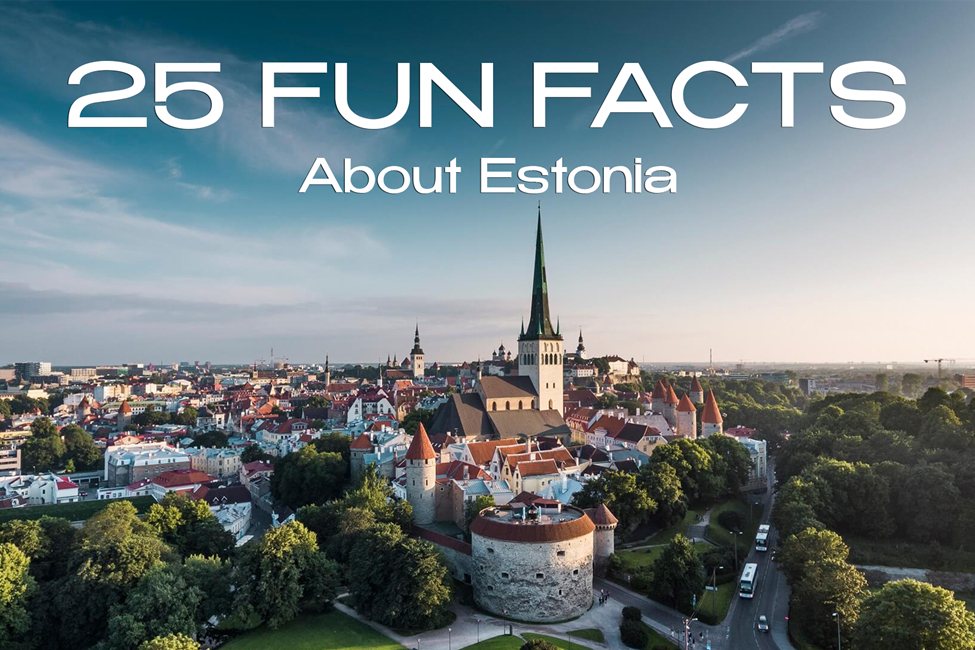
Estonia Travel Guide & Country Overview
Estonia Facts Category | Key Information About Estonia | Why It Matters for Travelers |
Country Name | Estonia (Baltic country in Northern Europe) | Known for digital innovation, forests, and scenic landscapes |
Capital City of Estonia | Tallinn | A historic UNESCO-listed city and top tourist destination |
Official Language of Estonia | Estonian | A unique language from the Finno-Ugric family |
Currency in Estonia | Euro (€) | Makes travel easy for EU visitors |
Estonia Population (2026) | Around 1.36 million people | One of Europe’s least crowded countries |
Famous Island in Estonia | Saaremaa | Popular for nature, windmills, and peaceful travel experiences |
Estonia Internet Domain | .ee | Used by Estonian websites and businesses |
1. People Handle Their Daily Public Tasks Completely Online
Official government records show that local residents can safely vote in national elections, sign legal papers, and file their taxes from home. This highly advanced digital system makes everyday public services fast, safe, and efficient for 99% of the population. Visitors traveling through the country will also enjoy reliable mobile networks and great internet coverage almost everywhere.
2. Tech Experts Built The Original Code For Skype Here
Historical industry data proves that local programmers working in Tallinn wrote the initial software that changed how people make video calls around the world. This massive global success inspired a major technology trend and attracted investments to the capital city. Today, international business studies show the nation supports an energetic community with more tech startup companies per person than most places in Europe.
3. There Are Thousands Of Scenic Islands To Explore
Geography studies confirm that the country features a long Baltic coastline that includes more than 2,222 unique islands. The largest islands still maintain their peaceful lifestyle, where you can see historic wooden windmills and quiet fishing villages. Travellers can easily book a cheap ferry boat ride from the mainland to explore these beautiful coastal areas.
4. Deep Green Forests Cover Half Of The Countryside
Environmental reports confirm that nature is highly valued by locals because wild trees cover about 50% of the total land area. The government enforces strict conservation laws to protect native wildlife and keep the air exceptionally clean. You can drive just a short distance from the busy capital city to find total peace in the quiet woods.
You can walk on nice wooden paths in the beautiful bogs.
5. You Can Walk Around A Real Space Crater Field
Geological research shows that scientists discovered a unique ancient crash site on the island of Saaremaa known as the Kaali Crater. A giant rock from outer space hit the ground here thousands of years ago with massive physical force. Today, environmental measurements show the main impact hole forms a perfectly round lake that serves as a fascinating spot for visiting tourists.
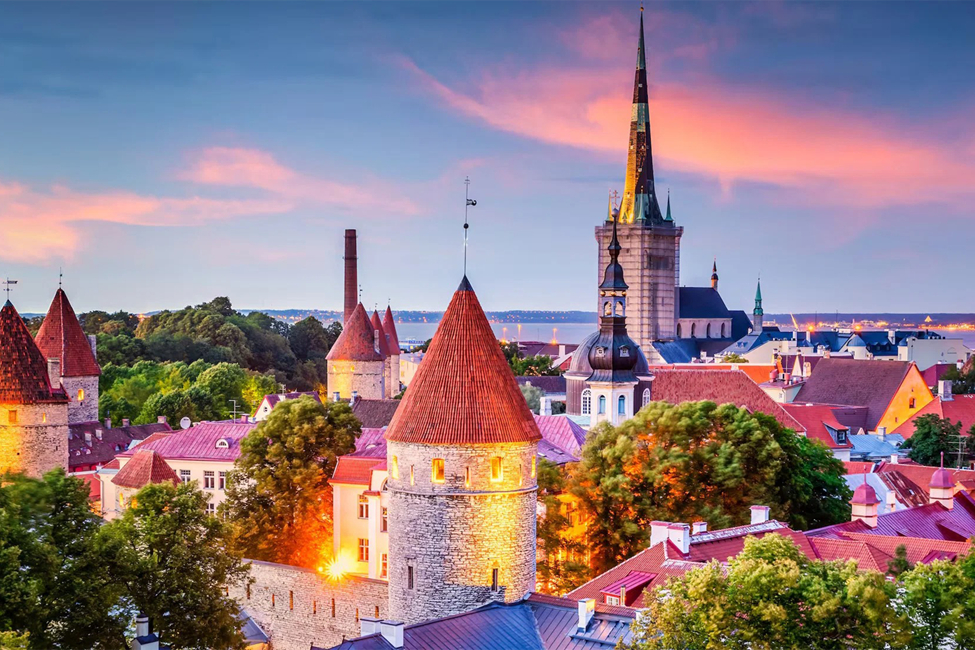
6. The Capital City Preserves A Medieval Old Town Area
Architectural history documents show that walking through the historic streets of Tallinn feels like stepping back into a medieval fairy tale. The massive stone walls, defensive towers, and grand Gothic churches have survived without damage for hundreds of years. Because this architecture is so rare, UNESCO protects the area as a valuable World Heritage site.
7. Saunas Are An Essential Weekly Tradition For Families
Cultural anthropology studies show that people across the nation love to relax their bodies and minds inside hot wooden sauna rooms. The unique smoke saunas in the southern villages are especially famous for their long cultural history. During the session, health observations show that locals gently tap their skin with leafy birch twigs to clean themselves and feel completely refreshed.
8. The Local Language Sounds Highly Musical To Foreigners
Linguistic research explains that words in the official language use long chains of vowels, which makes the spoken tongue sound like a beautiful song. It belongs to the Finno-Ugric language family, meaning it is closely related to Finnish but stands completely apart from neighbouring English or Slavic languages. A surprising detail for students is that language studies show the grammar has no future tense and uses no gendered pronouns.
9. Singing Helped The Nation Win Its Political Freedom
Historical records show that thousands of citizens gathered together peacefully to sing forbidden patriotic songs during the political changes of the late 1980s. This mass non-violent protest became famous across the globe as the “Singing Revolution”. This powerful musical movement successfully helped the country win back its national independence without any violent fighting.
10. Giant Choral Music Festivals Happen Every Five Years
Cultural records show that massive musical concerts take place on a spectacular outdoor stage built in the capital city of Tallinn. More than 30,000 professional singers stand in unison to perform traditional folk anthems together. Attendance data shows around 100,000 enthusiastic spectators travel here to watch the show and sing along with the choir.
11. Swinging Is Practised As A Competitive Adult Sport
Sports history shows that inventors created an adrenaline-filled modern sport called kiiking using giant, custom-built metal swings. Physics studies explain how participants securely tie their feet to the wooden seat so they can stay safe while moving. The ultimate goal of the sport is to use body weight to swing completely upside down in a full circle.
12. City Buses And Trams Are Free For Local Residents
Urban planning data shows that leaders decided to make all public transit free for registered residents of Tallinn to reduce traffic and air pollution. International transit reports show tourists still need to pay a small price for a transit card, but the entire system is clean and simple to use. It provides a very smart and eco-friendly way to move around the urban districts.
Trams make it very easy to move around the capital city.
13. Old Stories About Nature Spirits Are Still Alive Today
Folklore research shows that ancient mythology tells tales of magical energies and protector spirits that live inside local trees and large rocks. Social surveys show most modern citizens still feel a deep personal respect for the land and love spending time in wild spaces. This traditional belief explains why keeping the environment clean remains a main priority for the country.
14. Couples Have Won Trophies At World Wife-carrying Races
Sports data shows that people enjoy a funny athletic sport where men race through difficult obstacles while holding a female partner. Historical tracking shows local runners invented a highly successful style where the woman hangs completely upside down on the man’s back. This unique technique helped local couples win global championship trophies for many consecutive years.
15. Spring Weather Brings A Temporary “Fifth Season” Flood
Hydrological data confirms that melting winter snow causes massive amounts of water to overflow into Soomaa National Park every year. Park measurements show the water quickly covers local roads, home yards, and vast forest floors. Instead of staying indoors, tourism studies show adventurous people use canoes to paddle smoothly between the flooded trees and houses.
16. Wild Brown Bears Live Deep Within The Northern Woods
Wildlife research tracking shows that more than 1,000 wild bears roam freely inside the protected northern forests. Conservation data shows travellers can book a night inside safe, hidden wooden cabins designed to let you view these animals up close. You can also easily spot wild foxes, raccoon dogs, and rare birds from the cabin windows.
17. Black Rye Bread Is Treated As A Sacred Staple Fooda
Nutritional and cultural surveys show that bakers create a delicious, heavy dark bread that local families eat with almost every single meal. Anthropological data shows old cultural traditions state that it is bad luck to waste or throw away any bread. If a piece accidentally falls onto the kitchen floor, old customs say you should pick it up and kiss it out of respect.
18. You Can Buy Modern Medicine From A Medieval Pharmacy
Historical business documents prove that commercial operations started at the Town Hall Pharmacy in Tallinn all the way back in the year 1422. It is officially recognised as the oldest medical shop in Europe that has stayed open in the same building. Visitors can walk into the back room museum to look at old jars filled with dried frogs and herbs.
19. Most Modern Citizens Do Not Follow Any Official Religion
Global statistical surveys consistently show that this nation is one of the least religious places on Earth. Population data indicates that people admire the beautiful historic churches for their architecture and art, rather than for attending religious services. Most locals prefer to focus their attention on nature, family life, and modern technology instead.
20. Tartu Serves Fun City Full Of Young University Students
Educational data shows that schools and historic colleges make this southern town the undisputed intellectual heart of the nation. Urban studies show it features a very relaxed energy with colorful street art murals and pleasant outdoor cafes. The historic center of the town square has a famous statue of two kissing students under an umbrella.
Tartu is famous for its old school and energetic students.
21. Winter Sports Are A Major Passion For Local People
Tourism data shows that snow blankets the rolling southern hills every single winter, turning the small town of Otepää into a busy resort. Social research shows people of all ages love cross-country skiing through the quiet, frozen forest pathways. The area regularly hosts major international snow races that attract top professional athletes from around the world.
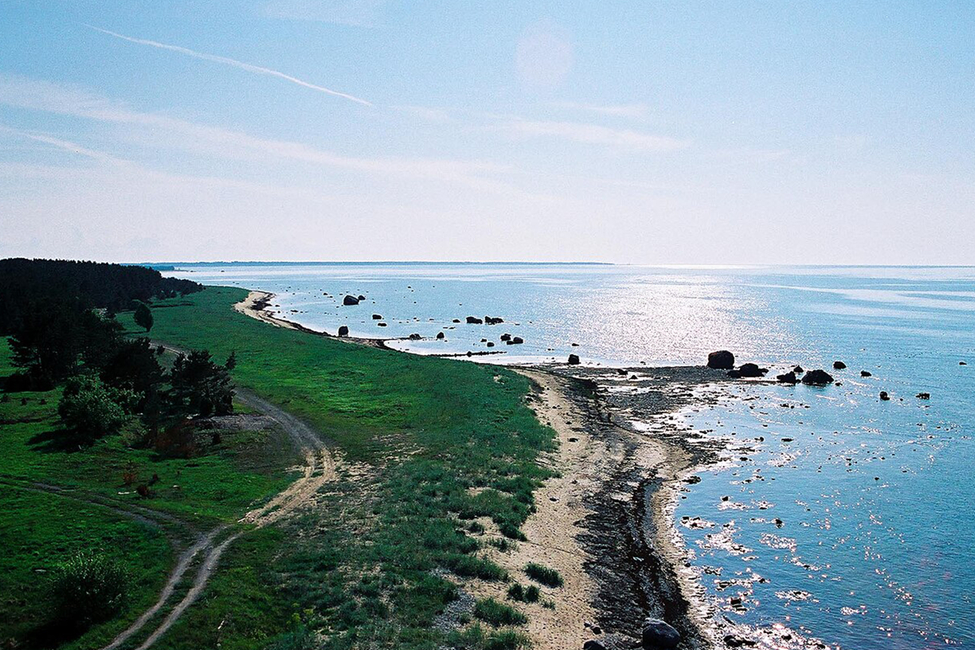
22. High Limestone Stone Cliffs LINE The Northern Ocean Coast
Geographic surveys show the flat land drops straight down into the cold Baltic Sea along the spectacular Ontika cliffs. Geological measurements show these beautiful limestone walls reach heights of over 55 meters in several coastal spots. Cold winter weather turns the running water on the cliff faces into massive, beautiful walls of solid ice.
23. A Unique Cultural Minority Group Lives In The Southeast
Ethnographic research shows that members of the Seto minority group work hard to keep their unique language and ancient traditions alive. Cultural studies show women wear heavy, beautiful silver jewelry pieces and colorful handmade clothes during local holidays. Their special multi-toned folk singing style is famous and protected by cultural experts.
24. Flat Rural Roads Are Completely Perfect For Bicycle Rides
Topographic maps show that hills are very small across the landscape, so you will not find any high mountains to climb while traveling. Transportation data notes that this flat terrain makes it very easy to ride a touring bicycle for a long time without getting exhausted. You can easily rent a bike to see the beautiful coastline at your own comfortable pace.
25. Everyone Enjoys The Legal Right To Walk And Camp In Nature
Legal studies show that national laws allow both local citizens and international tourists to walk, camp, and hike across public land for free. Environmental data notes you are legally permitted to pick wild berries and delicious mushrooms in the woods whenever you want. The government only asks that you keep the forest clean and respect private property lines.
Contact us today to begin planning your unforgettable adventure:
- Call us at (800) 778‑9847
- Email: info@vytistours.com
- Visit: com
FAQs
Is it safe to travel alone around the country?
Yes, official safety statistics show that the country maintains very low crime rates, making it one of the safest travel destinations in Europe. You should still watch your personal pockets in busy tourist areas like Tallinn’s Old Town, but safety data shows walking around at night is generally very peaceful and secure.
When is the ideal time of year to visit?
Weather data shows that the summer months are best for warm temperatures because the sun stays up for nearly 19 hours a day, giving you plenty of time to explore. Winter climate data shows it is also a great choice if you want to see snow on the old castles and visit the historic Christmas markets.
Do the local people speak English well?
Yes, international language data shows that most young citizens and city workers speak excellent English. Signs in transit stations, train lines, and major museums are routinely written in English, making it very simple for independent travelers to find their way around.
What kind of local food should I try?
Culinary research shows you should try the dark rye bread, fresh-caught Baltic fish, and warm pork dishes served with sauerkraut. Retail data shows local shops also sell delicious marzipan treats and historic dark chocolates from the famous Kalev confectionery factory.
How easy is it to travel between different cities?
Transit data shows clean electric trains and cheap express buses connect all the major towns for a very affordable price. Logistics tracking shows long-distance buses even come equipped with free Wi-Fi internet networks and individual TV screens on the back of the seats.
Do I need to carry paper cash money?
No, financial data shows the nation’s advanced digital infrastructure allows you to pay with credit cards or mobile phones almost everywhere, even on small islands. Economic surveys note it is smart to keep a few small coins for public bathrooms, but card payments are standard practice across the country.
