
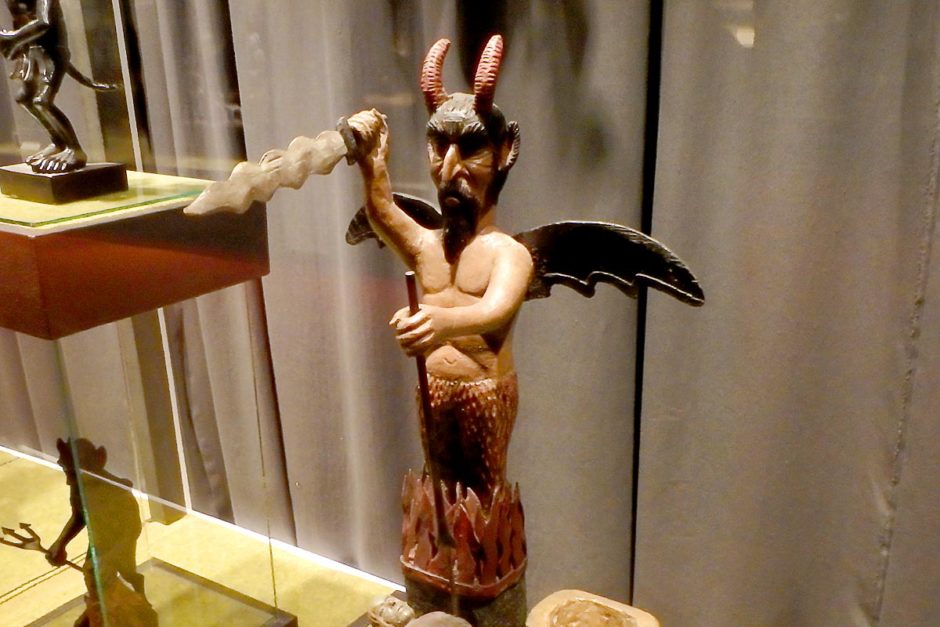
The Devil’s Museum is not just another museum—it is one of the most unusual and culturally intriguing attractions in Kaunas. For travelers seeking experiences beyond traditional sightseeing, this museum offers a rare opportunity to explore folklore, art, humor, and cultural symbolism all in one place.
A One-of-a-Kind Collection
The Devil’s Museum houses a vast and growing collection of over 3,000 devil-themed items from Lithuania and around the world. Exhibits include wooden carvings, ceramics, paintings, masks, textiles, and sculptures, each reflecting different artistic styles and cultural interpretations. From frightening and mythological figures to playful and satirical versions, the collection showcases how the image of the devil has evolved across societies and time periods.
Insight into Lithuanian Folklore and Traditions
In Lithuanian folklore, the devil is not always portrayed as purely evil. Instead, he often appears as a mischievous, clever, or even humorous character. Visiting the museum provides deeper insight into local traditions, rural storytelling, and the country’s rich mythological heritage—making it an excellent cultural stop for those interested in authentic experiences during their Lithuania tours.
International Cultural Perspective
Beyond local folklore, the museum features exhibits from more than 70 countries. Visitors can see how different cultures interpret similar mythological or symbolic figures. This global perspective adds educational value and makes the experience engaging for international travelers and professionals looking to understand cultural diversity through art.
A Unique and Memorable Experience
For travelers who have already visited historic old towns, castles, and churches, the Devil’s Museum offers something refreshingly different. Its creative displays, occasional humor, and unconventional theme make it one of the most memorable stops included in group tours to Lithuania, and customized Lithuania vacation packages.
Easy to Combine with Other Kaunas Highlights
The museum’s central location makes it easy to visit alongside other major attractions in Kaunas. Whether you’re spending a half-day in the city or exploring it as part of a broader itinerary between Vilnius and western Lithuania, the Devil’s Museum is a convenient and worthwhile addition to your travel plans.
In short, if you’re looking for a cultural experience that is distinctive, educational, and entertaining, the Devil’s Museum offers a fascinating glimpse into the artistic and folkloric imagination of Lithuania and the wider world.
Read More: Best Things To Do In Palanga, Lithuania (Travel Guide)
Visiting the Devil’s Museum in Kaunas is one of the most unusual and memorable cultural experiences in Lithuania. More than just a quirky collection, this museum offers deep insight into global folklore, artistic expression, mythological symbolism, and even social commentary. With over 3,000 devil-themed objects from more than 70 countries, every corner tells a new story — from frightening to whimsical, from sacred to satirical.
Original Collection of Antanas Žmuidzinavičius
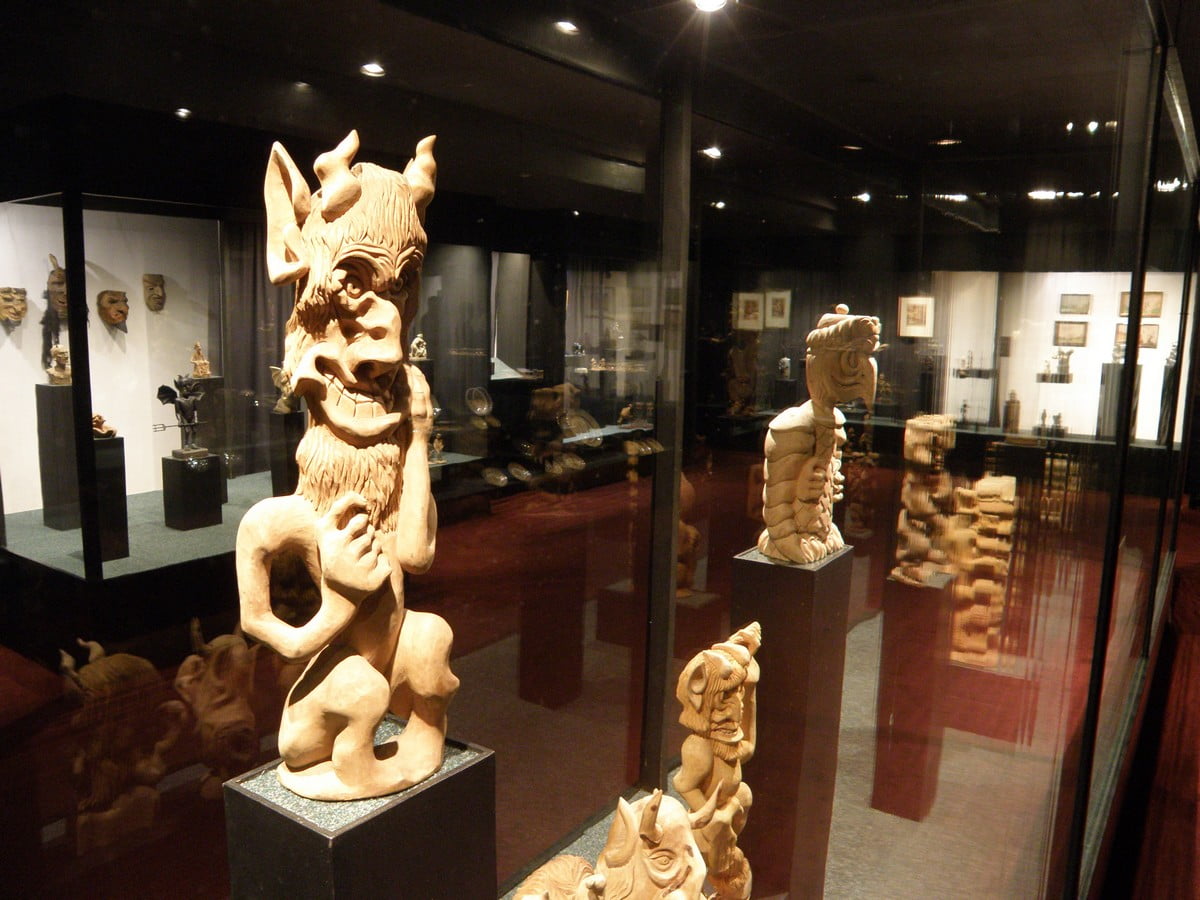
Image By Tymrazem
At the heart of the museum is the founding collection of Antanas Žmuidzinavičius, the renowned Lithuanian painter whose lifelong passion sparked the entire museum.
Historical starting point – The museum began with a single carved devil gifted to the artist in 1906 and expanded from there as he acquired statues, masks, and artistic depictions from all over Lithuania and beyond.
Original artworks and studio displays – The first floor preserves his early works and personal artistic interpretations of devil themes, often showing the devil as part of Lithuanian folklore and rural life.
Local folklore insights – These works reflect how devils were viewed in early 20th-century Lithuanian art — sometimes intimidating, other times playful.
Photo tip: Capture close-ups of intricate woodwork and early 20th-century artistic styles.
Global Devil Exhibits — Three Floors of Cultural Diversity
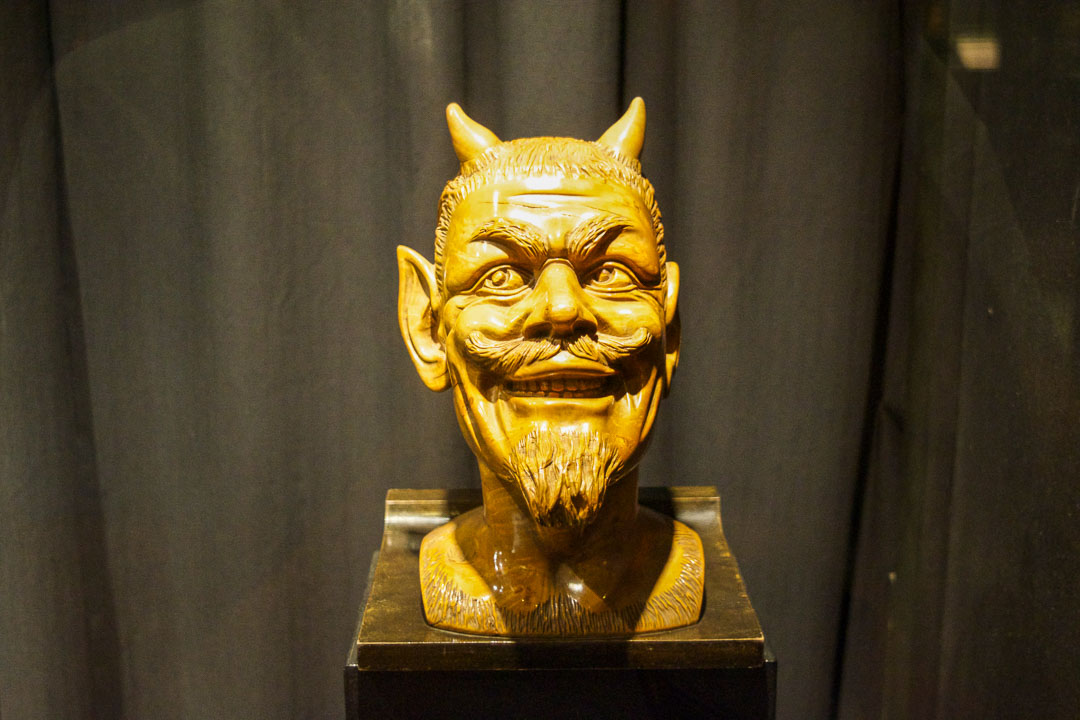
One of the most striking features of the Devil’s Museum is its international collection, gathered from visitors and donors worldwide.
Second Floor – Folk Devils
This level displays works by folk artists, craftsmen, and professional sculptors — primarily from Lithuania and neighboring regions.Wooden carvings from Slavic and Baltic traditions
Folk art objects depicting devils in tales of mischief and moral lessons
Third Floor – International Devils
The top floor showcases devil figures and masks from around the world, including pieces from Europe, Asia, Africa, and the Americas.Masks used in ritual or festival traditions
Sculptures reflecting unique cultural interpretations
Ceramics and exotic art demonstrating differing mythologies
Photo tip: Photograph the contrast between local and international pieces — try framing artefacts with signage showing their country of origin.
Masks, Ritual Objects & Festival Pieces
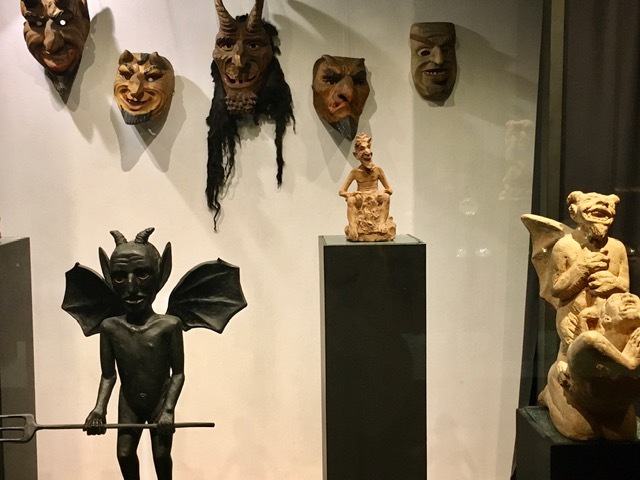
Image Source: Browsing The Atlas
A standout part of the museum’s collection is the array of devil and demon masks, many of which were historically used in rituals or community festivals.
Cultural symbolism – In many traditions (especially European folk rituals), devil masks are worn to chase away winter or socialize about the supernatural.
Vibrant designs – These masks come in elaborate carved wood, painted ceramic, and mixed media, reflecting rich craftsmanship and storytelling.
Photo tip: Masks with dramatic eyes and horns create great visual contrast against museum displays.
Devils in Everyday Objects
The Devil’s Museum isn’t limited to sculptures — in many cases, the devil motif appears on ordinary household items, offering fascinating cultural insight.
Functional objects transformed – Devil imagery shows up on nutcrackers, ashtrays, pipes, mugs, plates, and even furniture.
These pieces reveal how deeply the devil figure has been woven into folklore, craft, and creative expression.
Photo tip: Close-ups of devil motifs on daily objects make for unique photo stories.
Paintings and Graphic Artworks
Beyond three-dimensional pieces, the museum features paintings and illustrations exploring devil themes.
Works by both Lithuanian and international artists
Pieces that show mythological, satirical, or abstract interpretations
Scenes that depict morality tales, supernatural battles, or symbolic narratives
Photo tip: Use wide shots to capture large paintings and detail shots for artistic texture.
Educational Folklore & Mythology Insights
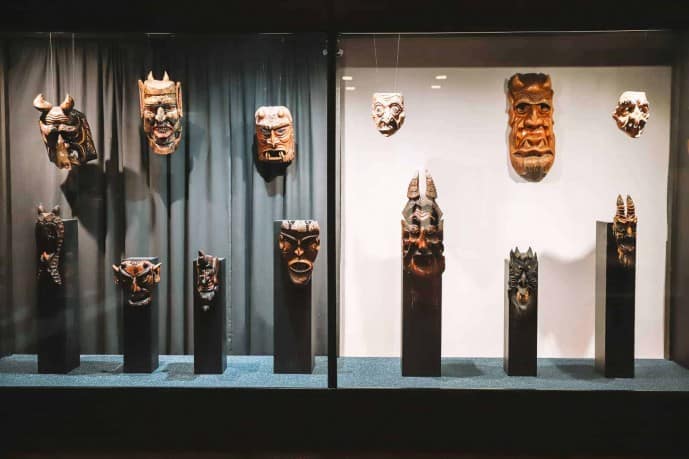
Image Source: ThirdEyeTraveller
The museum does more than display art — it provides context. Throughout the galleries, descriptive panels explain:
The role of the devil in local Lithuanian folklore and mythology
How belief systems shaped depictions of evil and mischief
Comparisons between Christian, pagan, and secular interpretations of devils
This transforms a visit from a visual walk into an educational journey.
Interactive and Playful Exhibits
The Devil’s Museum welcomes visitor participation: guests are traditionally encouraged to donate a devil figure of their own. The collection continues to grow with items people bring from travels around the world.
This tradition makes each visit more personal — you might even see devils representing future visitors.
Photo tip: Capture visitor-donated pieces and the messages or plaques that accompany them.
Architectural and Historic Setting
The museum itself is housed in the former home and studio of Antanas Žmuidzinavičius, designed in the early 20th century and preserved with original furnishings and atmosphere.
Explore the artist’s living space and workshop
See authentic furniture and details from the 1920s–30s
Understand how the collector lived and worked alongside his devils
Photo tip: The workshop and studio interiors make compelling context shots for storytelling posts.
Thematic Humor and Satirical Pieces
Not all devils are menacing — many are humorous, whimsical, or satirical:
Some figures depict devils in comical situations
Others critique political or social themes (including satirical works from the Soviet era)
This playful side adds a lighter dimension to the museum experience and keeps it engaging for a broad audience.
Photography Highlights
The diversity of materials, styles, and cultural interpretations makes the Devil’s Museum incredibly photogenic:
Great photo subjects:
Intricate wood, ceramic, or stone carvings
Mask displays with dynamic expressions
Devil motifs on everyday objects
Contrasts between painted art and three-dimensional sculptures
Visitors often remark on how the museum’s exhibits create a rich visual story that blends humor, tradition, and artistic expression in unexpected ways.
Read More: Best Things To Do In Marijampole, Lithuania (Travel Guide)
When you visit the Devil’s Museum in Kaunas, you’re not just exploring a quirky and fascinating collection of devil figures — you’re also stepping into the life and creative world of the person who started it all: Antanas Žmuidzinavičius. The Antanas Žmuidzinavičius Memorial House is part of the museum experience and offers a unique historical and cultural perspective that deepens your understanding of both the collector and his unusual passion.
A Home That Became a Museum
The memorial house was originally constructed in 1928 and expanded in 1938 according to a design by prominent architect Vytautas Landsbergis-Žemkalnis. This building served as both the family home and studio of Antanas Žmuidzinavičius, a celebrated Lithuanian painter, cultural figure, and art collector. After his death, the house was transformed into a museum in 1966, preserving the authentic environment in which he lived and worked.
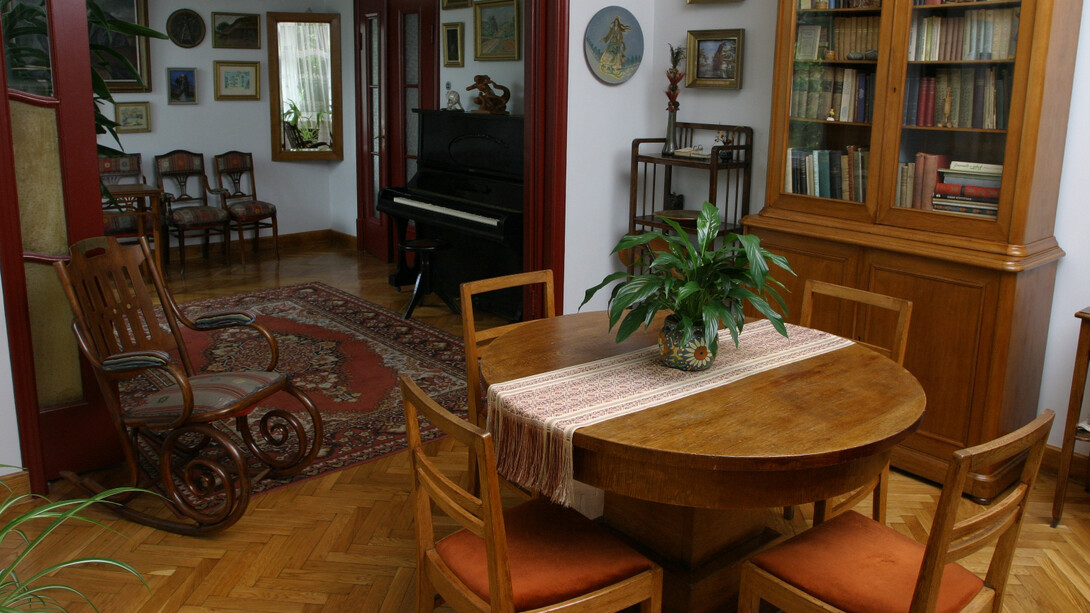
Inside, the house retains the atmosphere of the 1930s with original furniture, décor, and interior elements from the interwar period. It vividly reflects the lifestyle and artistic environment of a prominent Lithuanian creative personality of the early 20th century.
What You Can See in the Memorial House
The memorial exposition includes several spaces that bring the artist’s world to life:
Family Living Quarters
The Žmuidzinavičius family sitting room featuring authentic interwar furniture, décor, and objects selected by the artist himself.
Displays of personal items, furnishings, and period pieces that illustrate how the family lived and entertained.
Artworks by friends and colleagues hanging on the walls, including works by important Lithuanian artists such as Mikalojus Konstantinas Čiurlionis and Petras Kalpokas.
Artist’s Studio
The studio space remains untouched since Žmuidzinavičius’s lifetime, preserving the true atmosphere of his workspace.
You’ll find his unfinished works, original easel, working desk, bookshelves, and other tools exactly as they were when he worked.
The floor, lighting, and spatial layout were purposely preserved, offering a rare and authentic glimpse into the daily environment of a working artist.
Paintings and Creative Legacy
The workshop and living areas show examples of Žmuidzinavičius’s art from various periods, including landscapes, genre scenes, and study works from his Paris years.
These works demonstrate his range — from academic grounding to mature expressive styles — giving visitors insight into his artistic evolution.
The Devil Collection’s Origin
While the globally celebrated devil collection is now housed in a separate annex built in 1982, its origins lie in this very home — where Žmuidzinavičius first gathered his figurines and art pieces. The memorial house exhibits some context about how his private collection grew organically over decades and later expanded into what is now the Devil’s Museum proper.
Guided Tours for Deeper Insight
For a richer experience, the museum offers guided tours specifically focused on the life and work of Antanas Žmuidzinavičius. These tours take you through the family apartment, studio, and residential areas, sharing stories about the artist’s travels, personality, and the surprising beginnings of the devil collection. They often include anecdotes about interactions with prominent historical figures and the cultural milieu of interwar Lithuania.
Why It’s Worth Visiting
Visiting the memorial house alongside the Devil’s Museum enhances your experience in several meaningful ways:
Contextualizes the Devil Collection: You gain a deeper appreciation for how a private passion turned into a globally unique museum.
Cultural and Historical Insight: The preserved interiors and personal artifacts offer a snapshot of Lithuanian artistic life in the early 20th century.
Artistic Legacy: Understanding Žmuidzinavičius’s art and influences enriches both visual and cultural perspectives for travelers.
Architectural Interest: The house itself is a notable example of interwar modernist architecture and has heritage significance.
Read More: Best Things To Do In Alytus, Lithuania (Travel Guide)
