


Imagine arriving in Tallinn on a beautiful summer morning. The medieval streets are beginning to fill with visitors, cafés are opening their doors, and the city is ready to be explored. You have several days ahead of you and three countries to discover: Estonia, Latvia, and Lithuania.
But how should you experience them? One traveler might prefer to meet a local guide, hear the stories behind the historic landmarks, and enjoy a journey where transportation and sightseeing are already arranged. Another might collect a rental car, plan a route through the countryside, and stop wherever something catches their attention. Both travelers can have an unforgettable Baltic holiday. They simply experience the region differently. Choosing between guided and self-drive Baltic tours is not just a question of transportation. It affects how you spend your time, what you discover, how much planning you handle, and the kind of memories you take home.
For visitors travelling from the United States or Canada, the decision can be particularly important. When vacation days are limited and the Baltic region is still unfamiliar, choosing the right travel style can make the entire experience more enjoyable. So, should you explore the Baltic States with a guide or take the road-trip approach? Let’s look at what each experience really offers.
Why Kaunas Modernist Architecture Earned UNESCO Recognition
The Baltic States are compact enough to make a multi-country holiday practical, but each country has its own character.
Estonia offers medieval architecture, islands, forests, and a distinctive blend of Nordic and Baltic influences. Latvia combines the architectural elegance of Riga with beautiful countryside and coastal destinations. Lithuania brings together historic cities, castles, cultural heritage, and landscapes that reward a slower journey.
You can discover all three independently or with professional guidance. However, the experience changes considerably depending on how you travel.
The guided experience
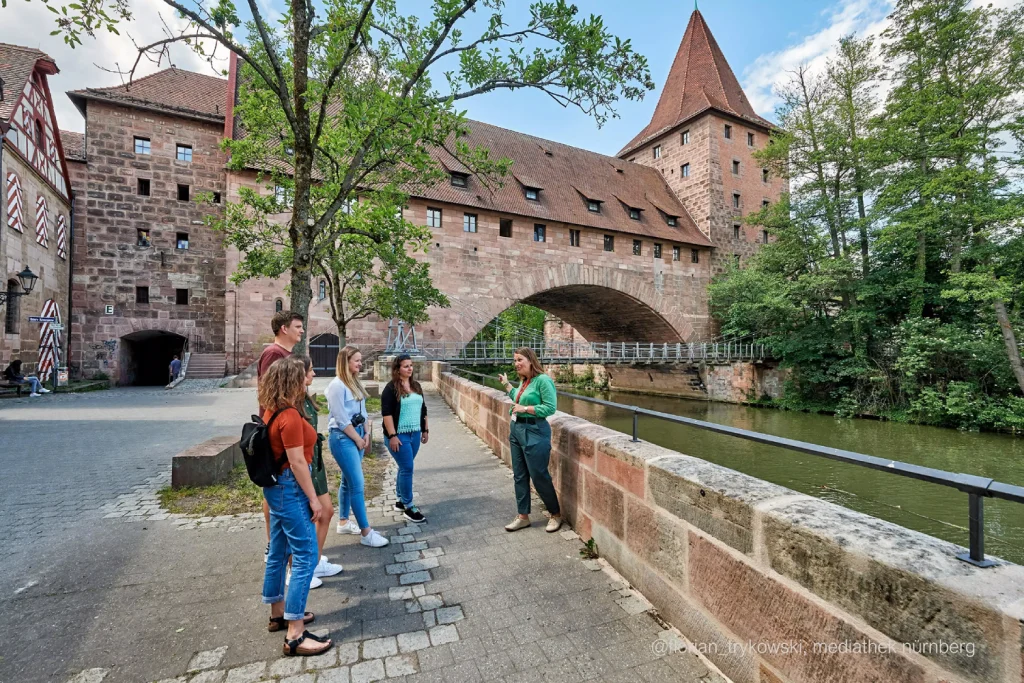
With a guided Baltic tour, much of the journey is organized before you arrive. Depending on the package, transportation, sightseeing, local guides, and other arrangements may be included. Instead of spending your morning checking directions or deciding where to park, you can focus on the destination. A knowledgeable guide can introduce the history of a medieval square, explain the significance of a historic monument, or recommend a local experience you might otherwise miss. This approach is especially appealing to travelers who want to understand the region rather than simply move between its most famous attractions.
The self-drive experience
A self-drive Baltic tour puts you in control of the journey. You decide when to leave, where to stop, and how much time to spend in each location. You might spend an additional afternoon in Riga, take a scenic detour through the Estonian countryside, or change your plans after discovering an interesting coastal village. It is a more independent way to travel, but it also means taking responsibility for navigation, driving, parking, and organizing your daily schedule. Neither approach is automatically better. The real question is which one fits the holiday you want.
One Baltic Destination, Two Very Different Days
Perhaps the easiest way to understand the difference is to imagine visiting the same destination in two ways.
Let’s take a day in Latvia, with Riga and the surrounding region as an example.
With a guided tour
Your day begins with a planned sightseeing schedule. A local guide introduces you to Riga’s historic centre, explaining the city’s trading history, architecture, and cultural development. As you explore the Old Town, landmarks such as the House of the Black Heads and Riga Cathedral become more than attractive buildings. You learn why they matter and how they fit into the city’s history. Later, your itinerary might take you towards Sigulda or another destination in the Latvian countryside. Transportation is arranged, and you can enjoy the scenery without concentrating on the road.
With a self-drive tour
Your morning begins whenever you decide. You collect your belongings, check your route, and drive towards Riga’s historic centre or a destination outside the city. You can stop for photographs, spend longer at an attraction, or change direction if you find somewhere interesting. However, you also need to consider parking, navigation, travel time, and whether your next destination has suitable facilities or opening hours. You may discover more independently, but some of the time that could be spent exploring will go towards managing the journey. This is the central difference between the two approaches: a guided tour gives more attention to the experience itself, while self-drive travel gives more control over how the experience unfolds.
What You Gain with a Guided Baltic Tour
The strongest argument for guided travel is not simply convenience. It is the combination of local knowledge, organized transportation, and a more structured way to discover unfamiliar places.
You understand what you are looking at
A historic building can be impressive without explanation. However, knowing who built it, what happened there, and why it remains important can completely change your experience. This is particularly relevant in the Baltic States, where history is reflected in architecture, traditions, museums, and everyday city life. A local guide can help connect the different chapters of the region’s past and explain the cultural differences between Estonia, Latvia, and Lithuania.
You spend less time organizing the journey
Planning a three-country holiday involves several moving parts. You may need to coordinate arrival and departure cities, transportation, accommodation, sightseeing, reservations, and travel distances. If you are unfamiliar with the region, even a relatively simple itinerary can require considerable research. A guided tour brings many of these arrangements together. The exact inclusions depend on the package, but the overall experience can be considerably easier to manage. For North American travelers who have limited vacation time, this can be a major advantage.
You can discover places through local perspectives
Travel guides and online maps are useful, but they cannot always explain the character of a place. A local guide may introduce you to a traditional food, describe a regional custom, or point out details in a historic neighbourhood that you might walk past without noticing. This is one reason guided experiences can be particularly valuable for travelers interested in culture, architecture, and history.
The journey becomes easier between destinations
A multi-country holiday involves more than arriving in each capital city. You need to think about luggage, departure times, transport connections, and the practical details of moving between destinations. With a guided tour, transportation is generally coordinated as part of the itinerary. You do not have to manage every journey yourself. For travelers who would rather spend their holiday enjoying the Baltic region than managing its logistics, that difference matters.
What You Gain with a Self-Drive Baltic Tour
Of course, independence has its own appeal. For some travelers, the freedom to decide where the road leads is an essential part of the holiday.
Your itinerary belongs to you
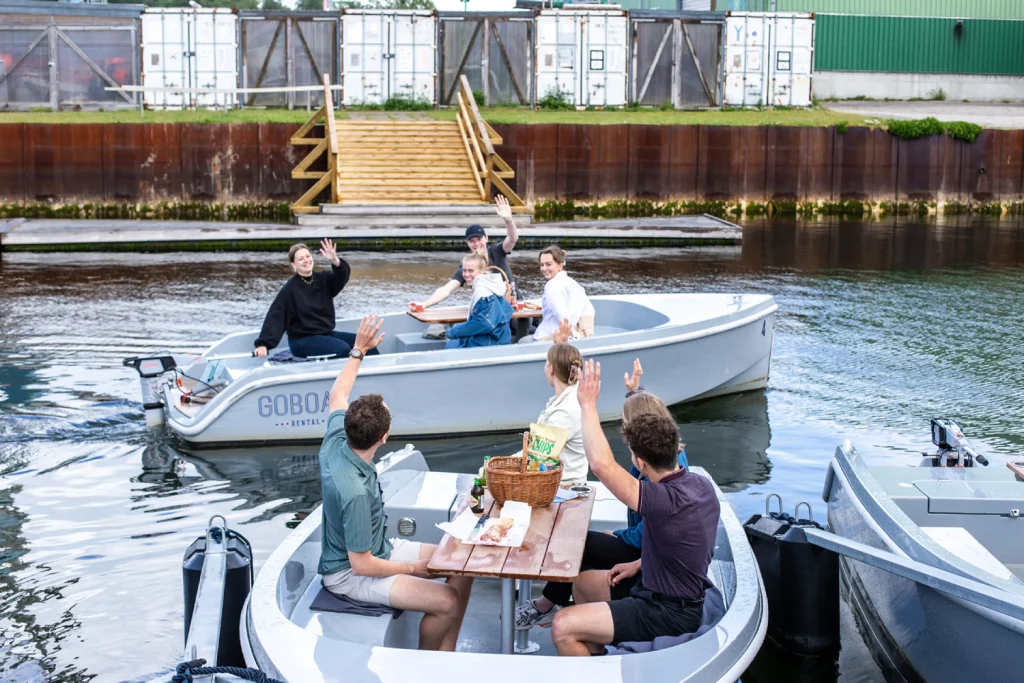
Self-drive travel is ideal for people who do not enjoy following a fixed schedule. You can start early to enjoy a quiet destination, take a longer lunch break, or spend an extra night somewhere you particularly like. There is no need to coordinate every decision with a tour group.
The countryside becomes part of the experience
The Baltic capitals are important highlights, but there is much more to see beyond Tallinn, Riga, and Vilnius. Consider exploring Lahemaa National Park in Estonia, the Gauja region in Latvia, or the landscapes surrounding Trakai in Lithuania. Having a car can make it easier to connect rural destinations and visit places that may require more complicated public transport arrangements. For nature enthusiasts and photography lovers, the ability to stop along the way can be particularly appealing.
You can build a holiday around your interests
Some visitors want to spend their time exploring historic buildings. Others prefer beaches, forests, food, photography, or quiet villages. A self-drive itinerary can be designed around those preferences. You are not restricted to a standard sightseeing schedule, and you can make adjustments as your interests develop during the trip.
Independence can be rewarding
For experienced road-trip travelers, managing the route is part of the enjoyment. Finding a scenic road, discovering a small café, or reaching a destination without following a group schedule can make the holiday feel personal. However, that freedom comes with responsibility. You are also the person who needs to solve problems if a route changes, parking is unavailable, or your plans take longer than expected.
The Part of Self-Drive Travel That Deserves More Attention
A road trip through Estonia, Latvia, and Lithuania may sound straightforward, and in many ways it is. The countries are connected by road networks, and international visitors can plan journeys between their major destinations. But the practical details deserve attention before you book your rental car.
Cross-border rental conditions
Not every rental agreement automatically permits travel into neighbouring countries. If you collect a vehicle in Estonia and plan to drive into Latvia and Lithuania, confirm the company’s cross-border policy in advance. Check whether additional permission, insurance coverage, or fees are required. Also ask about one-way rentals if you intend to return the vehicle in a different country.
Driving and navigation
All three Baltic countries drive on the right-hand side. Visitors should familiarize themselves with local speed limits, road signs, parking rules, and seasonal driving requirements. Navigation applications can be useful, but it is sensible to review your route before setting off, particularly when travelling through rural areas.
Parking in historic cities
Tallinn, Riga, and Vilnius are wonderful cities to explore on foot. Their historic centres, however, are not always convenient places to drive. Pedestrian areas, narrow streets, and designated parking zones can make it more practical to leave your vehicle outside the busiest parts of the city.
Winter conditions
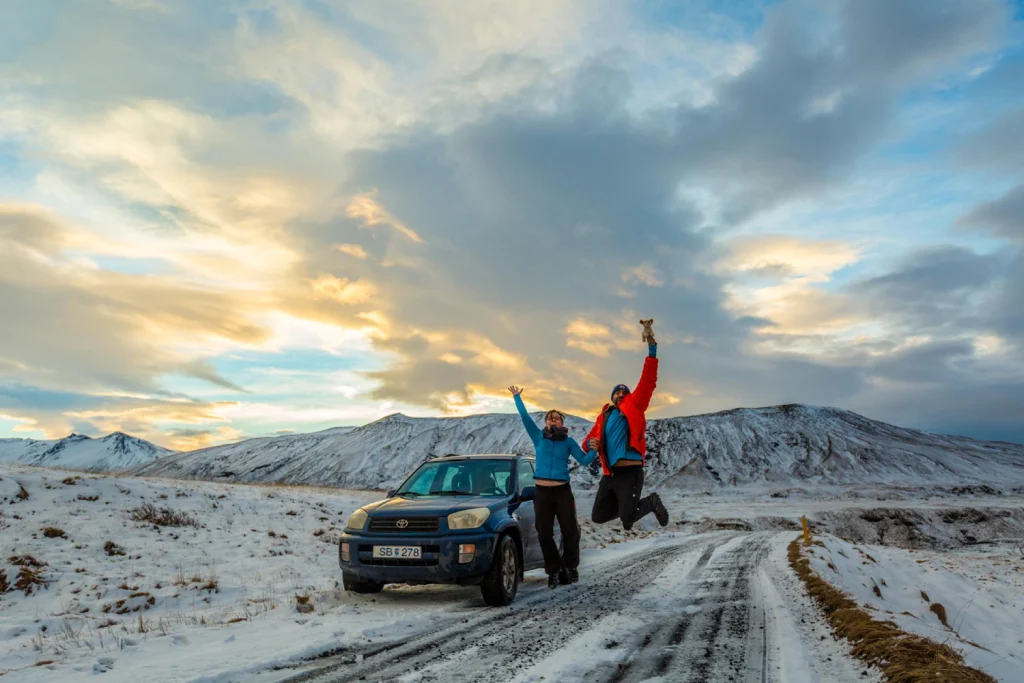
Winter travel requires additional preparation. Snow, ice, shorter daylight hours, and seasonal tyre requirements can affect driving conditions. If you are unfamiliar with winter driving in northern Europe, consider whether you would be more comfortable travelling with organized transportation. These considerations do not make self-drive travel a poor choice. They simply show why a successful road trip requires more preparation than booking a vehicle and following a map.
Who Should Choose Which Travel Style?
Rather than declaring one option the winner, it is more useful to consider the kind of traveler you are.
If this is your first Baltic holiday
A guided tour is often a sensible choice. First-time visitors may not know which destinations deserve the most time or how to connect the three countries efficiently. A guided itinerary helps bring the region together, particularly when you want to see its major cultural and historical highlights. You can also use the experience to become familiar with the region before considering a more independent return visit.
If you love road trips
Self-drive travel may be the natural choice. If you already enjoy planning routes, driving in unfamiliar places, and discovering destinations independently, the Baltic States offer plenty of opportunities. You can explore cities, countryside, coastlines, and smaller communities according to your own interests.
If you are travelling with family
The decision depends on your family’s needs. A self-drive holiday gives parents greater control over breaks, meals, and daily schedules. A private guided tour, however, can remove the stress of driving and organizing transportation. Families should consider the ages of their children, the amount of luggage, and how comfortable everyone is with longer journeys.
If you are interested in history and culture
A guided experience has a clear advantage for visitors who want more than photographs and sightseeing. Local guides can explain the historical and cultural background of places such as Tallinn’s Old Town, Riga’s Art Nouveau district, and Vilnius’s historic centre.
Independent travelers can still enjoy these destinations, of course, but they will need to arrange their own tours or research the context beforehand.
If you are travelling alone
Both approaches are possible, but guided tours can offer additional convenience. A small-group experience creates opportunities to meet other travelers, while a private tour provides a more personal itinerary. Self-drive travel offers independence, although the rental, fuel, and other vehicle costs are not shared with other passengers.
Is a Guided Baltic Tour More Expensive Than Driving Yourself?
This is one of the most common questions travelers ask, and the honest answer is: it depends. A rental car may appear less expensive than a guided package when you compare only the initial prices. But the vehicle is just one part of the total cost.
For a self-drive holiday, you should account for:
- Rental charges and any additional driver fees
- Fuel and parking
- Insurance and optional coverage
- Cross-border fees, where applicable
- Accommodation and meals
- Attraction tickets and activities
- Any ferry or other transport connections
A guided tour may include several of these elements in one package. Depending on the provider, it may also include local guide services, transportation, selected sightseeing, and accommodation arrangements.
For a family or group sharing a rental vehicle, self-drive travel may offer good value. For a solo traveler or couple who would otherwise pay separately for transportation and guided experiences, an organized tour may be competitive.
The most useful comparison is therefore not the rental price against the tour price. It is the total cost of each holiday, including the services and experiences you actually want.

You Do Not Have to Choose Just One
There is another option that many travelers overlook: combining guided experiences with independent exploration.
You might spend the first few days discovering Tallinn at your own pace, then join a guided excursion into the Estonian countryside. In Riga, you could explore the city independently before arranging a local guide to explain its architecture and history.
Alternatively, you could use public transportation between the capitals and book private transportation for destinations outside the cities.
This hybrid approach works particularly well for visitors who enjoy independence but do not want to manage every part of a multi-country holiday.
For example, a traveler could:
- Explore Tallinn independently and book a guided Old Town experience.
- Arrange a local excursion to Lahemaa National Park.
- Spend time discovering Riga’s restaurants, markets, and architecture.
- Join a guided visit to Latvia’s historic castles or the Gauja region.
- Explore Vilnius independently before arranging a trip to Trakai Castle.
The result is a holiday with both flexibility and local insight.
A More Personal Way to Explore the Baltic States
The Baltic States are not destinations that need to be rushed through.
Tallinn rewards visitors who take time to explore its medieval streets. Riga deserves attention beyond its famous architecture, and Vilnius offers a fascinating mixture of historic landmarks and contemporary culture.
The best itinerary is one that gives you enough time to appreciate these differences.
If Estonia is high on your list, explore the Estonia travel experiences offered by Vytis Tours. Travelers interested in Latvia can discover the Latvia tours and destinations, while those planning to spend more time in Lithuania can explore the Lithuania travel experiences.
For a broader understanding of the region, the Vytis Tours Baltic travel blog also offers destination guides and travel inspiration.
So, Which Is Better: Guided or Self-Drive Baltic Tours?
If you enjoy independence, have experience driving abroad, and want complete control over your schedule, a self-drive Baltic tour can be an excellent way to explore the region.
If you prefer organized transportation, local knowledge, and a more relaxed approach to discovering unfamiliar destinations, a guided tour may be the better fit.
For many first-time visitors from the United States and Canada, guided travel offers a practical way to experience three countries without spending a large part of the holiday managing transportation and logistics.
There is also no reason to treat the decision as all or nothing. A combination of independent sightseeing and guided excursions can offer the best of both approaches.
At Vytis Tours, the focus is on helping travelers discover the Baltic region through local knowledge, thoughtfully planned itineraries, and experiences that bring the destinations to life.
Whether you are interested in Estonia’s medieval heritage, Latvia’s architecture, or Lithuania’s cultural landmarks, the right journey begins with understanding what you want from your holiday.
Explore the Baltic States with Vytis Tours and start planning a journey that suits your interests, schedule, and travel style.
