

Here’s something most travelers don’t figure out until after they’ve already booked: planning a trip to the Baltic States is not particularly hard, but planning one that’s both smooth and affordable at the same time takes a bit more thought than just finding the cheapest package online and pressing confirm.
The good news is that Baltic states travel has a genuinely generous ceiling when it comes to value. Estonia, Latvia, and Lithuania offer medieval cities, dramatic coastlines, ancient forests, extraordinary food, and one of the most fascinating layers of history in all of Europe, and they do it at a price point that makes Western Europe look extravagant by comparison. But “affordable” and “seamless” don’t always arrive together by default. You have to plan for both.
The common mistake is booking too late and missing the best accommodation in the right locations. Underestimating travel time between cities. Choosing a tour operator who knows the region from a brochure rather than from three decades of on-the-ground experience. Packing an itinerary so tightly that there’s no room to actually enjoy being somewhere.
We’ve seen all of it, and we know exactly what separates a Baltic trip that flows beautifully from one that leaves travelers wishing they’d done things differently.
So, this guide is the practical one. Not just inspiration, but a real, step-by-step framework for planning Baltic states travel that’s organized, affordable, and genuinely worth every moment you’ll spend in this corner of the world. Whether you’re a first-time visitor or returning for a deeper look, this guide will help you get it right from the very first decision.
Read More: Ultimate Guide to the Baltic States Tours: What Every Traveler Should Know
Trending Baltic Vacation Package: BALTIC HIGHLIGHTS – 8 DAYS / 7 NIGHTS
Step 1: Decide What Kind of Baltic Trip You Actually Want
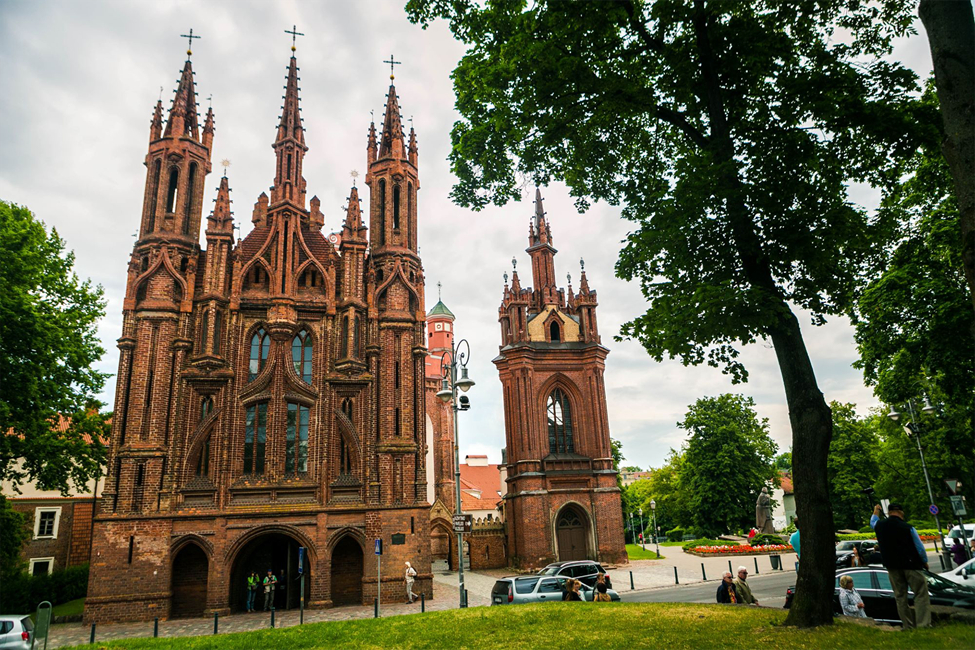
Before you touch a booking platform or start comparing prices, the most important thing you can do is get clear on what kind of trip this is. Baltic states travel can look very different depending on who you are and what you’re after, and the clearer you are on this upfront, the smoother every subsequent decision becomes.
Are You Visiting All Three Countries or Just One?
This is the first fork in the road. All three Baltic nations, Estonia, Latvia, and Lithuania, are compact enough that a single trip can cover all three comfortably in 8–14 days. If this is your first time in the region, a multi-country itinerary is almost always the right call. The geographic proximity means you can move between capital cities in a few hours by road, and covering all three in one trip is significantly more cost-efficient than three separate journeys.
If you’ve visited before and want to go deeper into a single country, spending more time in the Latvian countryside, or exploring Estonia’s islands and national parks beyond Tallinn, a single-country focus makes sense. But for most first-timers, the multi-country Baltic route is the trip.
What’s Your Travel Style?
Be honest with yourself here. Do you want a structured guided tour where the logistics are handled and a knowledgeable local shows you the context behind what you’re seeing? Or do you prefer independent travel where you move at your own pace with occasional guided experiences built in?
Both approaches work in the Baltics. But guided tours, especially through a specialist Baltic travel company with deep regional knowledge, tend to deliver dramatically more value in a region that’s less saturated with tourist infrastructure than Western Europe. A great guide here doesn’t just tell you facts; they reframe the entire destination.
How Much Time Do You Have?
This is the single most important practical constraint in your planning. Our honest recommendations:
- 7–8 days: Baltic Highlights, the three capitals plus one or two-day excursions
- 10 days: Deeper city exploration plus significant time in the countryside or on the coast
- 14 days: Full Baltic immersion, cities, national parks, coastal areas, rural villages, and room to breathe
If your window is shorter than 7 days, focus on one or two destinations rather than rushing across all three countries. A rushed Baltic trip doesn’t do justice to the region.
Step 2: Plan Your Timing, When to Go for the Best Balance of Cost and Experience
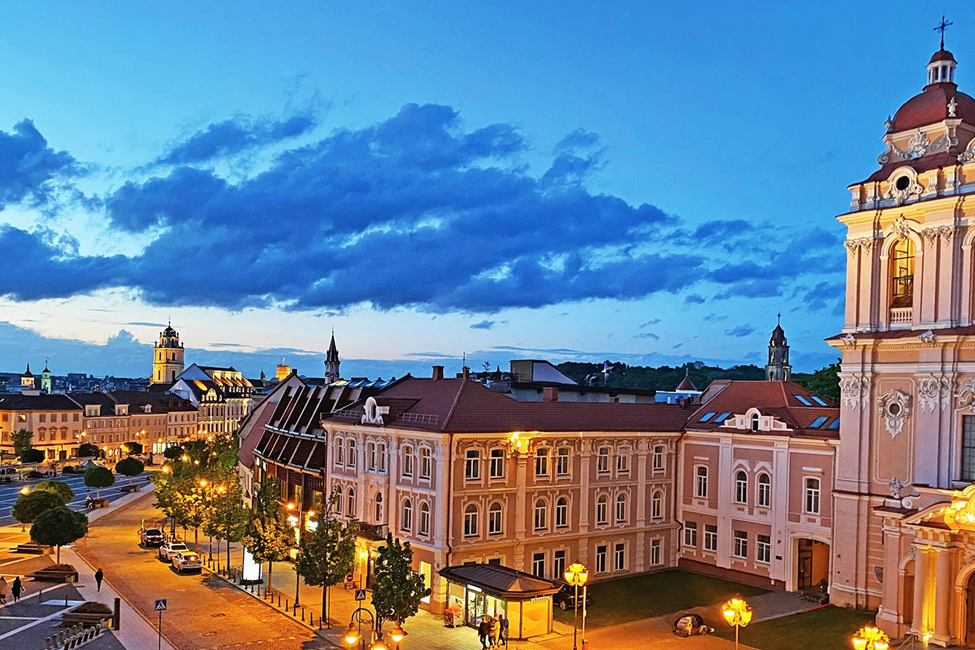
Timing your Baltic states travel correctly is one of the most powerful levers you have on both cost and experience quality. Here’s how the calendar breaks down:
Peak Season: June to August
Summer is the Baltics at their most vibrant, with long days (sometimes 18+ hours of daylight in midsummer), outdoor festivals, beach season on the Latvian coast near Jūrmala, and the region’s famous song and dance celebrations. The weather is warm and reliable.
The trade-off: peak season prices. Accommodation costs rise significantly, popular tour slots book out months in advance, and the most-visited parts of Tallinn and Vilnius’s Old Towns get genuinely crowded.
Best for: Travelers who prioritize weather and atmosphere and have flexibility on budget.
Shoulder Season: Late April–May and September–October
This is the sweet spot for most travelers combining value with quality of experience. Temperatures are comfortable (typically 12–18°C), the main attractions are accessible without heavy crowds, and both accommodation and tour pricing are noticeably lower than peak summer.
May is particularly beautiful, with spring foliage, wildflowers in the national parks, and long daylight hours without the tourist premium. September brings golden autumn light, harvest season in the countryside, and a noticeably more local feel to the cities.
Best for: Travelers who want excellent value without sacrificing comfort or accessibility.
Low Season: November to March
Winter Baltic states travel is genuinely magical for the right kind of traveler. Snow-covered medieval towns, Christmas markets in Vilnius and Tallinn, dramatically lower prices across accommodation and tours, and an authentic, un-touristy atmosphere that summer visitors never see.
The trade-offs are real, though: short days, cold temperatures (sometimes well below freezing), and some seasonal attractions closed or reduced. But for travelers who love atmosphere over sunshine, winter in the Baltics is genuinely extraordinary.
Insider Tip: Vilnius’s Christmas market is consistently ranked among Europe’s best, an entirely underrated winter destination for travelers who’ve already done Prague or Vienna.
Best for: Budget-conscious travelers, photographers, and those who love a destination without the crowds.
Season | Months | Cost Level | Crowds | Weather |
Peak | June – August | High | High | Warm, sunny |
Shoulder (Spring) | April – May | Medium | Low–Medium | Mild, fresh |
Shoulder (Autumn) | September – October | Medium | Low–Medium | Crisp, golden |
Low | November – March | Low | Very Low | Cold, atmospheric |
Step 3: Set a Realistic Budget for Baltic States Travel
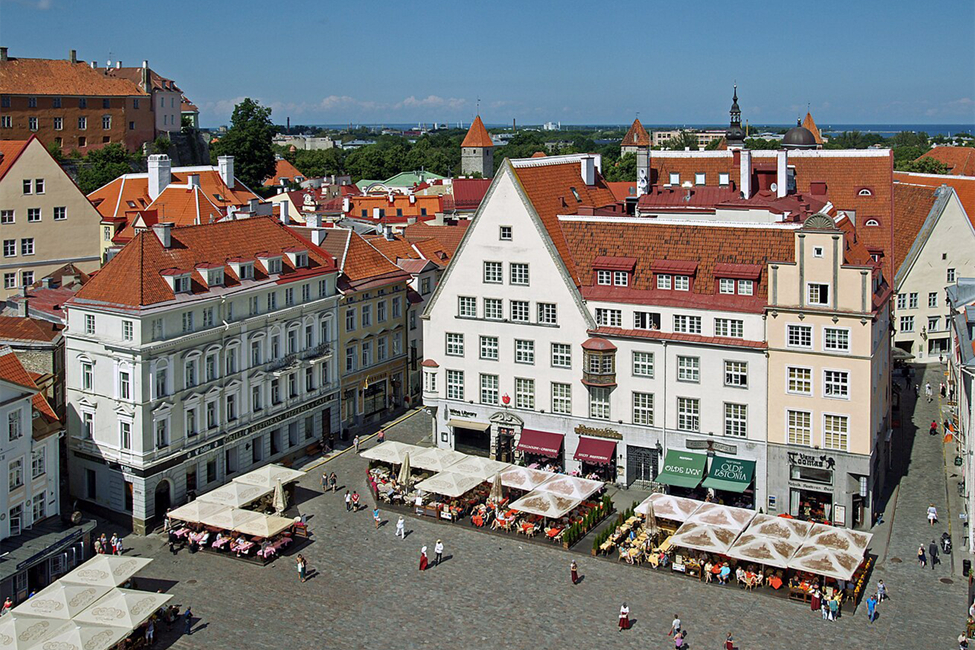
One of the most pleasant surprises waiting for first-time Baltic travelers is how far their money goes compared to Western Europe. But “affordable” still requires thoughtful budgeting, especially if you want a quality experience rather than a budget-at-all-costs approach.
What to Budget For
Flights: International airfares to Vilnius, Riga, or Tallinn vary considerably by origin and season. Booking 3–4 months in advance typically delivers the best value. If you’re flying from North America, consider flying into one Baltic capital and out of another; the “open jaw” approach saves backtracking costs and often comes out cheaper overall. Vytis Tours also offers a handy Book a Flight service to help with this.
Tour Package: A well-structured multi-country Baltic tour from a specialist operator typically ranges from $1,500–$3,000+ per person depending on duration, accommodation category, and inclusions. Remember to check exactly what’s included; transfers, meals, entrance fees, and guide costs can represent a significant portion of on-the-ground spend if they’re not in the package.
On-the-Ground Extras: Budget for meals not included in your package, optional experiences or excursions beyond the itinerary, shopping (Baltic amber, linen, and local crafts are genuinely worth bringing home), and personal spending.
Travel Insurance: Non-negotiable for a trip of this length and investment. Vytis Tours offers travel insurance options directly, simple to add when you book, expensive to wish you had if you don’t.
Where the Baltics Save You Money
- Local restaurants and food markets cost a fraction of tourist-facing spots
- Public transport within Baltic cities is excellent and extremely affordable
- Accommodation outside the most touristy streets of Old Town areas offers great quality at meaningfully lower prices
- Entry fees to many of the region’s best natural attractions, national parks, bog trails, coastal walks, are free or minimal
Step 4: Plan Your Route, How to Move Between the Baltic Countries
Route planning is where a lot of independent travelers lose unnecessary time and money. Here’s how to think about movement across the region for smooth, efficient Baltic states travel.
The Classic Route: Vilnius → Riga → Tallinn (or Reverse)
The standard Baltic route runs from south to north (or north to south), Lithuania’s Vilnius to Latvia’s Riga to Estonia’s Tallinn. This is the most logical geographic progression and allows for efficient routing without backtracking.
Vilnius to Riga: Approximately 4 hours by road, a comfortable drive with stops at highlights along the way, including the Hill of Crosses and Rundale Palace.
Riga to Tallinn: Approximately 4–5 hours by road, another manageable drive with optional detours into the Latvian countryside or the Gauja National Park.
This north-to-south (or reverse) spine forms the backbone of most Baltic states tour packages, and for good reason, it’s geographically efficient, scenically varied, and covers the essential highlights without unnecessary doubling back.
Day Trips and Side Excursions Worth Building In
Some of the most memorable moments in Baltic travel happen not in the capital cities but on the day trips radiating outward from them. The best ones to consider:
From Vilnius: Trakai Castle (30 min), Curonian Spit (3–4 hours), Kaunas (1.5 hours)
From Riga: Jūrmala beach resort (30 min), Kemeri National Park (45 min), Rundale Palace (1.5 hours), Sigulda/Gauja (1 hour)
From Tallinn: Lahemaa National Park (1.5 hours), Tartu (2.5 hours), Pärnu coastal resort (2 hours)
A quality tour operator will build the best of these naturally into your itinerary rather than leaving them as afterthoughts.
Consider a Baltic & Beyond Extension
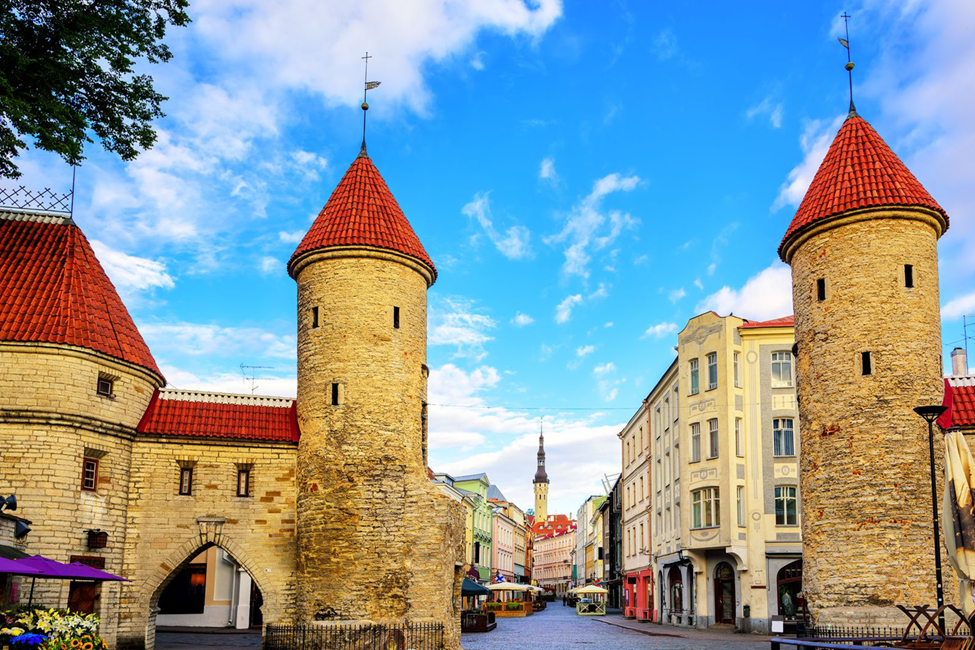
If you have the time, the Baltics also connect naturally into neighboring regions. A Baltic & Beyond itinerary can extend into Poland (Gdańsk, Warsaw, Kraków sit within easy reach of Vilnius), Scandinavia (Helsinki is a short ferry from Tallinn), or Belarus. Vytis Tours offers specialist Baltic & Beyond packages that maintain the same depth of regional knowledge across these extended routes.
Read More: How to Choose the Perfect Estonia Tour for Your Trip
Step 5: Choose Between Guided Tours and Independent Travel
This is the decision that shapes everything else about your Baltic states travel experience. Here’s an honest breakdown:
Why Guided Tours Win in the Baltics
The Baltics are a destination where local context transforms the experience. Standing in front of Tallinn’s medieval walls, or walking across a Latvian bog, or visiting the Hill of Crosses in Lithuania, all of these are moving in their own right. With a knowledgeable local guide who understands the history from a lived perspective, they become genuinely unforgettable.
Beyond the experiential argument, guided tours, especially from a specialist operator like Vytis Tours, remove the logistical friction that drains energy from independent travel. No researching bus schedules at 11 pm. No missed turns between cities. No wondering whether the restaurant you picked is genuinely good or just conveniently located.
For most travelers, the question isn’t whether a guided tour adds value in the Baltics; it’s which type of guided tour fits best.
Small-Group Tours vs. Private Tours
Small-group tours (typically 8–16 people with Vytis Tours) offer the social dimension of shared travel, meeting other curious, interesting travelers, while keeping the experience personal and flexible. They’re typically more cost-efficient than private travel and work exceptionally well for solo travelers, couples, and small groups of friends.
Private tours give you complete control over pace, itinerary, and daily schedule. They’re ideal for families with specific needs, travelers with particular interests (history, photography, food, architecture), and groups who want the experience shaped entirely around them. Private tours from specialist operators often work out more competitively priced than you’d expect when costs are shared across a group.
The Hybrid Approach
Many travelers opt for a structured guided itinerary as the backbone of their trip, with a specialist operator handling all transfers, accommodation, and key experiences, while building in dedicated free time at each destination for independent exploration. This hybrid approach is often the most satisfying: you get the local knowledge and logistical ease of a tour, plus the freedom to wander, discover, and follow your instincts.
Vytis Tours builds this kind of flexibility into their itineraries by design.
Step 6: Pack Smart for Baltic States Travel
Packing well is a small thing that makes a meaningful difference to daily comfort throughout your trip.
What to Pack
Clothing: The Baltic climate is temperate but variable. Even in summer, evenings in the coastal areas can be cool. Layering is essential year-round. A lightweight waterproof jacket belongs in every Baltic packing list regardless of season.
Footwear: You will walk, a lot. Medieval cobblestones are everywhere in Vilnius, Riga, and Tallinn, and they are not kind to shoes with thin soles. Comfortable, broken-in walking shoes or boots are non-negotiable.
Adapters: The Baltics use the standard European two-pin plug (Type C/F). Bring a universal adapter if you’re coming from outside Europe.
Cash: While card payments are widely accepted in cities, smaller towns, local markets, and some rural guesthouses still prefer cash. Keep some euros on hand; all three Baltic countries use the euro.
Read More: Latvia’s Best Kept Secrets: Places Only Locals Know
Step 7: Book With a Specialist and Let Them Handle the Rest
Once you’ve done the work of clarifying your style, timing, budget, and route preferences, the single smartest remaining step is to hand the logistics to a specialist who knows the region inside out.
This is exactly what Vytis Tours has been doing for over 32 years, exclusively in Estonia, Latvia, and Lithuania. Their full range of Baltic states tour packages covers every travel style:
- Baltic Highlights – 8 Days / 7 Nights: The perfect first Baltic trip
- Baltic Metropoles – 10 Days / 9 Nights: Deeper city and cultural immersion
- Baltic Sea Treasures – 10 Days / 9 Nights: Coastal and natural highlights
- Baltic Adventures – 14 Days / 13 Nights: The full Baltic experience
Every package can be customized to your specific interests, group size, and budget. Every quote is transparent and inclusive. And every traveler gets to speak directly with a team member who knows the region, not a chatbot or a customer service script.
Read More: Best Vacation Packages for Exploring Latvia’s Highlights
Final Thoughts
Smooth and affordable Baltic states travel is absolutely achievable, but it doesn’t happen by accident. It comes from clear thinking about what you want, smart timing, honest budgeting, a sensible route, and above all, the right travel partner.
The Baltic States are one of Europe’s most genuinely rewarding destinations. The history is extraordinary, the landscapes are varied and beautiful, the cities are full of life and culture, and the cost of experiencing all of it compares favorably to almost anywhere else on the continent. But you get the most out of this region when you go in prepared, and when the company behind your trip knows it as well as a region can be known.
That’s Vytis Tours. Over 32 years, one region, thousands of travelers who’ve come back with stories they still tell years later. Let them help you plan yours.
Continue Exploring the Baltics
- Top Baltic Tour Packages Worth Booking Now
- Why Group Baltic Tours Are a Stress-Free Way to Travel
- How to Explore Estonia Authentically on Estonia Trips
- The Most Charming Cities to Visit in Lithuania
- Best Latvia Tour Companies & Vacation Packages 2026/2027**
- Estonian Culture and Traditions: A Complete Guide
- Christmas Markets in Vilnius, Lithuania
- Day Trip to Kemeri National Park, Latvia
Contact Vytis Tours Now!
Ready to turn your Baltic states travel plans into reality? Vytis Tours has been the trusted specialist for travel across Estonia, Latvia, and Lithuania for over 32 years, offering expertly crafted packages, genuine customization, and the kind of local knowledge that only comes from decades of exclusive focus on this extraordinary region.
Get in touch today and let’s start planning:
- Call us: (800) 778-9847
- Email: info@vytistours.com
- Visit: VytisTours.com
