

Solo travel in the Baltics is an excellent choice for travelers who want European history, beautiful cities, nature, and authentic local experiences without the crowds of Western Europe’s most famous destinations. The Baltic region includes Estonia, Latvia, and Lithuania, three countries connected by geography but each with its own culture, architecture, food traditions, and personality.
For solo travelers, the Baltics offer a comfortable mix of walkable capitals, reliable transportation, affordable accommodation, welcoming cafes, and easy opportunities to explore independently. Whether you want medieval streets, coastal landscapes, national parks, museums, or local cuisine, the region provides plenty of options for a memorable solo adventure.
Why choose the Baltics for solo travel?
Many travelers choose the Baltics because the region offers a different side of Europe. The countries are compact, making it possible to experience several destinations during one trip, while still allowing enough time to slow down and explore.
Key reasons solo travelers enjoy the Baltics include:
- Key reasons solo travelers enjoy the Baltics include:
- Rich history: Medieval architecture, castles, Soviet-era landmarks, and modern creative districts create a layered travel experience.
- Budget-friendly experiences: Compared with many Western European destinations, accommodation, dining, and activities can be more affordable.
- Budget-friendly experiences: Compared with many Western European destinations, accommodation, dining, and activities can be more affordable.
Best Baltic countries for solo travelers
Country | Best For | Highlights |
Estonia | First-time solo travelers and digital nomads | Tallinn Old Town, islands, forests, modern technology culture |
Latvia | City experiences and food lovers | Riga architecture, Central Market, beaches, Gauja National Park |
Lithuania | History, culture, and value | Vilnius Old Town, Trakai Castle, Curonian Spit |
Top places to visit during solo travel in the Baltics
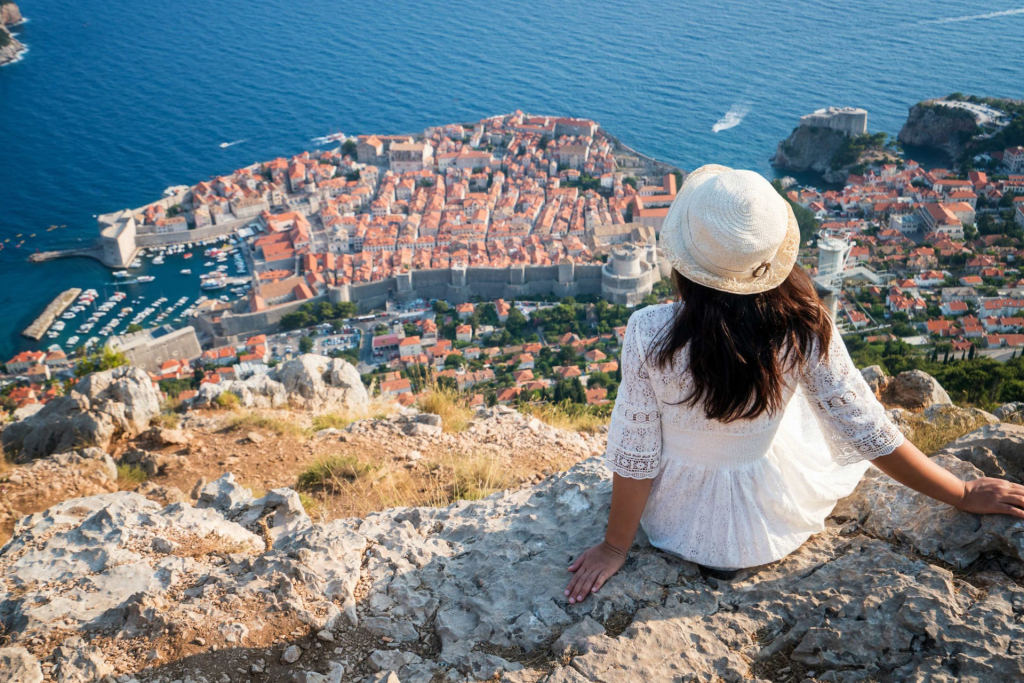
Tallinn, Estonia
Tallinn is often the easiest starting point for a Baltic solo trip. Its UNESCO-listed Old Town, charming streets, viewpoints, museums, and cafes make exploring alone simple and enjoyable. Travelers can combine medieval attractions with modern neighborhoods such as Kalamaja, known for creative spaces and local restaurants.
Read More: Best Things To Do In Rēzekne, Latvia (Travel Guide)
Trending Grand Tour Lithuania Vacation Package : The Grand Tour of Lithuania (13 Days, 12 Nights)
Why Visit Tallinn?
- It feels wonderfully unhurried: Tallinn has enough to explore without making you feel like you’re racing from one attraction to another.
- Medieval, but not stuck in the past: Stone lanes and old buildings sit alongside creative spaces, modern cafés, and contemporary design.
- Perfect for wandering: One of the best parts is simply choosing a street and seeing where it leads.
- Small city, big change of scenery: In a short time, you can move from the Old Town to colorful neighborhoods, peaceful parks, or the waterfront.
- It rewards curiosity: The city feels better when you explore beyond the obvious sights and notice small details—courtyards, stairways, local shops, and tucked-away cafés.
- A great place to slow down: Tallinn gives you plenty of opportunities to sit, walk, people-watch, and enjoy the atmosphere instead of constantly checking your itinerary.
- There’s a creative side to discover: Areas such as Kalamaja and Telliskivi add a completely different personality to the historic center.
- It works in every season: Snowy streets, bright summer evenings, colorful autumn walks, or crisp spring days can make the same city feel completely different.
- You can experience a lot without feeling overwhelmed: Tallinn is compact enough for a short trip but layered enough to keep you curious for several days.
- The biggest reason? Tallinn doesn't feel like a city you simply “tick off.” It feels like a place you gradually get to know
Riga, Latvia
Riga offers a larger city atmosphere with impressive Art Nouveau architecture, historic neighborhoods, markets, and a lively cultural scene. Solo visitors can enjoy walking tours, explore the Old Town, visit museums, and take day trips to nearby nature areas such as Gauja National Park.
Why Visit Riga?
- The architecture keeps surprising you: One street can feel medieval, while the next is filled with dramatic Art Nouveau buildings.
- It has a lived-in feel: Riga feels like a real working city rather than a destination built only around tourists.
- The Old Town is easy to explore: Wander without a strict plan and you’ll find quiet courtyards, tiny streets, and unexpected corners.
- Art Nouveau is everywhere: Looking up while walking around central Riga can be as rewarding as visiting a specific attraction.
- Food feels part of the experience: Riga Central Market is a great place to see the city through its everyday flavors and local produce.
- It has different personalities: Historic streets, wooden houses, lively cafés, and modern spaces give Riga more variety than you might expect.
- It’s a city for slow wandering: You can spend an afternoon exploring without needing to fill every hour with attractions.
- My favorite part: Riga feels slightly unexpected—you arrive for the architecture but stay curious about the neighborhoods and everyday life.
Vilnius, Lithuania
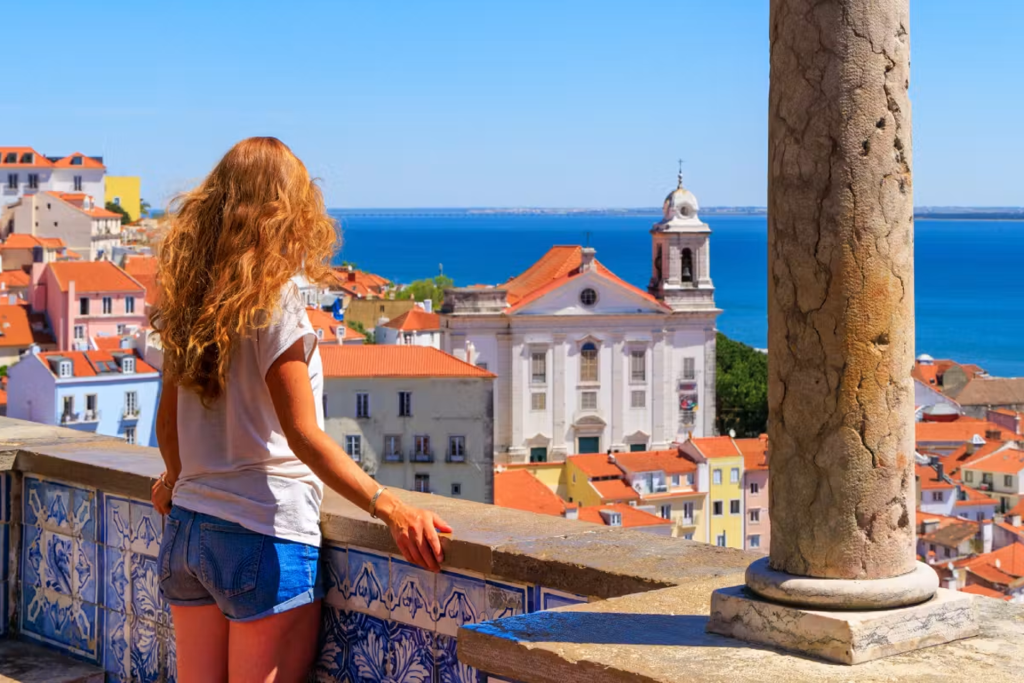
Vilnius is known for its baroque architecture, relaxed atmosphere, and one of Europe’s largest historic centers. Solo travelers can explore churches, local cafes, Užupis artistic district, and nearby attractions including Trakai Castle.
Read More: Lukiškės Prison 2.0 – All You Need to Know (Travel Guide)
Trending New Year Latvia Vacation Package : New Years in Riga December 4 Days / 3 Nights The Grand Tour of Lithuania (13 Days, 12 Nights)
Why Visit Vilnius?
- It feels green and spacious: Parks, hills, trees, and rivers regularly interrupt the historic streets, making the city feel surprisingly relaxed.
- The Old Town has layers: Gothic, Renaissance, Classical, and Baroque buildings sit close together, so every walk reveals a different visual detail.
- Užupis changes the mood: Cross into this quirky riverside neighborhood and the atmosphere suddenly becomes more artistic and unconventional.
- There are views worth chasing: Climbing to places such as Subačius or the Hill of Three Crosses gives you a completely different perspective of the city.
- It rewards getting slightly lost: Some of the nicest moments come from wandering away from the main streets and discovering quieter corners.
- History doesn't feel distant: Old churches, streets, neighborhoods, and modern life exist side by side rather than feeling separated.
- It has a creative edge: Art spaces, independent neighborhoods, markets, and contemporary food spots give Vilnius energy beyond its historic center.
- My favorite impression: Vilnius feels less like a city you rush through and more like one you slowly uncover.
Practical tips for traveling alone in the Baltics
A successful solo trip depends on preparation. Use these practical tips before and during your journey:
1. Plan your route: A popular route is Tallinn → Riga → Vilnius, but reverse routes work equally well.
2. Use public transportation: Buses and trains connect major cities and many smaller destinations.
3. Carry comfortable shoes: Historic areas often have cobblestone streets.
4. Download offline maps: They are useful when exploring smaller towns or nature areas.
5. Stay connected: Keep accommodation details and emergency contacts available.
6. Join local experiences: Walking tours, cooking classes, and cultural events are great ways to meet people.
7. Respect local customs: Learn a few basic greetings and follow local etiquette.
Baltics solo travel safety checklist
The Baltic countries are generally considered safe destinations for travelers, but normal precautions still apply. Keep valuables secure in crowded tourist areas, avoid accepting unofficial taxi services, and stay aware of your surroundings at night.
Before leaving home:
- Purchase travel insurance
- Check entry requirements
- Save copies of important documents
- Share your itinerary with someone you trust
- Keep emergency numbers available
When is the best time for solo travel in the Baltics?
The best time depends on your travel style. Summer offers long daylight hours, outdoor activities, and festivals. Spring and early autumn are excellent for fewer crowds and comfortable weather. Winter brings Christmas markets, snowy landscapes, and a quieter atmosphere, especially in historic city centers.
Sample 7-day Baltic solo itinerary
Day 1–2: Explore Tallinn, Estonia’s Old Town and creative districts.
Day 3–4: Travel to Riga and discover architecture, markets, and local neighborhoods.
Day 5–7: Continue to Vilnius, visit Trakai Castle, and enjoy Lithuania’s cultural highlights.
FAQs
Is the Baltics safe for solo travelers?
Yes, Estonia, Latvia, and Lithuania are popular with independent travelers. Like anywhere, visitors should use normal precautions such as protecting valuables and staying aware in busy areas.
Which Baltic country is best for first-time solo travelers?
Estonia is often a comfortable starting point because Tallinn is compact, easy to navigate, and well connected.
How many days do I need for a Baltic trip?
A one-week trip can cover the three capitals, while 10–14 days allows more time for nature, smaller towns, and cultural experiences.
Can I travel around the Baltics without a car?
Yes. Buses and trains connect major destinations, and many attractions in cities are accessible by walking or public transport.
Start planning your Baltic adventure with our Latvia travel guides →
Contact us today to begin planning your unforgettable adventure:
- Call us at (800) 778‑9847
- Email: info@vytistours.com
- Visit: vytistours.com
