

For a Baltic States tour, pack in layers and prepare for changing weather. Lithuania, Latvia, and Estonia have four distinct seasons, and coastal wind, rain, cool evenings, and sudden temperature changes can affect what you need. A practical year-round suitcase should include comfortable walking shoes, a waterproof outer layer, versatile layers, travel documents, medications, chargers, and a small day bag. Then adjust the list for the season: light layers for summer, rain protection for spring and fall, and insulated clothing for winter. Estonia’s official tourism guidance similarly recommends flexible layers and wind- and waterproof clothing because conditions can change quickly.
Baltic States packing checklist at a glance
Season | Weather to prepare for | Clothing essentials | Extra gear | Best approach |
Spring | Cool, windy, changeable, occasional rain | T-shirts, sweater, light jacket, trousers | Compact umbrella, waterproof shoes | Layers you can add/remove |
Summer | Mild to warm, occasional showers | T-shirts, light pants/shorts, thin sweater | Sunglasses, sunscreen, rain shell | Lightweight and breathable |
Fall | Cooler, rainy, shorter days | Long sleeves, fleece/cardigan, raincoat | Waterproof shoes, umbrella, light gloves | Prioritize rain and warmth |
Winter | Cold, windy, snow/ice possible | Thermal base layers, insulated coat, warm pants | Hat, gloves, scarf, winter boots | Warmth and traction first |
What to pack for spring in the Baltics
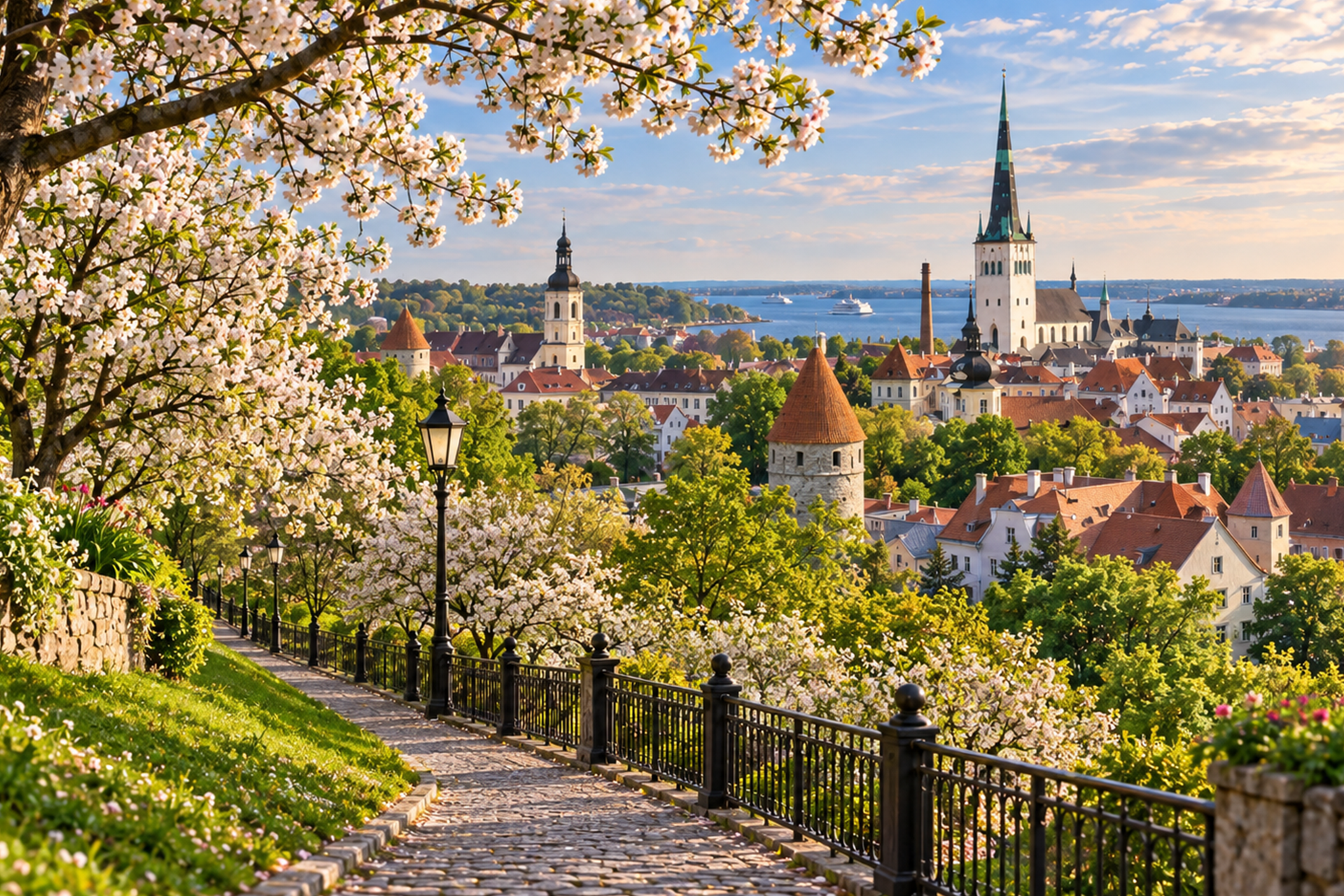
Spring is a transition season, so avoid packing as if the weather will stay consistently warm. Estonia’s official visitor guidance says spring weather can range from about 5°C to 17°C in Tallinn and recommends layers plus wind- and waterproof protection. Lithuania also describes spring as a distinct season with changing outdoor conditions.
- Light base layers: T-shirts, long-sleeve shirts and breathable tops.
- A fleece, cardigan or lightweight sweater for cool mornings.
- A windproof or waterproof jacket.
- Comfortable waterproof or water-resistant walking shoes.
- Compact umbrella and sunglasses.
- Light scarf and, for early spring, thin gloves.
For a multi-city itinerary, choose pieces that work together rather than packing a separate outfit for every day. Spring is also a good time for museums, historic Old Towns and outdoor walks, so versatile footwear matters.
What to pack for summer in the Baltics
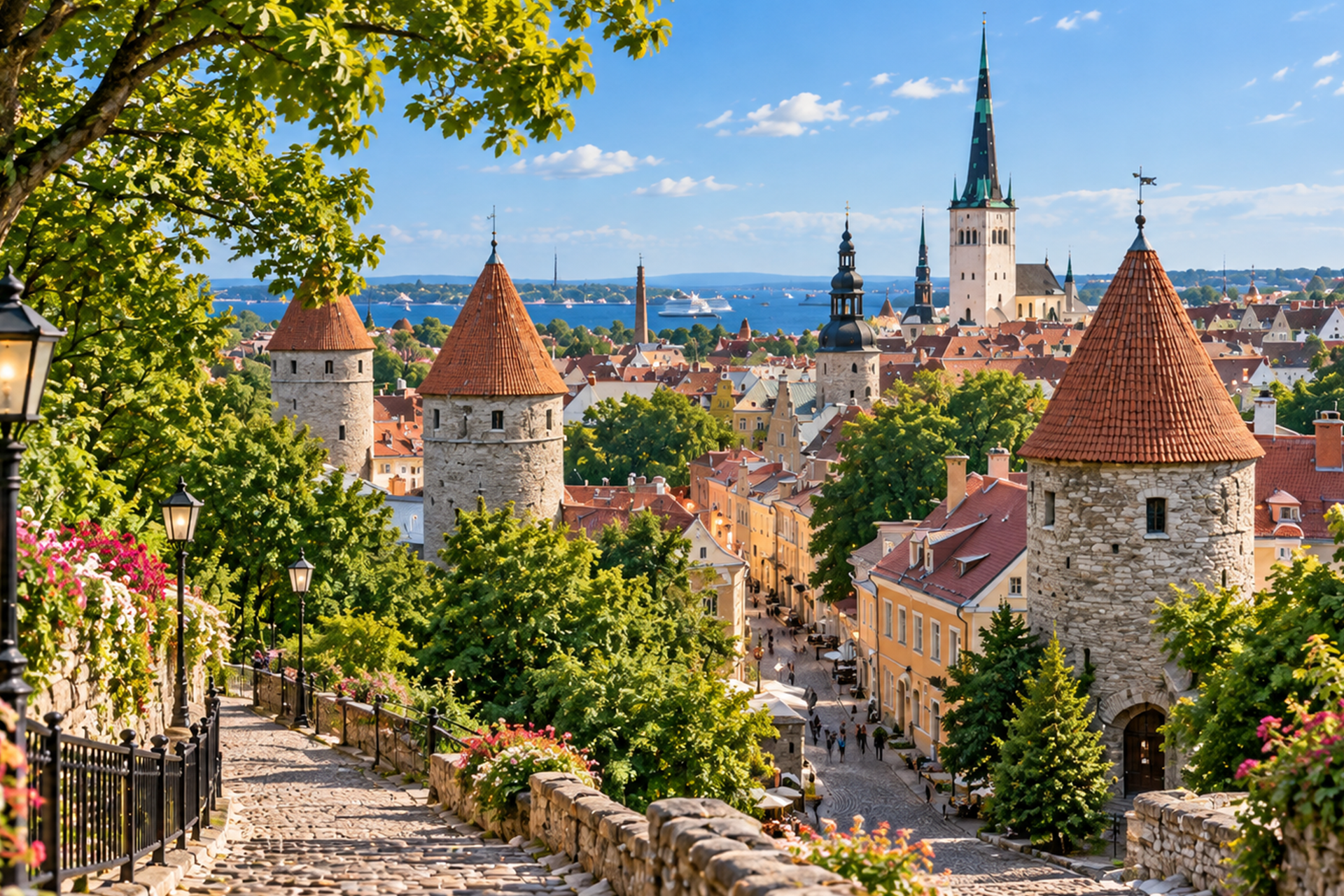
Summer is generally the easiest season for a Baltic States tour, but do not assume every day will be hot. Visit Estonia describes June through August as the main summer period, with long evenings and opportunities for beaches, islands, hiking and outdoor dining. Lithuania Travel notes that July averages about 17.9°C, although temperatures can reach 30°C on some days.
- Lightweight T-shirts and breathable tops.
- Shorts, lightweight trousers or skirts/dresses.
- A thin sweater, cardigan or hoodie for cool evenings.
- A light waterproof shell for showers.
- Comfortable sneakers or walking shoes.
- Sunglasses, sunscreen and a hat.
- Swimsuit if you plan to visit beaches, lakes or saunas.
Pack at least one warmer layer even in midsummer. Tallinn’s seaside location can bring a noticeable breeze, and official city guidance recommends having something light to throw over your shoulders.
Trending Grand Tour Lithuania Vacation Package The Grand Tour of Lithuania (13 Days, 12 Nights)
What to pack for fall in the Baltics
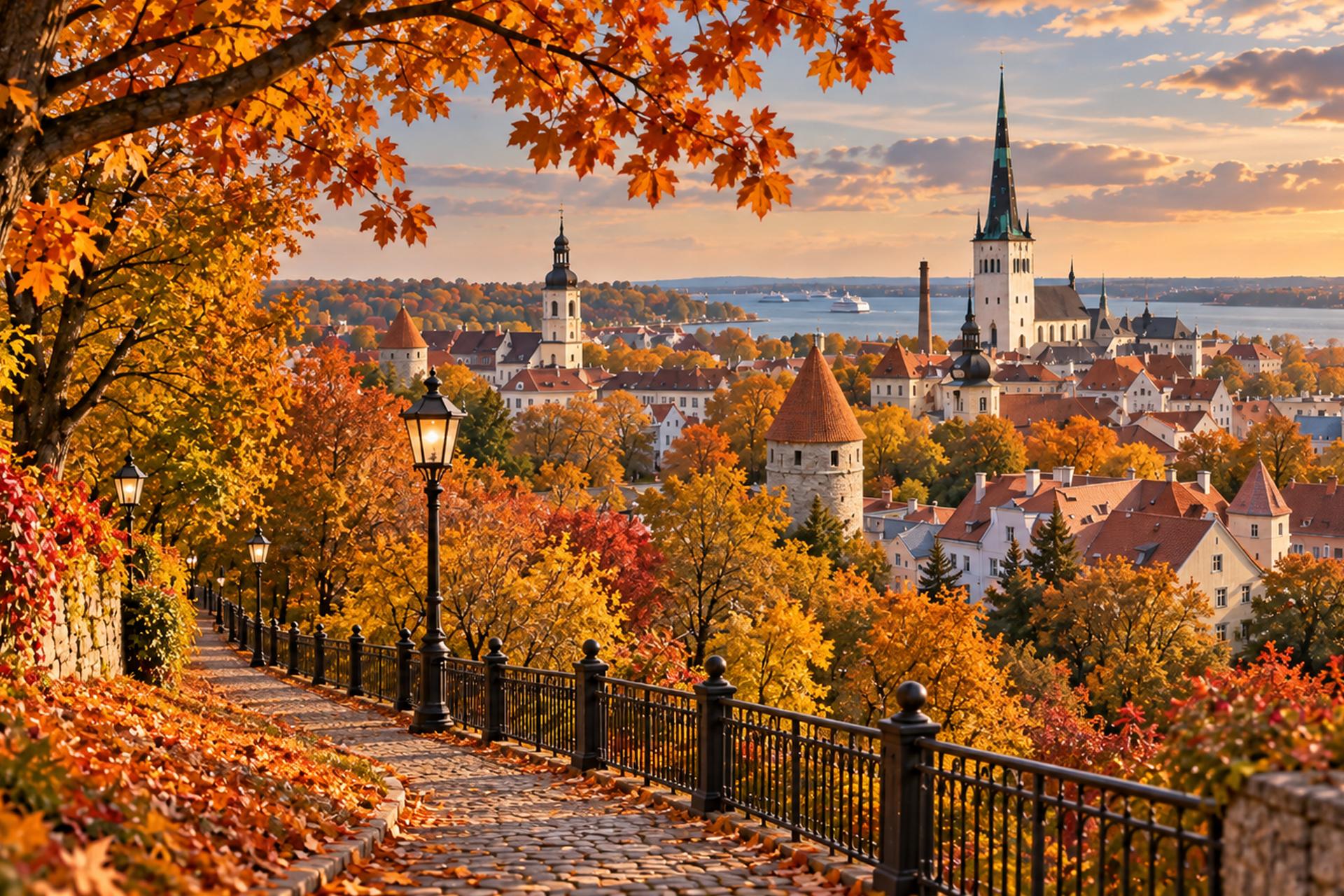
Fall is one of the most useful seasons for a flexible packing list because conditions can shift quickly. Tallinn’s official guidance describes September as potentially mild before temperatures generally cool toward late fall, with rain and even snow possible toward the end of November. Latvia also has a distinct fall season, with forests and outdoor landscapes becoming a major attraction.
- Long-sleeve shirts and breathable base layers.
- Jeans or other comfortable trousers.
- Fleece, sweater, or cardigan.
- Waterproof rain jacket or coat.
- Water-resistant walking shoes or boots.
- Compact umbrella.
- Scarf and light gloves for late fall.
If your itinerary includes hiking or national parks, prioritize footwear with good grip. For city trips, waterproof sneakers or ankle boots can be more versatile than heavy hiking boots.
What to pack for winter in the Baltics
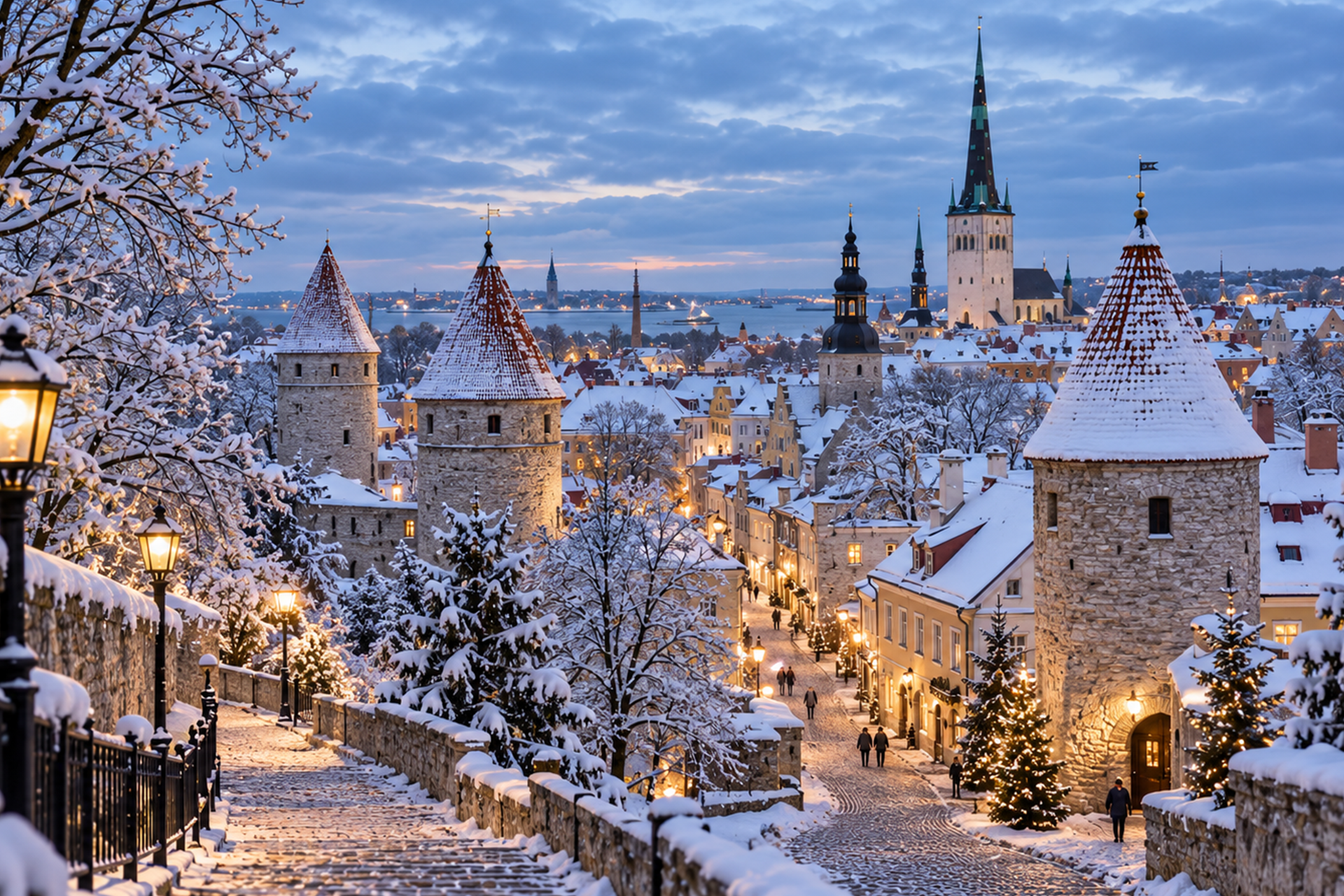
Winter requires the biggest change in your packing strategy. Latvia’s tourism authority notes that winter temperatures can sometimes reach -30°C, while Lithuania warns that temperatures can occasionally fall to -20°C or lower. [6][4] Estonia’s official Tallinn guidance recommends an insulated waterproof parka or coat, wool hat, mittens, scarf and snow or lined trekking boots.
- Insulated winter coat or waterproof parka.
- Thermal or moisture-wicking base layers.
- Warm mid-layer such as fleece or wool.
- Insulated trousers or warm pants.
- Wool or thermal socks.
- Warm waterproof boots with good traction.
- Hat that covers the ears, insulated gloves or mittens, and a
- Lip balm and moisturizer for cold, dry conditions.
- Reflective accessory if you will be walking in dark winter conditions.
Winter footwear is especially important. Historic centers in Tallinn, Riga, and Vilnius can involve cobblestones, and snow or ice can make walking less comfortable. Choose warmth and traction over fashion when necessary.
Essential items for every Baltic States tour
- Passport and any required travel documents.
- Travel insurance information and emergency contacts.
- Prescription medications in their original packaging, plus a small personal first-aid kit.
- Phone, charging cable, and a suitable power adapter.
- Portable power bank for long sightseeing days.
- Reusable water bottle.
- Small daypack or crossbody bag.
- Copies or secure digital backups of important reservations and documents.
- Laundry bag and a few reusable packing cubes.
The Baltics are well suited to walking-heavy itineraries, so a small day bag can be more useful than carrying a large backpack around historic centers. Pack medications and essential documents in your carry-on rather than checked luggage.
What shoes should you pack for Estonia, Latvia and Lithuania?
Bring comfortable walking shoes with good grip and some resistance to rain. If you are traveling in winter, use insulated waterproof footwear with traction. If you are traveling in summer, breathable sneakers can handle most city sightseeing, while sandals can be useful for beaches or relaxed days.
Avoid packing shoes that are stylish but uncomfortable. Tallinn, Riga and Vilnius all reward travelers who explore on foot, and historic streets may include uneven or cobbled surfaces.
How to pack light for a multi-country Baltic trip
- Use a three-layer clothing system: base layer, warm mid-layer and weatherproof outer layer.
- Choose neutral, mix-and-match clothing so fewer pieces create more outfits.
- Pack one main pair of walking shoes and add a second pair only if your activities require it.
- Use packing cubes to separate clothing, electronics and toiletries.
- Check the forecast for each city shortly before departure instead of relying only on seasonal averages.
- Leave space for souvenirs, especially if visiting markets, craft shops or winter fairs.
This approach is particularly useful because Estonia, Latvia and Lithuania can have similar but not identical conditions. You do not need three separate wardrobes; you need adaptable clothing.
Common Baltic packing mistakes to avoid
- Packing only for the forecasted high temperature and ignoring wind or rain.
- Bringing too many bulky clothes instead of using layers.
- Taking uncomfortable shoes for Old Town sightseeing.
- Forgetting a waterproof outer layer in summer.
- Underestimating winter darkness and cold.
- Putting essential medication or travel documents in checked luggage.
FAQs about packing for the Baltics
Do I need a winter coat for Estonia, Latvia and Lithuania?
If you are traveling during the colder part of winter, yes. Choose an insulated, wind-resistant and preferably waterproof coat. Add thermal layers, warm socks, gloves, a hat and insulated boots. Winter conditions can be substantially below freezing in all three countries.
What shoes are best for a Baltic trip?
Comfortable walking shoes with good grip are the best all-purpose option. For wet seasons, choose water-resistant footwear; for winter, use insulated waterproof boots with traction.
Is an umbrella necessary in the Baltics?
It is useful, but a compact rain jacket can be more practical when it is windy. Tallinn’s official guidance recommends both rain protection and attention to wind, particularly because of its coastal location.
Should I pack differently for Tallinn, Riga and Vilnius?
The basic packing strategy is similar, but adjust for your activities and timing. Coastal Tallinn may feel breezy, while your itinerary in Lithuania or Latvia may include more countryside, beaches or hiking. Check city-specific forecasts shortly before departure.
Travel note
Weather, transportation, opening hours and entry requirements can change. Check official tourism, transportation and government sources close to your travel dates for current information.
The bottom line
The best Baltic States packing list is flexible rather than bulky. Build your suitcase around layers, comfortable walking shoes and protection from wind and rain, then add season-specific gear. Summer calls for lightweight clothing and a warmer layer; spring and fall need rain protection; winter requires insulated clothing, warm accessories and grippy footwear.
Before you leave, check the latest forecast for Tallinn, Riga and Vilnius, confirm your transportation and accommodation details, and keep your essential documents and medications accessible. With a smart, adaptable packing list, you can spend less time worrying about weather and more time exploring the Baltic capitals, coastline, forests and historic towns.
Start planning your Baltic adventure with our Latvia travel guides →
Contact us today to begin planning your unforgettable adventure:
- Call us at (800) 778‑9847
- Email: info@vytistours.com
- Visit: www.vytistours.com
