


For a first visit, start your accommodation search in Riga’s Old Town or the nearby central district, Centrs. These are useful bases if you want to spend much of your time sightseeing, eating out and exploring on foot.
The best choice depends on how you plan to use your days. Old Town puts historic streets on your doorstep. Centrs offers a broader city experience, while the Quiet Centre appeals to travelers interested in Art Nouveau architecture and a less nightlife-focused setting. Across the Daugava River, Āgenskalns and Ķīpsala offer different surroundings, with additional travel to factor into your plans.
This guide explains where to stay in Riga, what each area offers and which details to check before booking.
Old Town: Best for a Short First Visit
Old Town, or Vecrīga, is a strong choice if you want to step outside and begin sightseeing. Its historic streets, churches, squares and cafés make it particularly appealing for a short stay. By evening, the area also becomes a gathering place for restaurant and bar visitors.
The convenience is easy to appreciate: you can return to your room between activities without planning another journey.
Choose the property carefully if sleep is a priority. Check recent reviews for comments about nearby venues and ask which direction your room faces. A courtyard-facing room may suit you better than one overlooking an active square, although the hotel should confirm the actual conditions.
Cobbled streets can also affect the final approach with a suitcase or stroller. Ask about vehicle drop-off and entrance access before booking.
Choose Old Town if: historic surroundings and easy returns to your accommodation matter most.
Centre: Best for a Flexible City Base
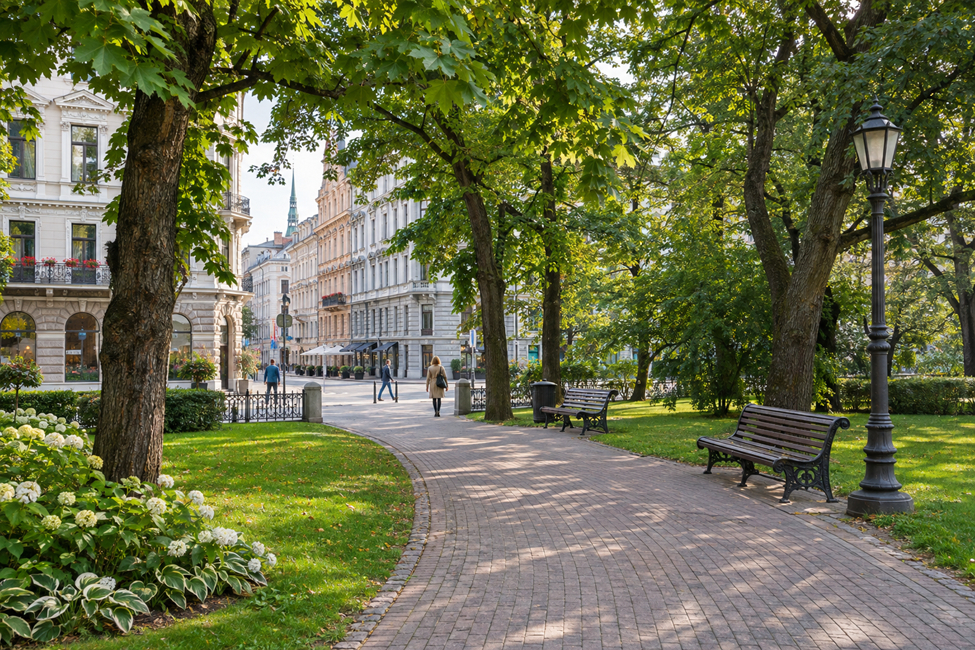
Centrs is worth considering when you want to combine Old Town sightseeing with parks, shopping streets and time elsewhere in central Riga.
For a starting search area, look around Vērmanes Garden and then compare exact addresses against your itinerary. The park provides benches, a playground and space for a break between activities.
The main booking issue is scale. A property described as “Riga city centre” may be close to your chosen sights or considerably farther away. Map the walk to the places you expect to visit most often, including where you plan to have dinner.
Centrs can work well for several nights because it gives you a central base without requiring every day to revolve around the medieval streets. However, traffic-facing rooms and nearby venues still deserve attention.
Choose Centrs if: you want a balance of sightseeing access and a wider city setting.
Quiet Centre: Best for Art Nouveau and Calmer Evenings
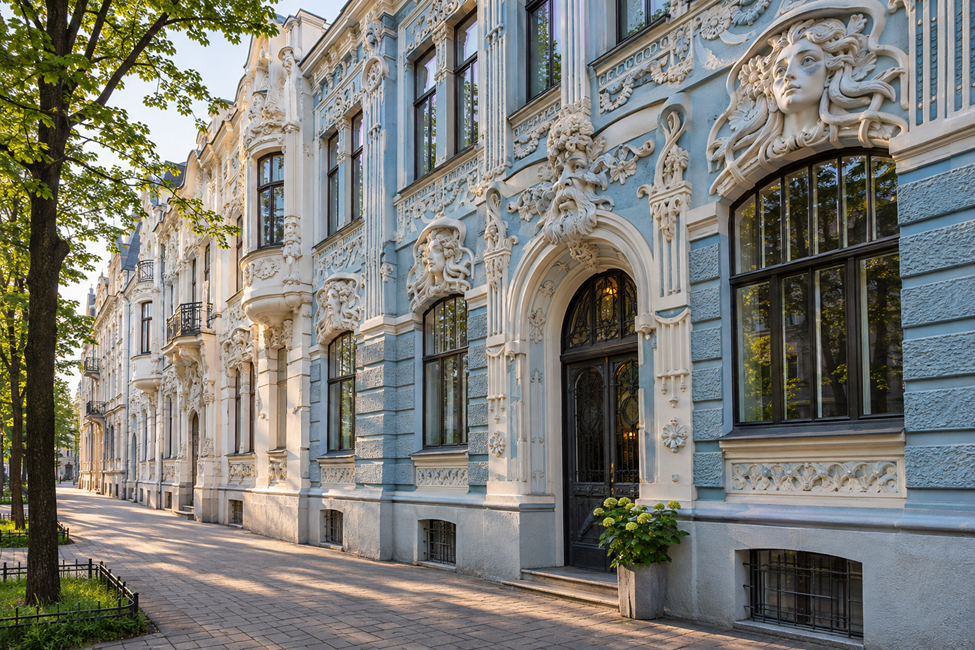
The Quiet Centre, or Klusais centrs, is associated with Riga’s Art Nouveau architecture, particularly around Alberta iela and nearby streets. LiveRiga identifies this area as a principal concentration of the city’s ornate early twentieth-century buildings.
It is an appealing option if architecture walks are part of your plans or you prefer to return to accommodation away from the busiest Old Town evening venues.
The name is a guide to the area’s character, rather than a promise about every room. Check for traffic, construction and nearby businesses just as you would elsewhere.
Walking access depends on the address. Compare your route to Old Town, especially if you expect to make the journey several times a day or prefer shorter walks.
For more background on the streets around your accommodation, read our guide to Art Nouveau in Riga.
Choose the Quiet Centre if: architecture and a calmer central setting are priorities.
Central Station and Market Area: Best for Transport Connections
Accommodation near Riga Central Station or the International Bus Station can be practical when you have an early departure, a late arrival or several journeys planned during your stay.
The International Bus Station is next to Riga Central Market and a short walk from Old Town, according to the city’s official tourism information. This makes the surrounding area useful for travelers continuing between the Baltic capitals.
Look beyond a listing’s “near the station” description. Check which station it means, where the entrance is and how you will reach it with luggage. Road crossings and the final approach can matter more than a short straight-line distance.
Compare accommodation here with properties toward the Old Town edge or nearby Centrs. You may be able to keep convenient transport access while finding a room that better matches your preferred surroundings.
Choose this area if: rail or coach access is an important part of your itinerary.
Āgenskalns: Best for Markets and a Neighborhood Stay
Āgenskalns lies on the left bank of the Daugava. Its market is a useful focal point, bringing together local produce, food stalls and places to eat within a restored historic pavilion.
A stay here can suit travelers who want their visit to include everyday neighborhood life as well as the main sights. Nearby Kalnciema Quarter adds another reason to explore this side of the river, with its market and wooden architectural setting.
Check the property’s nearest stop and the journey to your planned activities. Being in Āgenskalns does not mean every attraction across the river is equally convenient.
For a first visit lasting only a night or two, weigh the setting against the extra journeys. For a longer stay, you may welcome having a different part of Riga around your accommodation.
Choose Āgenskalns if: markets and neighborhood exploration are part of the experience you want.
Ķīpsala: Best for Riverside Surroundings
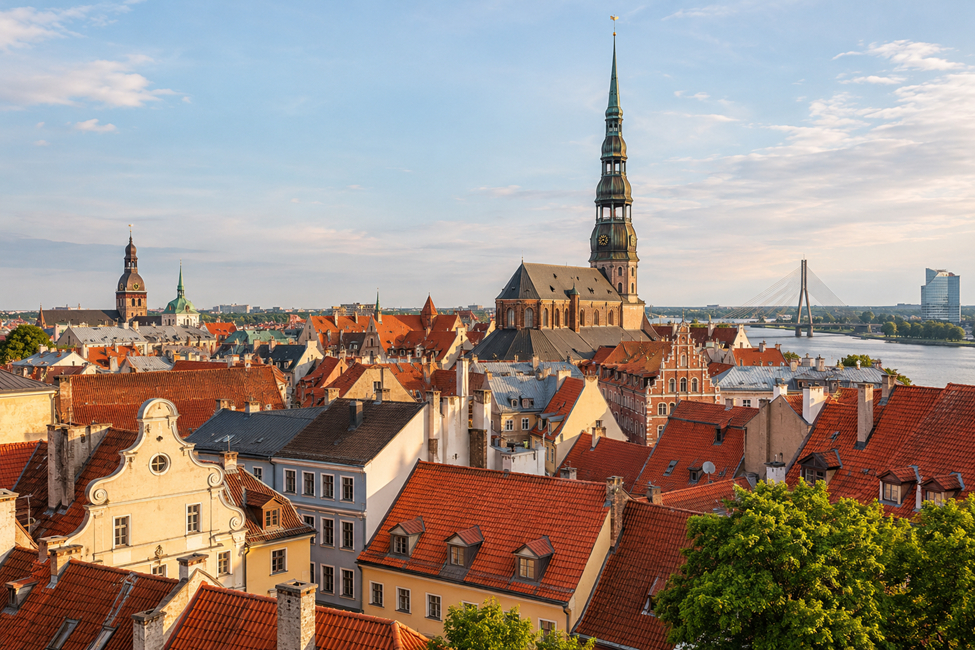
Ķīpsala is an island in the Daugava, connected to central Riga by Vanšu Bridge. Its public waterfront areas offer views toward the city, while the island combines residential and academic surroundings.
Consider it if the river setting is a meaningful part of your accommodation choice. Remember that a property on the island does not automatically include a river-view room; confirm the room category before paying for that expectation.
Map your route to Old Town and check nearby bus or trolleybus options. Think about the return journey as well as the morning departure, particularly if you plan several late evenings in the center.
If you have a car, verify parking directly with the property rather than assuming an across-river location includes it.
Choose Ķīpsala if: you value the island setting and are comfortable planning access to central sights.
What to Check Before Booking Accommodation in Riga
Once you have chosen an area, assess the individual property. A suitable room on the right street matters more than a neighborhood label.
Location and Arrival
Map the entrance against your arrival point and your first sightseeing destination. For a late check-in, confirm reception hours or obtain clear apartment-entry instructions.
Riga’s airport is served by bus 22, with a separate N22 night service. Check the current route and timetable against your arrival time and accommodation address.
Comfort and Accessibility
Ask about the details you need rather than relying on broad labels such as “family-friendly” or “accessible.”
Useful questions include:
- Is there step-free access from the street to the room?
- Does the elevator serve the booked floor?
- Does the family room have separate beds or a sofa bed?
- Can the hotel provide a room away from nearby evening venues?
- Are heating and cooling arrangements suitable for your travel dates?
For a longer apartment stay, confirm kitchen equipment and laundry access if those facilities affect your choice.
Total Cost
Compare budget accommodation in Riga using the complete price for your dates. Include breakfast, parking, cleaning charges, cancellation terms and any additional fees shown before payment.
Also consider transport. A cheaper room may offer less value if its location adds repeated journeys or makes your itinerary harder to manage.
Avoid assuming one district is always cheaper than another. Room type, booking conditions, events and travel dates can change the comparison.
Choosing Your Riga Base
For a straightforward first visit, begin with Old Town and nearby Centrs. Compare the Quiet Centre if Art Nouveau streets and calmer evenings appeal to you. Look near the stations when onward transport matters, or across the river if Āgenskalns or Ķīpsala fits the way you want to spend your time.
Before making the final choice, use our guide to things to do in Riga to map your main activities. The best accommodation base is the one that makes your own itinerary easier.
If Riga forms part of a wider Baltic holiday, request an itinerary quote from Vytis Tours and share your accommodation preferences alongside your travel plans.
Frequently Asked Questions
Do you need a car when staying in Riga?
For a visit focused on central sightseeing, start by planning around walking and public transport. Consider a rental car separately for countryside travel, and confirm parking before bringing one to your accommodation.
Should I stay in Riga or Jūrmala?
Choose Riga when city sightseeing is the priority. Jūrmala is better considered for a seaside or spa stay. If you want both experiences, compare a day visit with adding separate nights rather than committing to a daily commute.
Is it worth changing accommodation during a short Riga stay?
Usually, keeping one base is simpler for a short visit. Changing properties takes time and creates another luggage-storage or check-in arrangement. A move is more useful when it supports a distinct second part of the holiday.
