


Planning a trip to Estonia? One of the first decisions worth making is where to stay in Tallinn. Although the Estonian capital is relatively compact, its neighborhoods offer very different experiences. You can wake up surrounded by medieval architecture in Old Town, spend your evenings exploring independent cafés in Kalamaja, or enjoy a quieter atmosphere near the parks and waterfront.
Choosing the right neighborhood can make your visit more comfortable, especially if you are traveling from the United States or Canada and have limited time to explore the city.
The good news is that Tallinn offers accommodation options for different travel styles, from historic boutique properties and modern city hotels to apartments in residential neighborhoods. The challenge is deciding which location best matches your plans.
In this guide, we explore seven of the best areas to stay in Tallinn, what makes each neighborhood special, and which types of travelers may enjoy them most. Whether this is your first European vacation or another stop on a Baltic adventure, you will have a clearer idea of where to begin your search.
Quick Comparison: Best Areas to Stay in Tallinn
Before looking at each neighborhood in detail, it helps to understand what makes them different.
| Neighborhood | Best For | General Atmosphere |
|---|---|---|
| Tallinn Old Town | First-time visitors and history lovers | Medieval and lively |
| Rotermann Quarter | Convenience and modern accommodation | Contemporary and central |
| Kalamaja | Local experiences and relaxed stays | Creative and residential |
| Telliskivi | Restaurants, art and nightlife | Trendy and energetic |
| Kadriorg | Families and quieter vacations | Green and peaceful |
| Noblessner | Waterfront experiences and dining | Modern and maritime |
| Pirita | Beaches and outdoor activities | Coastal and relaxed |
If you are visiting Tallinn for the first time and want to explore its main attractions without spending too much time traveling, Old Town and Rotermann are excellent starting points. Travelers who prefer a neighborhood atmosphere may find Kalamaja more appealing, while Kadriorg and Pirita offer a different pace.
1. Tallinn Old Town (Vanalinn): Best for First-Time Visitors
For many travelers, Tallinn Old Town is the natural starting point when deciding where to stay in the city. Known locally as Vanalinn, this historic district is famous for its medieval streets, preserved architecture, churches, towers and picturesque squares.
The Historic Centre of Tallinn is recognized as a UNESCO World Heritage Site. Its history dates back to the medieval trading period, and much of its architectural character remains remarkably well preserved.
Staying here allows visitors to experience the city’s historic atmosphere from the moment they leave their accommodation.
What Makes Old Town Special?
Old Town is home to some of Tallinn’s most recognizable attractions, including:
- Town Hall Square (Raekoja plats), the historic heart of the district.
- Toompea Hill, known for its panoramic views across the city.
- Alexander Nevsky Cathedral, an impressive Orthodox landmark.
- Olaf’s Church, one of the city’s distinctive historic buildings.
- Medieval city walls and defensive towers.
- Historic cafés, restaurants and small independent shops.
One of the biggest advantages of staying in this neighborhood is convenience. Many major sightseeing attractions are within walking distance, making it possible to explore much of the historic centre without relying on public transportation.
The area is particularly enjoyable for couples, photographers and travelers interested in European history and architecture.
Accommodation and Atmosphere
Accommodation in Old Town ranges from boutique properties in historic buildings to comfortable guesthouses and modernized hotels.
Some properties occupy centuries-old buildings, giving guests an opportunity to experience the city’s architectural character beyond its museums and public squares.
However, historic accommodation can come with practical considerations. Rooms and layouts may vary, some buildings have stairs rather than convenient elevator access, and cobblestone streets can make handling heavy luggage less comfortable.
Things to Consider Before Booking
Old Town is one of Tallinn’s busiest visitor areas, particularly during the summer travel season. Restaurants, bars and popular squares can become lively in the evenings. If you prefer quiet surroundings, check accommodation reviews for comments about street noise and ask whether your room faces a busy street.
Best for: First-time visitors, couples, history enthusiasts, photographers and travelers planning a short city break.
2. Rotermann Quarter: Best for Modern Hotels and Convenience
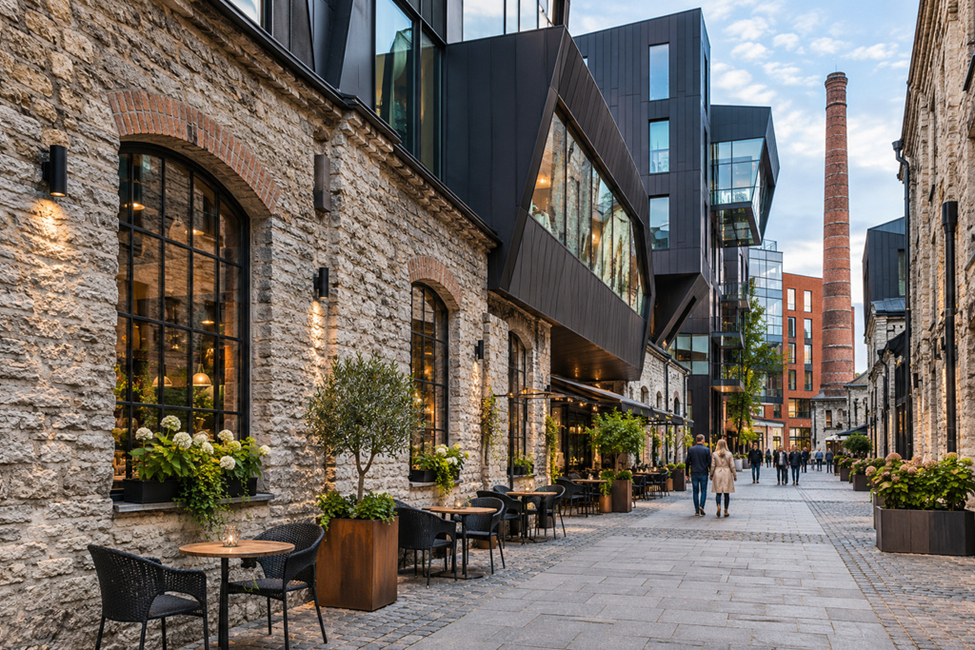
If you enjoy contemporary architecture, restaurants and easy access to major attractions, the Rotermann Quarter is another excellent place to consider. Located between Tallinn’s Old Town and its harbour area, Rotermann offers a noticeably different atmosphere from the medieval centre. The neighborhood was once associated with industrial activity. Today, its restored industrial buildings, modern architecture, restaurants and shopping spaces have transformed it into one of the city’s most recognizable contemporary districts.
Why Choose Rotermann?
One of the biggest advantages of staying in Rotermann is its location. Visitors can explore the historic Old Town while also enjoying the conveniences of a modern city district. Restaurants, cafés, shopping areas and transport connections are easily accessible. The neighborhood is particularly suitable for travelers who want to balance sightseeing with comfortable accommodation and dining options.
It can also be a practical base for people visiting Tallinn for business or attending events in the city.
Things to Explore Nearby
While staying in Rotermann, consider visiting:
- Rotermann’s restored industrial architecture.
- Viru Keskus shopping centre.
- The nearby Tallinn Old Town.
- Restaurants and cafés throughout the district.
- The harbour area and surrounding waterfront spaces.
The district is also convenient for travelers planning to arrive or depart by ferry, depending on their terminal and accommodation location.
What Should You Consider?
Rotermann offers a modern urban experience rather than the traditional medieval atmosphere associated with Tallinn. The wider city centre also covers a larger area than visitors sometimes expect. Before booking, check the exact location of the property rather than assuming every city-centre accommodation option is equally close to Old Town.
Best for: First-time visitors who prefer modern accommodation, couples, business travelers, shoppers and visitors who value convenient connections.
3. Kalamaja: Best for Local Experiences and Longer Stays
Travelers who want to experience a more residential side of Tallinn should consider Kalamaja. Located northwest of the historic centre, Kalamaja is known for its colorful wooden houses, independent cafés, bakeries, creative spaces and relaxed atmosphere. It has a distinct personality compared with the busier tourist areas. Rather than feeling like a traditional sightseeing district, Kalamaja gives visitors an opportunity to experience everyday neighborhood life while remaining relatively close to central Tallinn.
What Makes Kalamaja Different?
Historically associated with fishing, industry and working-class communities, Kalamaja has developed into one of the city’s most interesting residential and cultural neighborhoods. Its traditional wooden architecture is one of its defining features. Walking through its streets reveals colorful houses, renovated buildings and quiet residential corners.
The area is also known for its cafés, restaurants and independent businesses.
Nearby attractions include:
- Balti Jaam Market, a popular destination for food, local products and vintage shopping.
- Telliskivi Creative City, known for cultural events and independent businesses.
- The Seaplane Harbour maritime museum.
- Small cafés, bakeries and restaurants.
- The surrounding waterfront and historic industrial areas.
Is Kalamaja Convenient for Tourists?
Yes, particularly for visitors who enjoy walking. Kalamaja is close enough to central Tallinn that visitors can explore Old Town and other attractions without necessarily needing transportation for every journey. Public transport provides additional convenience when visiting other parts of the city. The neighborhood is also worth considering for longer stays. Travelers spending several days in Tallinn may appreciate its quieter residential streets and variety of local dining options.
Things to Consider Before Booking
Kalamaja is not the same as staying inside Old Town. You will need to walk or use public transportation to reach some of Tallinn’s main attractions. Accommodation choices can also be more spread out, so check the surrounding streets and transport connections before making a reservation.
Best for: Repeat visitors, couples, independent travelers, digital nomads, café enthusiasts and people planning longer stays.
4. Telliskivi: Best for Food, Art and Nightlife
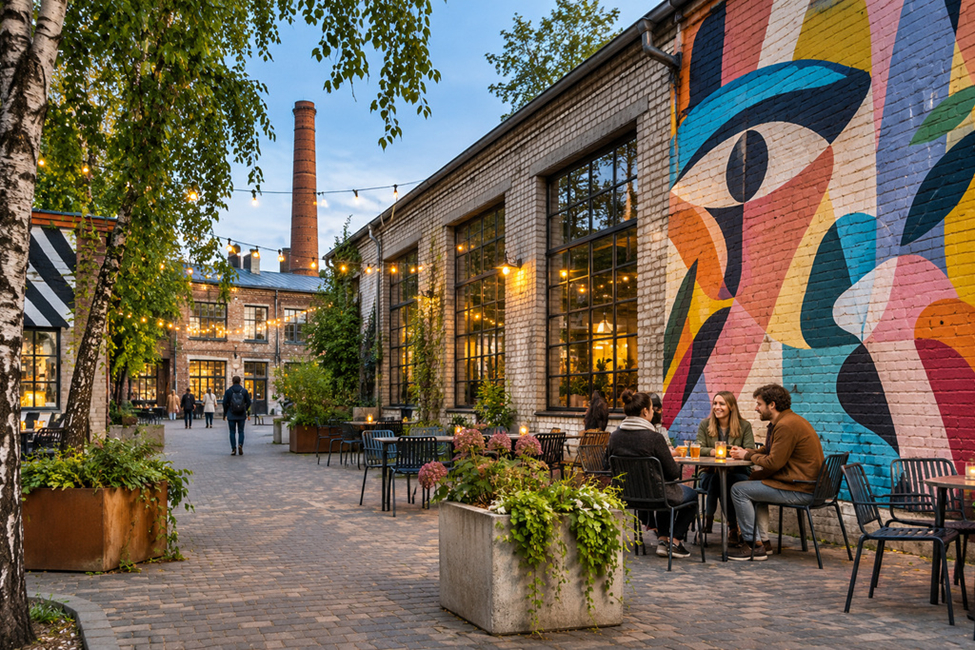
Telliskivi is one of Tallinn’s most recognizable creative districts and is closely associated with the wider Kalamaja area. If your ideal vacation includes independent restaurants, art galleries, interesting shops and lively evenings, this neighborhood deserves a place on your accommodation shortlist. The area developed around former industrial buildings, many of which have been transformed into cultural venues, restaurants, creative studios and event spaces.
Exploring Telliskivi Creative City
Telliskivi Creative City is the main attraction in this district. It brings together independent businesses, cultural spaces, restaurants, design shops and creative communities. Visitors can spend several hours exploring the area without following a traditional sightseeing itinerary.
Some of the experiences worth looking for include:
- Independent cafés and restaurants.
- Local design and craft shops.
- Art exhibitions and creative events.
- Street art and industrial architecture.
- Bars and nightlife venues.
- Seasonal markets and community events.
The area is particularly appealing to younger visitors and travelers who prefer discovering local culture beyond traditional tourist attractions.
Who Should Stay in Telliskivi?
Telliskivi is worth considering if you enjoy having restaurants and cultural activities nearby. It also offers convenient access to Kalamaja and Balti Jaam Market, while Old Town remains reachable on foot or by public transport. For couples and groups of friends, the neighborhood provides a more contemporary alternative to the historic centre.
What to Consider Before Booking
Telliskivi’s lively atmosphere is part of its appeal, but it may not suit everyone. Some streets can become busy during evenings and events. Travelers who prefer early nights should check the location of their accommodation and look for reviews mentioning noise.
Best for: Food enthusiasts, younger travelers, art lovers, nightlife enthusiasts and visitors interested in Tallinn’s contemporary culture.
5. Kadriorg: Best for Families and Peaceful Stays
For visitors who prefer green spaces, quieter streets and a more relaxed atmosphere, Kadriorg is an excellent neighborhood to explore. Located east of the city centre, Kadriorg is known for its historic park, elegant architecture, museums and residential surroundings.
It offers a completely different experience from the busy streets of Old Town.
What Makes Kadriorg Special?
The neighborhood developed around Kadriorg Palace and its surrounding park, established under Peter the Great in the early eighteenth century. Today, the area is one of Tallinn’s most attractive places for leisurely walks and cultural exploration.
Some notable attractions include:
- Kadriorg Palace and its surrounding gardens.
- Kadriorg Park.
- Kumu Art Museum.
- The Mikkel Museum.
- The Children’s Museum Miiamilla.
- Quiet streets lined with historic architecture.
Kadriorg is especially attractive during spring and summer when its green spaces and walking paths become popular with residents and visitors.
Is Kadriorg Suitable for Families?
Families may appreciate Kadriorg because of its parks, museums and comparatively relaxed atmosphere. Children can enjoy outdoor activities, while adults can explore the area’s cultural attractions and cafés. The neighborhood also provides a comfortable alternative for travelers who prefer to stay away from busy nightlife districts. However, families should consider how frequently they plan to visit Old Town and other central attractions. Depending on the accommodation’s location, walking or using public transportation may be necessary.
Things to Consider Before Booking
Kadriorg is not as centrally positioned as Old Town or Rotermann. Although transport connections make it accessible, visitors planning a short sightseeing-focused vacation may prefer a more central location.
Best for: Families, couples, museum enthusiasts, older travelers and visitors who prefer a peaceful residential environment.
6. Noblessner: Best for Waterfront Experiences
Noblessner is one of Tallinn’s interesting modern waterfront districts. Located northwest of the city centre, the area has transformed from a historic shipbuilding site into a contemporary destination featuring restaurants, cultural spaces, modern buildings and seaside promenades.
For visitors who enjoy waterfront surroundings and modern urban design, Noblessner offers a distinctive alternative to Tallinn’s traditional accommodation districts.
What Can You Experience in Noblessner?
The neighborhood combines maritime history with contemporary development.
Visitors can enjoy:
- Waterfront walking paths.
- Restaurants and cafés overlooking the harbour.
- Modern architecture.
- Cultural attractions and exhibitions.
- Seaside views and outdoor spaces.
- Nearby maritime heritage attractions.
One notable nearby attraction is the Seaplane Harbour, which provides an opportunity to learn more about Estonia’s maritime history.
Who Should Stay Here?
Noblessner may appeal to couples, repeat visitors and travelers who want to experience a less traditional side of Tallinn. It is also worth considering for visitors who enjoy exploring new restaurants, taking waterfront walks and spending time outside the busiest tourist districts.
Things to Consider Before Booking
Although Noblessner is connected to the wider Kalamaja area, it is not as centrally located as Old Town or Rotermann. Travelers planning to spend most of their time visiting medieval landmarks should consider the additional walking or transportation involved.
Accommodation availability and convenient connections should also be checked for the specific property.
Best for: Couples, design enthusiasts, waterfront lovers, repeat visitors and travelers seeking a contemporary atmosphere.
7. Pirita: Best for Beaches and Outdoor Activities
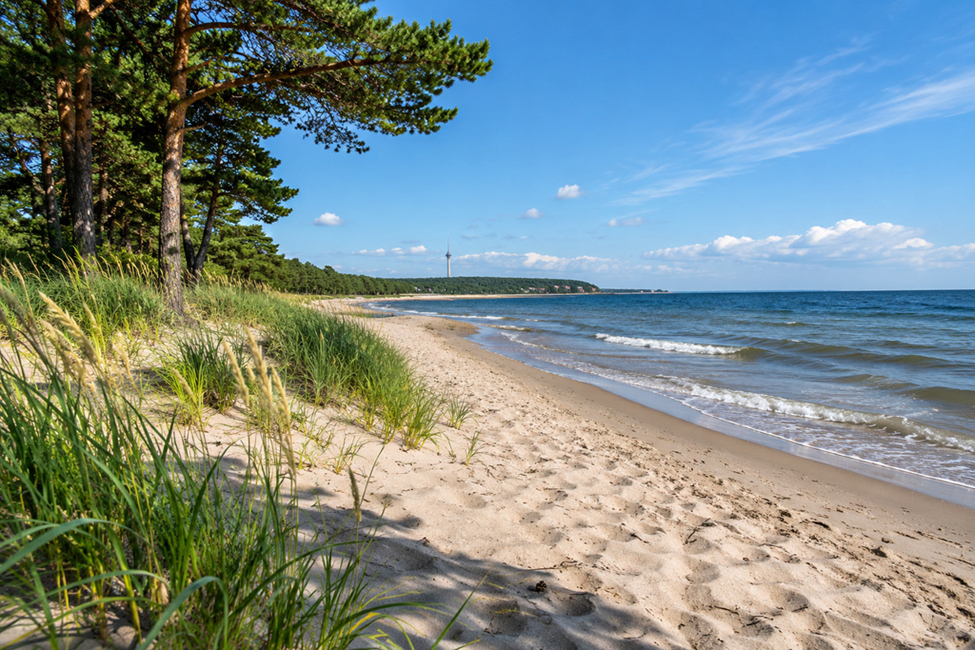
If you are visiting Tallinn during the warmer months and prefer coastal surroundings, Pirita may be worth considering. Located northeast of the city centre, Pirita is known for its beach, seaside atmosphere, green spaces and outdoor recreational opportunities. It provides a different experience from the historic and urban neighborhoods closer to the centre.
What Makes Pirita Worth Visiting?
Pirita Beach is one of Tallinn’s well-known coastal destinations. During summer, the area attracts people looking to enjoy the sea, walk along the coast and spend time outdoors.
Other attractions and activities include:
- Pirita Beach.
- Seaside walking and cycling routes.
- Pirita Convent ruins.
- Marina and waterfront surroundings.
- Nearby green spaces.
- Views across the Gulf of Finland.
The area can be particularly appealing to travelers who enjoy outdoor activities and prefer a quieter environment.
Should Tourists Stay in Pirita?
That depends on the type of vacation you are planning. If your main goal is to enjoy Tallinn’s historic centre, museums and restaurants, staying in Pirita may involve more transportation than choosing a central neighborhood. However, if you are visiting during summer, have several days available and want to enjoy the coastal side of the city, it could be a worthwhile option.
Things to Consider Before Booking
Pirita is farther from the main sightseeing areas.
Before choosing accommodation, check the available public transportation connections and estimate how much time you will spend traveling between your accommodation and planned attractions.
Best for: Summer visitors, outdoor enthusiasts, beach lovers and travelers who prefer coastal surroundings.
Where to Stay in Tallinn Based on Your Travel Style
Choosing a neighborhood becomes much easier when you consider what you want from your vacation. Here are some recommendations based on different types of travelers.
Best Area for First-Time Visitors
Recommendation: Tallinn Old Town or Rotermann Quarter
If this is your first visit, staying close to the historic centre makes sightseeing more convenient.
Old Town offers the classic Tallinn experience, while Rotermann provides modern accommodation options and convenient access to restaurants, shopping and transport.
Best Area for Couples
Recommendation: Old Town or Kalamaja
Couples who enjoy historic architecture, romantic walks and traditional restaurants may prefer Old Town.
Those who enjoy independent cafés, relaxed dining and a more contemporary atmosphere may find Kalamaja more appealing.
Best Area for Families
Recommendation: Kadriorg or the quieter edges of Old Town
Kadriorg offers parks, museums and a peaceful residential environment.
Families who prefer to remain close to major attractions may find accommodation near Old Town more convenient, particularly when traveling with younger children.
Best Area for Budget-Conscious Travelers
Recommendation: Kalamaja or accommodation outside the busiest parts of Old Town
Rather than automatically choosing the cheapest available property, compare the total cost of staying in different neighborhoods. A slightly more affordable room farther from the centre may require additional transport expenses. Look for guesthouses, apartments and smaller accommodation providers, and compare their locations carefully.
Best Area for Nightlife
Recommendation: Telliskivi and Kalamaja
These neighborhoods are known for restaurants, bars, cultural spaces and evening activities. They are good options for travelers who want more than traditional sightseeing during their visit.
Best Area for Travelers Without a Car
Recommendation: Old Town, Rotermann or central Kalamaja
Tallinn is a relatively compact city, and its public transportation network includes buses, trolleybuses and trams connecting different districts. Staying in a central neighborhood makes it easier to explore the main attractions on foot while using public transport for longer journeys.
Tips for Choosing the Right Accommodation in Tallinn
Once you have identified the neighborhood that suits your travel style, there are a few practical considerations worth checking before booking.
1. Check the Exact Location
Accommodation listings sometimes describe properties as being near Old Town or the city centre, but the actual walking distance can vary. Check the property address on a map and calculate the route to the attractions you intend to visit.
2. Consider Walking Conditions
Tallinn’s Old Town features historic cobblestone streets, uneven surfaces and some sloping routes. If you are traveling with young children, older family members or heavy luggage, consider how easily you can reach the accommodation entrance.
3. Look at Public Transportation
Tallinn’s public transportation system connects different parts of the city through buses, trolleybuses and trams. Check nearby stops, routes and operating times, particularly if you plan to stay outside the central districts. Official route and ticket information is available through Visit Tallinn’s public transportation guide.
4. Consider the Season
Summer is popular for outdoor sightseeing and longer daylight hours, while winter offers a different atmosphere, particularly around the Christmas season. Your preferred neighborhood may also depend on the activities you have planned. For example, Pirita may be more appealing for a summer coastal vacation, whereas Old Town offers a memorable setting for a winter city break.
5. Check Noise Levels and Accommodation Facilities
Before booking, read recent reviews and pay attention to comments about street noise, room size, heating, elevators and accessibility. These details can make a significant difference to your overall experience.
6. Think About Your Arrival and Departure
If you are arriving by air, check the distance between Tallinn Airport and your accommodation. If you are traveling onward to Helsinki or Stockholm, consider the location of the passenger harbour and the time required to reach your ferry terminal. Choosing a convenient location can make the beginning and end of your vacation much easier.
Frequently Asked Questions
What is the best area to stay in Tallinn for first-time visitors?
Tallinn Old Town is an excellent choice for first-time visitors because it offers easy access to historic attractions, restaurants, museums and sightseeing routes. Rotermann is another strong option for travelers who prefer modern accommodation and convenient transport connections.
Is Tallinn Old Town worth staying in?
Yes. Old Town is worth considering if you want to experience Tallinn’s medieval atmosphere and explore many of its major attractions on foot. However, travelers who prefer quieter surroundings may find nearby neighborhoods more suitable.
Is Kalamaja a good neighborhood for tourists?
Yes. Kalamaja offers traditional wooden architecture, independent cafés, restaurants and convenient access to Telliskivi Creative City. It is particularly appealing to independent travelers and visitors interested in local culture.
Where should families stay in Tallinn?
Kadriorg is a good option for families who prefer parks, museums and peaceful surroundings. Families who prioritize sightseeing convenience may prefer accommodation near Old Town or Rotermann.
Can you explore Tallinn without a car?
Yes. Many central attractions can be reached on foot, and public transportation connects the city’s different neighborhoods. Visitors staying in Old Town, Rotermann or central Kalamaja can comfortably plan a car-free city visit.
How many nights should you spend in Tallinn?
Two to three nights can provide a good introduction to Tallinn’s historic centre, museums and surrounding neighborhoods. Travelers who want to explore additional attractions or take day trips around Estonia may prefer a longer stay.
Final Thoughts: Choosing the Best Place to Stay in Tallinn
Tallinn offers something for almost every type of traveler, whether you are interested in medieval architecture, contemporary culture, waterfront experiences or peaceful green spaces.
For first-time visitors, Old Town and Rotermann are excellent starting points. Kalamaja and Telliskivi are appealing for travelers who enjoy local culture, food and nightlife, while Kadriorg and Pirita offer quieter surroundings and outdoor experiences. Noblessner provides another interesting option for those attracted to modern waterfront districts.
Ultimately, the best neighborhood depends on your travel priorities, available time and preferred pace of exploration. If Tallinn is part of a larger European vacation, it is also worth considering how your accommodation fits into the rest of your itinerary.
At Vytis Tours, travelers can explore customized experiences across Estonia and the wider Baltic region. Visit our Estonia Tours page to discover opportunities to experience the country’s historic cities, cultural attractions and natural landscapes. You can also explore our Baltic travel blog for additional destination inspiration and travel-planning guidance. With the right neighborhood and a well-planned itinerary, your Tallinn visit can become one of the most memorable parts of your Baltic adventure.
