

25 Fun Facts About Estonia
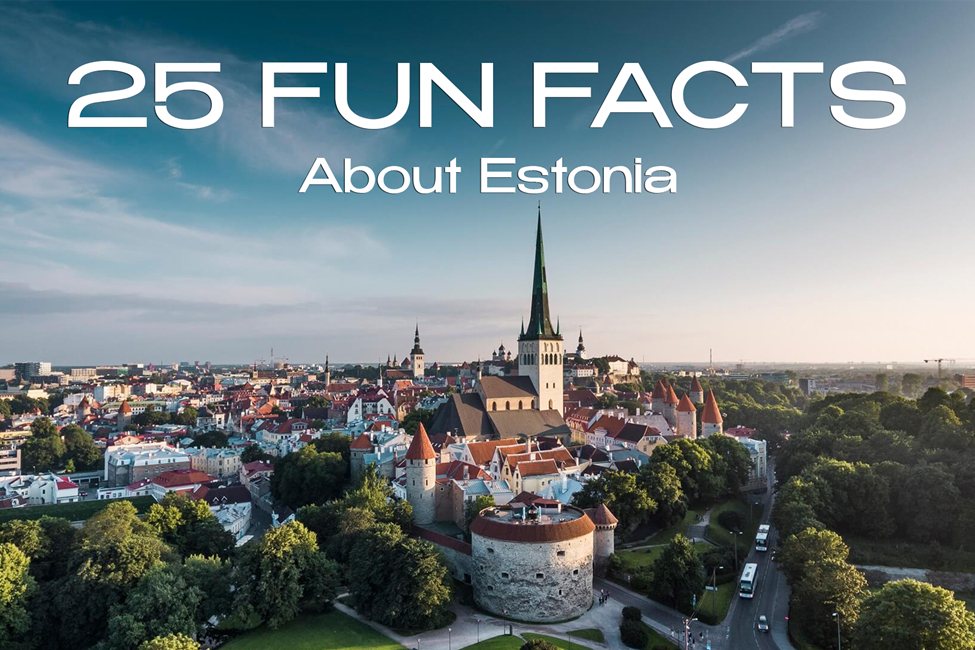
Reading Time: 10 minutesEstonia stands out as a unique country in Northern Europe because it blends old history with high-tech modern living. Many travelers are surprised to find a nation where historic castles exist alongside fast internet and advanced digital tools. These fun facts about Estonia will show you how this Baltic nation became an exciting place for international tourists. Learning about its vibrant cities and beautiful islands will help you plan an unforgettable travel experience. Before exploring the details, you can look at this simple table to understand the basic facts about the country. Read More: Vilnius in Winter: Everything You Need to Know (2025) Trending KGB Museum in Vilnius Guide: KGB Museum in Vilnius Guide (Museum of Occupation and Freedom Fights) Book Your Estonia Tour Now! Estonia Travel Guide & Country Overview Estonia Facts Category Key Information About Estonia Why It Matters for Travelers Country Name Estonia (Baltic country in Northern Europe) Known for digital innovation, forests, and scenic landscapes Capital City of Estonia Tallinn A historic UNESCO-listed city and top tourist destination Official Language of Estonia Estonian A unique language from the Finno-Ugric family Currency in Estonia Euro (€) Makes travel easy for EU visitors Estonia Population (2026) Around 1.36 million people One of Europe’s least crowded countries Famous Island in Estonia Saaremaa Popular for nature, windmills, and peaceful travel experiences Estonia Internet Domain .ee Used by Estonian websites and businesses 1. People Handle Their Daily Public Tasks Completely Online Official government records show that local residents can safely vote in national elections, sign legal papers, and file their taxes from home. This highly advanced digital system makes everyday public services fast, safe, and efficient for 99% of the population. Visitors traveling through the country will also enjoy reliable mobile networks and great internet coverage almost everywhere. 2. Tech Experts Built The Original Code For Skype Here Historical industry data proves that local programmers working in Tallinn wrote the initial software that changed how people make video calls around the world. This massive global success inspired a major technology trend and attracted investments to the capital city. Today, international business studies show the nation supports an energetic community with more tech startup companies per person than most places in Europe. 3. There Are Thousands Of Scenic Islands To Explore Geography studies confirm that the country features a long Baltic coastline that includes more than 2,222 unique islands. The largest islands still maintain their peaceful lifestyle, where you can see historic wooden windmills and quiet fishing villages. Travellers can easily book a cheap ferry boat ride from the mainland to explore these beautiful coastal areas. 4. Deep Green Forests Cover Half Of The Countryside Environmental reports confirm that nature is highly valued by locals because wild trees cover about 50% of the total land area. The government enforces strict conservation laws to protect native wildlife and keep the air exceptionally clean. You can drive just a short distance from the busy capital city to find total peace in the quiet woods. You can walk on nice wooden paths in the beautiful bogs. 5. You Can Walk Around A Real Space Crater Field Geological research shows that scientists discovered a unique ancient crash site on the island of Saaremaa known as the Kaali Crater. A giant rock from outer space hit the ground here thousands of years ago with massive physical force. Today, environmental measurements show the main impact hole forms a perfectly round lake that serves as a fascinating spot for visiting tourists. Read More: Beauty: Unconditional Beauty: Lithuania’s Hill of Witches Trending Lithuanian Traditions & Culture: Lithuanian Traditions & Culture Guide Book Your Estonia Tour Now! 6. The Capital City Preserves A Medieval Old Town Area Architectural history documents show that walking through the historic streets of Tallinn feels like stepping back into a medieval fairy tale. The massive stone walls, defensive towers, and grand Gothic churches have survived without damage for hundreds of years. Because this architecture is so rare, UNESCO protects the area as a valuable World Heritage site. 7. Saunas Are An Essential Weekly Tradition For Families Cultural anthropology studies show that people across the nation love to relax their bodies and minds inside hot wooden sauna rooms. The unique smoke saunas in the southern villages are especially famous for their long cultural history. During the session, health observations show that locals gently tap their skin with leafy birch twigs to clean themselves and feel completely refreshed. 8. The Local Language Sounds Highly Musical To Foreigners Linguistic research explains that words in the official language use long chains of vowels, which makes the spoken tongue sound like a beautiful song. It belongs to the Finno-Ugric language family, meaning it is closely related to Finnish but stands completely apart from neighbouring English or Slavic languages. A surprising detail for students is that language studies show the grammar has no future tense and uses no gendered pronouns. 9. Singing Helped The Nation Win Its Political Freedom Historical records show that thousands of citizens gathered together peacefully to sing forbidden patriotic songs during the political changes of the late 1980s. This mass non-violent protest became famous across the globe as the “Singing Revolution”. This powerful musical movement successfully helped the country win back its national independence without any violent fighting. Book Your Estonia Tour Now! 10. Giant Choral Music Festivals Happen Every Five Years Cultural records show that massive musical concerts take place on a spectacular outdoor stage built in the capital city of Tallinn. More than 30,000 professional singers stand in unison to perform traditional folk anthems together. Attendance data shows around 100,000 enthusiastic spectators travel here to watch the show and sing along with the choir. 11. Swinging Is Practised As A Competitive Adult Sport Sports history shows that inventors created an adrenaline-filled modern sport called kiiking using giant, custom-built metal swings. Physics studies explain how participants securely tie their feet to the wooden seat so they can stay safe while moving. The ultimate goal of the
Get the Lowest Prices on International Flights to Estonia
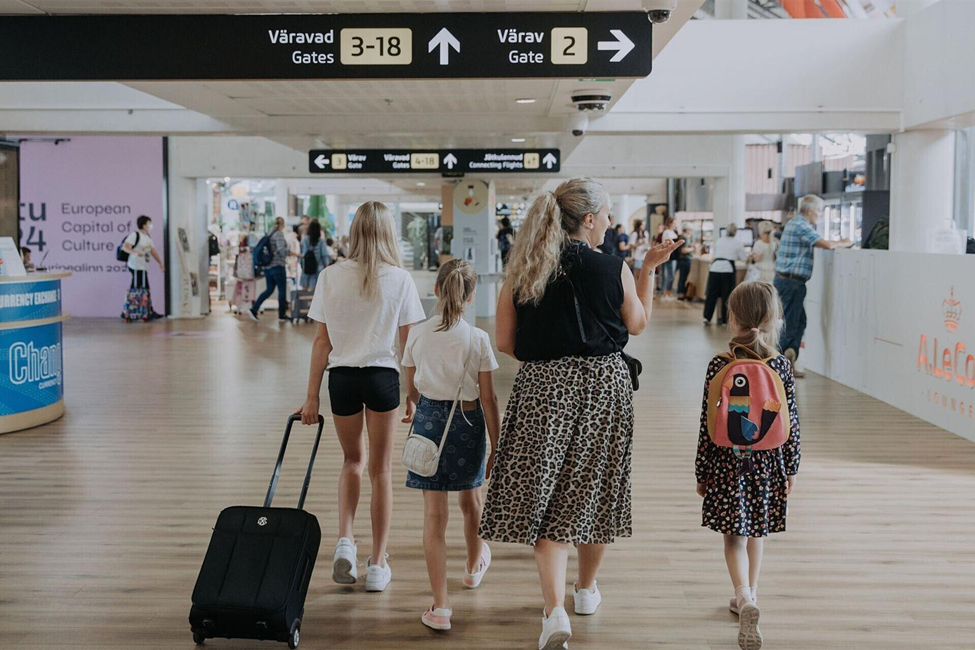
Reading Time: 11 minutesIf you’ve started looking into flights to Estonia and felt a little overwhelmed by the number of routes, layover combinations, and wildly different price quotes appearing on every search you run, you’re not alone. Estonia sits in a slightly tricky spot for international travelers; there are no direct flights from North America, fare comparison sites don’t always surface the smartest routing, and the difference between a well-timed booking and a last-minute one can genuinely run into hundreds of dollars per ticket. The good news is that getting a genuinely good price on flights to Estonia is absolutely achievable; it just requires understanding how the routing works, when airlines actually drop their fares, and which booking strategies make a real difference versus which ones are just internet myths repeated without evidence. Estonia itself is more than worth the effort of getting there well. Tallinn’s medieval Old Town is one of the best-preserved in Europe, the country’s national parks and islands offer some of the most peaceful, uncrowded landscapes on the continent, and the overall cost of being in Estonia once you arrive is refreshingly low. Getting the flight right is simply the first and most important piece of making the whole trip affordable. In this guide, we’ll walk you through everything that actually affects what you’ll pay for flights to Estonia, the airlines and routes worth knowing, the timing strategies that genuinely move the needle, the airports worth considering beyond the obvious, and how we can take the guesswork out of the entire process for you. Read More: Affordable Flights to the Baltic States: Your Guide Trending Lithuania Vacation Package: BALTIC HIGHLIGHTS – 8 DAYS / 7 NIGHTS Book Your Flight to Estonia With Us Today! Book Your Estonia Tour Now! Understanding the Routes: How International Flights to Estonia Actually Work Before diving into pricing strategy, it helps to understand the basic shape of how international flights to Estonia are routed, because this directly affects where you should be looking for the best fares. There Are No Direct Flights From North America This is the single most important thing to know upfront. If you’re traveling from the United States or Canada, there is no nonstop flight to Tallinn. Every itinerary involves at least one connection, typically through a major European hub. Common layover cities include Frankfurt, Amsterdam, and Helsinki, with airlines such as Lufthansa, KLM, and Finnair frequently servicing these connecting routes. This isn’t necessarily a downside; a well-chosen layover city can actually work in your favor, particularly if it allows a few hours to explore or if it routes you through an airline’s primary hub where service and reliability tend to be strongest. Finnair’s Helsinki routing, for instance, is particularly efficient given Helsinki’s proximity to Tallinn, close enough that some travelers even consider a Helsinki–Tallinn ferry crossing as a scenic alternative to the final short flight leg. Within Europe, Direct Flights to Estonia Are Plentiful If you’re already in Europe, the picture changes considerably. You’ll find a wide range of direct flights to Tallinn from cities across the continent. airBaltic, the flag carrier of neighboring Latvia, operates an extensive route network with numerous direct connections to Tallinn from various European cities, and is consistently praised for punctuality, affordability, and service quality. Budget carriers including Ryanair and Wizz Air also provide direct, budget-friendly options from major cities like London, Berlin, and Paris; these are frequently the cheapest way to reach Estonia if your starting point is anywhere in Western or Central Europe. Tallinn Airport Is the Primary Gateway Tallinn Airport (TLL) is Estonia’s main international gateway and the airport that the vast majority of international itineraries will route through. It’s a compact, efficient airport located close to the city center, typically around a 15–20 minute taxi or transfer into Tallinn itself, which is a meaningfully shorter and cheaper transfer than what travelers experience at many larger European hub airports. For travelers continuing on to other parts of Estonia, Tallinn Airport also functions as the jumping-off point for onward travel. Buses and coaches connecting to destinations like Tartu and Haapsalu often make a stop at the airport en route, which is genuinely convenient if you’re arriving internationally and heading straight onward without an overnight in the capital. Intra-Baltic Connections Make Multi-Country Trips Easy If your trip includes more than just Estonia, which is common, given how naturally Estonia, Latvia, and Lithuania combine into a single itinerary, airBaltic offers numerous direct flights connecting Tallinn, Riga, and Vilnius, making it simple and affordable to move between all three Baltic capitals during a single visit. Read More: Lithuania Travel Guide 2026: Everything You Need to Know Trending Package: BALTIC METROPOLES – 10 DAYS / 9 NIGHTS Explore Estonia Flight and Tour Combinations With Us Book Your Estonia Tour Now! The Booking Strategies That Actually Lower the Price of Flights to Estonia Here’s where most of the real savings happen. Some of these strategies are well known; a few are less obvious but make a genuine difference. Book Two to Four Months in Advance According to general airline industry patterns, the optimal window for booking international flights is typically between two and four months before departure. This window allows you to take advantage of early-bird pricing while avoiding the steep last-minute surges that tend to hit fares inside the final few weeks before a flight. For flights to Estonia specifically, given the limited number of direct connecting options, booking within this window matters even more than it might for a more heavily serviced route. Be Flexible with Your Travel Dates Flight prices can vary significantly depending on the season, day of the week, and even the time of day you’re flying. If your schedule allows any flexibility, shifting your departure by even a day or two, or adjusting which day of the week you fly, can sometimes produce a noticeably lower fare for the exact same route. Insider Tip: Mid-week days, particularly Tuesdays and Wednesdays, tend to offer the lowest fares overall, since airlines typically
Best Travel Agencies Offering Guided Estonia Tours
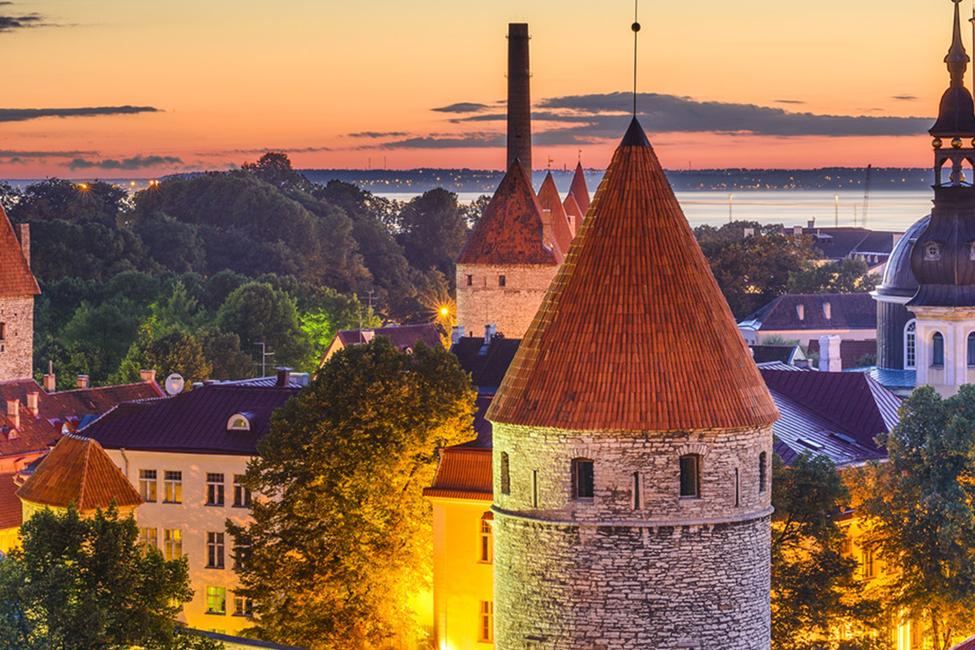
Reading Time: 11 minutesEstonia doesn’t always make it onto a traveler’s radar the first time they start planning a European trip. And honestly, that’s part of what makes it so extraordinary when you finally get there. Tallinn’s medieval Old Town is one of the best-preserved in all of Europe. The national parks are vast, wild, and entirely uncrowded. The island of Saaremaa moves at a pace that most of the world has completely forgotten. The food scene is quietly excellent. And the history, layered with Viking influence, medieval trade, Soviet occupation, and a singing revolution that helped restore independence, is unlike anything else on the continent. But here’s the thing: Estonia is a destination that genuinely rewards travelers who go in with the right support. Not because it’s difficult to visit, but because so much of what makes it extraordinary isn’t obvious from the surface. The stories behind the architecture, the significance of a bog walk at dawn, the reason a particular song at a choral festival can make an entire crowd go quiet- these things land completely differently when you’re with a guide who understands them from the inside. That’s why choosing the right travel agency for your Estonia tours matters more than it might for a destination where the tourist trail is already well-worn. The best guided Estonia tours don’t just move you between landmarks. They translate a country for you, its people, its past, its present, and the quieter, more remarkable corners that most travelers never find. So how do you find those agencies? What separates a genuinely excellent guided Estonia tour from one that just strings the obvious stops together and calls it a day? And what should you actually expect from a top-tier guided experience in this country? That’s exactly what this guide covers: the characteristics of the best travel agencies offering guided Estonia tours, what to look for when comparing them, and why specialist operators like Vytis Tours consistently lead the field for travelers who want more than a standard itinerary. Read More: How to Choose the Perfect Estonia Tour for Your Trip Trending Baltic Vacation Package: BALTIC HIGHLIGHTS – 8 DAYS / 7 NIGHTS Request a Quote for Your Guided Estonia Tour Today! Book Your Estonia Tour Now! Why Guided Estonia Tours Deliver a Better Experience Before we get into agencies, it’s worth being clear on why a guided tour is the right format for Estonia, particularly if it’s your first visit. The Context Gap Is Real Estonia has one of the most layered, fascinating histories in Northern Europe. But unlike destinations like Paris or Rome, where the context is so widely known it’s almost baked into popular culture, Estonia’s story requires a bit of translation for most Western travelers. The significance of Toompea Castle. What the Soviet-era architecture of certain neighborhoods actually represents. Why the Estonian Song and Dance Celebration is not just a cultural event but a form of national resistance that carried an entire people through occupation. A knowledgeable local guide bridges that gap in a way that no amount of pre-trip reading fully replicates. Suddenly, what might have been an interesting but somewhat abstract set of sights becomes a living, breathing story that you actually feel part of. Off-the-Beaten-Path Access Estonia’s most memorable experiences are not always its most famous ones. Yes, Tallinn’s Old Town is extraordinary. But so is a morning walk through Lahemaa National Park before the day-trippers arrive. So is the island of Saaremaa, Estonia’s largest island, with limestone cliffs, ancient windmills, and a slower, more deeply Estonian pace of life that feels entirely different from the capital. The best guided Estonia tours build these less-visited experiences into the itinerary as standard, not as expensive optional add-ons. A specialist agency knows exactly where the real magic is and builds their routes around it. Logistical Ease in an Unfamiliar Destination Estonia is a safe, well-organized, digitally advanced country that’s easy to navigate independently. But there’s still a meaningful difference between knowing how to get around and knowing how to make the most of your time. Guided tours handle the routing, timing, accommodation, and transfers, freeing you to be fully present in the experience rather than half-distracted by logistics. What Makes a Great Travel Agency for Estonia Tours Not every agency offering guided Estonia tours is worth your time or money. Here’s the framework for evaluating them properly: Baltic-Specific Expertise The first question to ask any agency is whether they specialize in the Baltic region or offer Estonia as part of a broader, generalist European portfolio. The answer matters enormously. An agency that covers 30+ European countries is, by definition, spreading its expertise thin. Their Estonia itineraries are often built around the same handful of obvious landmarks, their guides may not be locally rooted, and their knowledge of the country’s quieter corners — Viljandi and its medieval castle ruins, Saaremaa’s windmill villages, the atmospheric Soviet-era town of Sillamäe on the northeastern coast, tends to be minimal. An agency that has been operating Estonia tours exclusively within the Baltic States for years or decades brings a categorically different depth of knowledge. They know which experiences are genuinely transformative and which are overrated. They know which guesthouses and hotels actually reflect the character of the destination. They know the seasonal rhythms, the best timing for specific sites, and the local context that transforms a visit from informative to unforgettable. Vytis Tours has been that kind of agency for over 32 years — exclusively focused on Estonia, Latvia, and Lithuania, with the depth of regional knowledge that only comes from decades of concentrated expertise. Local Guides with Genuine Regional Roots The guide is the single biggest variable in the quality of your experience on the ground. A great guide doesn’t just recite historical facts, they share them through a personal lens, connect them to lived experience, and respond to your group’s interests in real time. For Estonia tours specifically, look for agencies that employ guides who are actually Estonian or have lived extensively
Compare the Best Family and Couple Estonia Vacation Packages
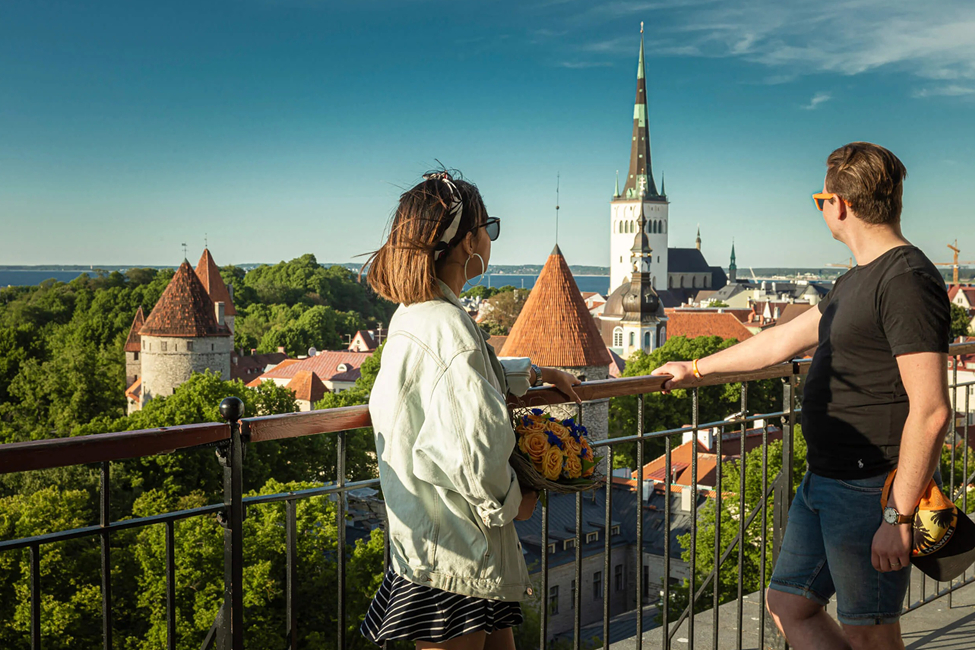
Reading Time: 11 minutesAsk anyone who’s been to Estonia what surprised them most, and you’ll get some version of the same answer: “I had no idea it was going to be this good.” That’s the Estonia effect. It doesn’t make the front page of most European travel guides, it doesn’t have the name recognition of its western neighbors, and yet travelers who make it there almost universally wish they’d gone sooner, and stayed longer. What makes Estonia particularly interesting from a planning perspective is how differently it works for different types of travelers. A couple looking for a romantic escape and a family of four looking for an adventure-packed holiday can both have the trip of their lives in Estonia, but the packages and itineraries that work best for each look quite different. The pacing is different. The accommodation priorities are different. The mix of experiences that land well versus fall flat is different. This is where a lot of travelers go wrong when comparing Estonia tours. They look at the headline itinerary, Tallinn, Lahemaa, maybe Saaremaa, and assume one package works equally well for everyone. It doesn’t. A tour designed for a couple who want candlelit evenings in boutique Old Town hotels and private sunrise walks across a bog is a very different product from one designed for a family who needs interactive activities, flexible pacing, and accommodation that can handle kids without anyone feeling cramped. So this guide does something most comparison articles don’t: it actually distinguishes between the two. We’ll walk through what makes an Estonia vacation package genuinely excellent for families, what makes one excellent for couples, what the best packages for each type look like in practice, and why working with a specialist Baltic travel company like Vytis Tours is the smartest move for both, because getting this right from the start is so much better than discovering mid-trip that your tour was designed for someone else. Whether you’re planning a honeymoon, a milestone anniversary, a first family trip to Europe, or a multi-generational adventure, this guide will help you find the right Estonia tours package with confidence. Read More: How to Choose the Perfect Estonia Tour for Your Trip Trending Baltic Vacation Package: BALTIC HIGHLIGHTS – 8 DAYS / 7 NIGHTS Request a Quote for Your Estonia Vacation Package Today! Why Estonia Works Beautifully for Both Families and Couples Before diving into the specifics, let’s establish why Estonia is such a strong choice regardless of who you’re traveling with. A Destination That Doesn’t Make You Choose Between Nature and Culture Estonia is one of the rare European destinations that delivers both in equal measure. You can spend a morning walking the medieval cobblestones of Tallinn’s Old Town and an afternoon in the primeval silence of Lahemaa National Park without a single moment of logistical friction. For families, that variety keeps everyone engaged. For couples, it means you’re never stuck doing only one kind of thing for days on end. Genuinely Safe, Easy to Navigate, and Family-Friendly Estonia is one of the most digitally advanced and well-organized countries in Europe. Public infrastructure is excellent, English is widely spoken, especially in Tallinn and Tartu, and the general safety levels are high. For families traveling with children, this matters. You’re not managing the anxious vigilance that comes with certain busier European destinations. You can actually relax. Compact Enough for Efficient, Low-Stress Travel Estonia is a small country, which means destinations that feel far apart on paper are actually quite close in practice. The drive from Tallinn to Lahemaa is about 1.5 hours. Tallinn to Tartu is under 3 hours. The ferry to Saaremaa is a pleasant 2.5-hour crossing. For families managing children’s energy and couples who’d rather spend time experiencing places than sitting in transit, this compactness is a genuine gift. Shoulder Season Is Particularly Well-Suited to Both Travel Styles May through September offers the most comfortable conditions for Estonia tours, long daylight hours, mild temperatures, and the country in full bloom. Families benefit from stable, predictable weather for outdoor activities. Couples get the most romantic version of Estonia: long amber evenings, wildflower meadows, and the kind of soft light that makes every photograph look like a painting. Estonia Vacation Packages for Families: What to Look For Planning a family trip to Estonia requires a different checklist than planning one for two. Here’s exactly what family-focused Estonia tours should deliver: Pacing That Doesn’t Exhaust Children — or Parents The single biggest mistake in family tour planning is trying to replicate an adult’s pace with children in tow. A day that’s spectacular for a couple in their thirties can be miserable for a seven-year-old with tired legs and a fading attention span. The best family-oriented Estonia tours build rest time into each day by design, not as a concession, but as a structural choice. That might mean a relaxed morning start, a longer lunch break in a spot children can explore, or a deliberate “free afternoon” in a destination where the family can decompress and move at their own speed. Interactive, Hands-On Experiences for Younger Travelers Estonia is surprisingly rich in hands-on experiences that genuinely captivate children. The best family packages include: Tallinn’s interactive attractions: The medieval Old Town is a natural playground for curious kids — towers to climb, ancient walls to walk, and enough dramatic architecture to make it feel like stepping into a story. The Tallinn town wall walkway in particular is endlessly popular with children. Lahemaa National Park: The Viru Bog boardwalk trail is perfect for families, flat, accessible, visually extraordinary, and short enough that younger children can complete it comfortably. Wildlife spotting (moose, deer, birds) makes it feel like a genuine adventure rather than a walk. AHHAA Science Centre in Tartu: One of the best interactive science museums in Northern Europe. Genuinely engaging for children of all ages, and, honestly, most adults. This is an easy half-day that children will talk about long after returning home. Saaremaa Island: Estonia’s largest island has a relaxed,
How to Choose the Perfect Estonia Tour for Your Trip
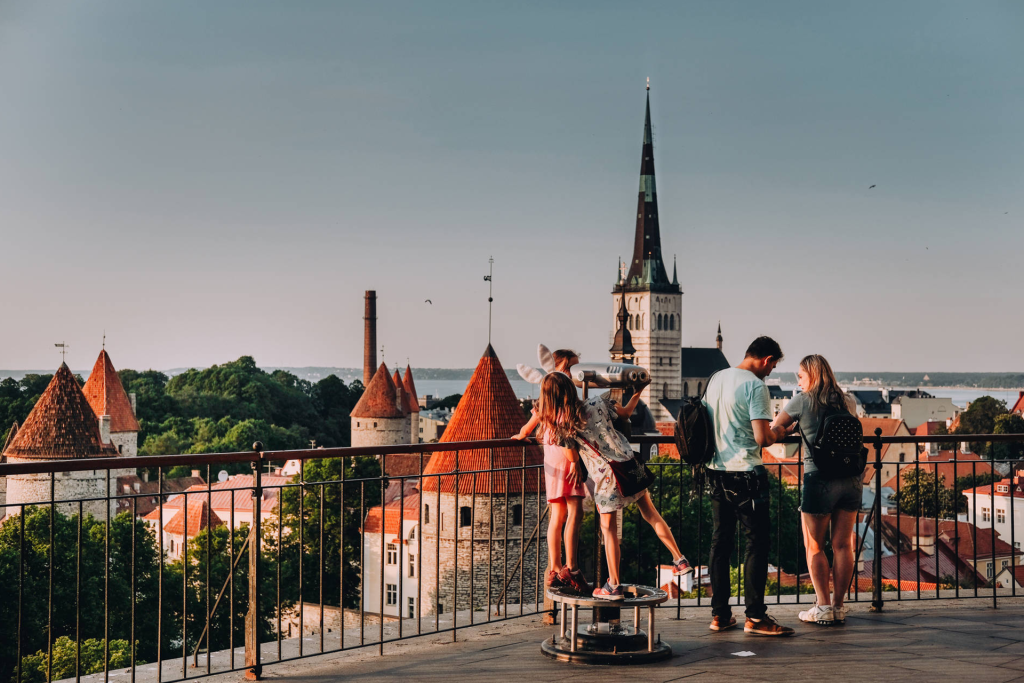
Reading Time: 4 minutesEstonia may be one of Europe’s smaller countries, but planning the right trip here can still feel surprisingly difficult. The country offers far more variety than many travelers expect. Some people visit for Tallinn’s medieval charm, while others come for quiet forests, island escapes, sauna culture, or peaceful countryside retreats. That’s why choosing the right Estonia tour is less about finding the most popular package and more about understanding the kind of experience you actually want. The best tours are the ones that match your travel style, pace, and interests rather than simply trying to show you everything at once. Start by Thinking About Your Travel Style Before booking anything, it helps to decide what kind of trip you want your Estonia experience to feel like. If you love history, architecture, museums, and café culture, a city-focused itinerary centered around Tallinn may be perfect for you. Tallinn’s Old Town alone can easily fill several days with its medieval streets, hidden courtyards, churches, and scenic viewpoints. On the other hand, if you’re someone who enjoys quiet landscapes and outdoor experiences, you may prefer a nature-focused tour. Estonia is filled with forests, bog trails, coastal villages, and national parks that feel calm and uncrowded compared to many European destinations. Some travelers are simply looking for rest and relaxation. In that case, countryside spa retreats, sauna experiences, and slower-paced itineraries are often the best choice. The more clearly you understand your own travel style, the easier it becomes to find a tour that feels right. Consider How Much Time You Have One of the biggest mistakes travelers make in Estonia is trying to do too much too quickly. Even though Estonia is relatively small, the country is best experienced slowly. If you only have a few days, it’s usually smarter to focus on Tallinn and one nearby destination rather than trying to cover the entire country. With a week or more, your itinerary becomes much more flexible. You can combine city exploration with nature experiences, island visits, and countryside stays without feeling rushed. Longer trips also allow you to experience Estonia’s atmosphere properly. This is not a destination where the goal is simply to move from one attraction to another. Much of its charm comes from slowing down, wandering naturally, and enjoying the quieter rhythm of life. Understand the Difference Between Cultural and Nature Tours Estonia tours generally fall into two main styles: cultural city experiences and nature-focused adventures. Cultural tours usually focus on Tallinn’s medieval heritage, museums, architecture, local food, and creative neighborhoods. These itineraries are ideal for travelers who enjoy learning about history while exploring walkable cities with strong local character. Nature tours, meanwhile, focus more on forests, bog trails, national parks, islands, and outdoor activities. These experiences often feel more peaceful and immersive, especially for travelers looking to disconnect from busy urban environments. Many visitors are surprised by how green and untouched Estonia feels. Nearly half the country is covered by forests, and nature plays a major role in daily life. The best option depends entirely on what kind of atmosphere you want your trip to have. Think About the Season You’re Traveling In The season you visit can completely shape your Estonia experience. Summer is the most popular time because of the long daylight hours, coastal travel opportunities, and pleasant weather. Nature tours and island trips are especially beautiful during this season. Winter, however, creates a completely different atmosphere. Tallinn’s Christmas markets, snowy streets, candlelit cafés, and traditional sauna culture make winter tours feel cozy and magical rather than harsh. Autumn is often underrated, with colorful forests and fewer tourists, while spring offers a quieter and more affordable travel experience. Choosing a tour that matches the season helps make the overall experience feel much more natural and enjoyable. Decide Whether You Prefer Group or Private Tours Another important factor is deciding how structured you want your trip to feel. Group tours are often more affordable and social. They work well for travelers who enjoy organized schedules and meeting other people along the way. Private tours offer more flexibility and personalization. They allow you to move at your own pace, spend more time in places you enjoy, and create a more relaxed experience overall. Because Estonia itself has such a calm and peaceful atmosphere, many travelers find that smaller or more flexible tours fit the destination especially well. Don’t Ignore Estonia’s Islands Many travelers focus only on Tallinn and accidentally miss one of the country’s best experiences, the islands. Places like Saaremaa and Hiiumaa offer a completely different side of Estonia. Life feels slower there, with coastal landscapes, forests, traditional villages, and quiet roads creating a peaceful atmosphere that’s hard to find elsewhere in Europe. If you enjoy cycling, nature, seaside scenery, or simply escaping crowds, choosing a tour that includes the islands can make your trip far more memorable. For many visitors, these quieter areas end up becoming the highlight of their journey. Pay Attention to the Pace of the Itinerary This is one of the most important things to watch for when choosing an Estonia tour. Some itineraries try to fit too many destinations into a short amount of time. While that may look impressive on paper, it can make the trip feel rushed and exhausting. Estonia is best experienced slowly. The atmosphere matters just as much as the landmarks themselves. The best tours leave room for café breaks, nature walks, local food experiences, and moments where you can simply enjoy being there without constantly checking the time. Sometimes, fewer destinations create a much richer experience. Look for Tours That Include Local Experiences The most memorable Estonia tours usually go beyond standard sightseeing. Experiences like traditional saunas, local food tastings, countryside stays, artisan workshops, and small neighborhood cafés help travelers connect with Estonia in a much more authentic way. These moments often become the parts people remember most because they offer insight into everyday life rather than just tourist
How to Explore Estonia Authentically on Estonia Trips
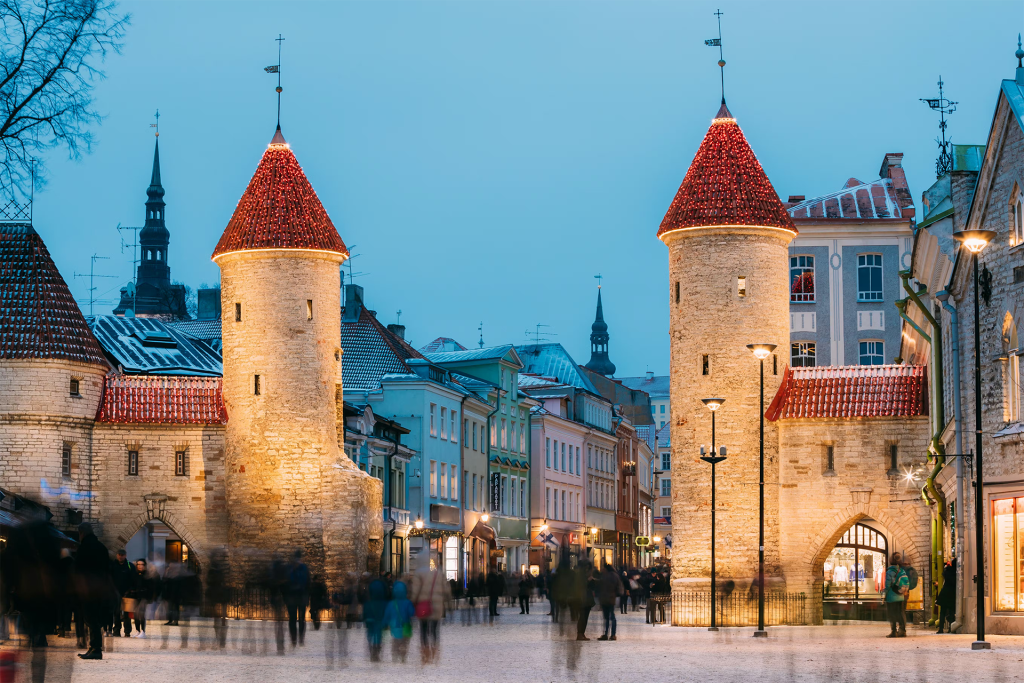
Reading Time: 6 minutesExplore Estonia like a local with smart travel tips, hidden gems, authentic food spots, and cultural experiences beyond tourist paths.
Why Estonia Tours Are Europe’s Most Captivating Hidden Gem
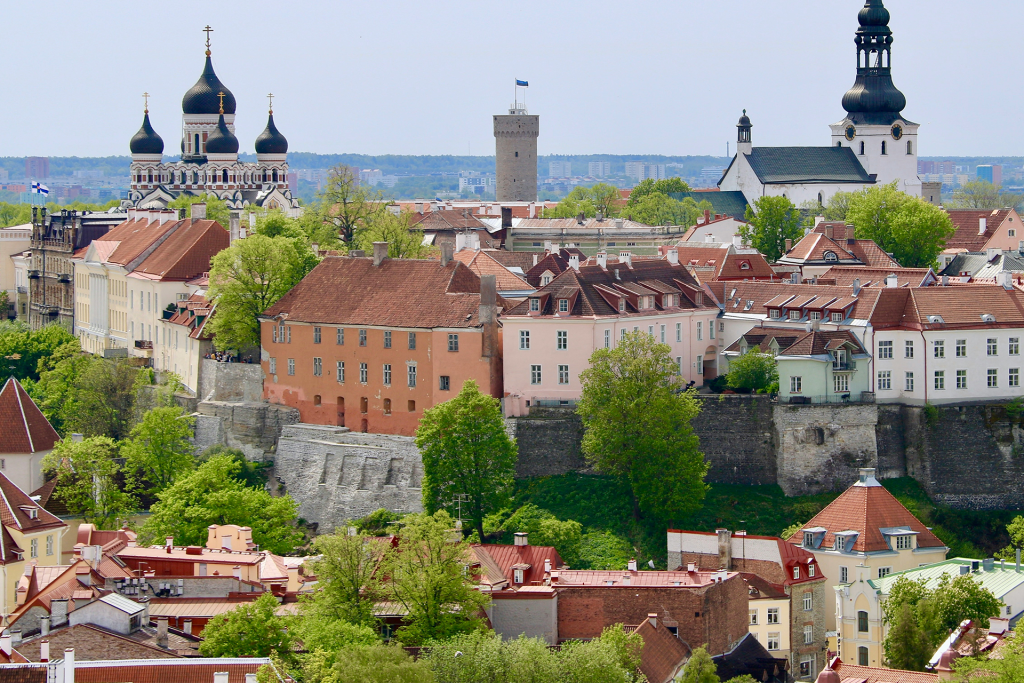
Reading Time: 6 minutesExplore Estonia — Europe’s hidden gem with medieval charm, stunning nature, rich culture, and modern digital innovation.
Estonian Culture and Traditions: A Complete Guide
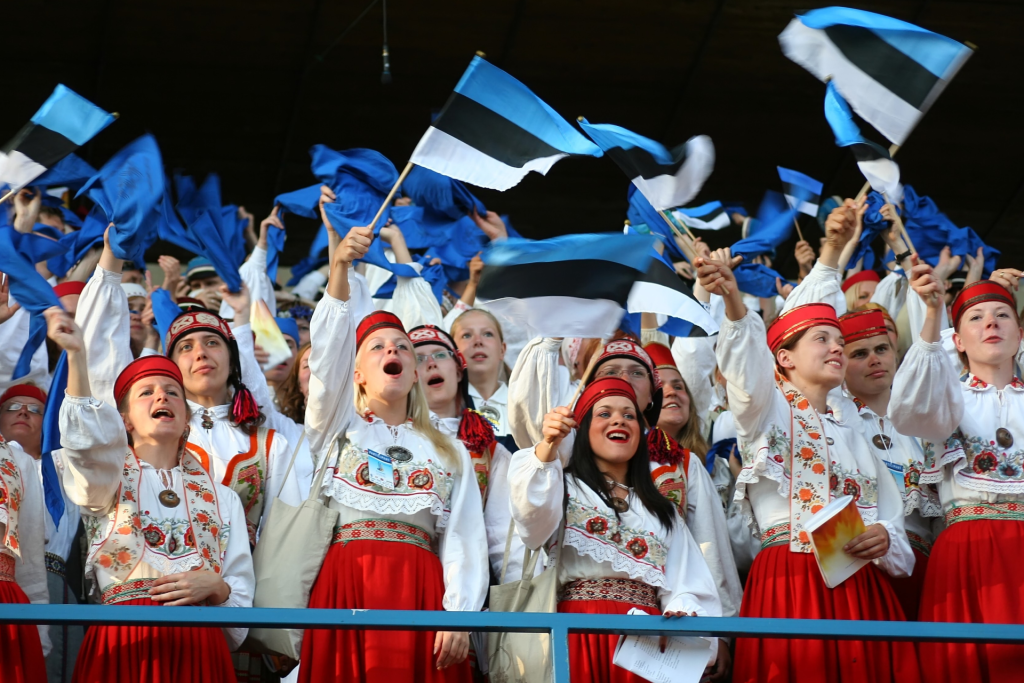
Reading Time: 14 minutes✦ Key Takeaways Estonian culture blends Baltic, Nordic, and Slavic influences into a beautifully unique identity unlike anywhere else in Europe. The Estonian language belongs to the rare Finno-Ugric family and is closely related to Finnish — not to any Slavic or Germanic tongue. Estonia’s Song and Dance Festival, held every five years, is a UNESCO-recognised cultural event that draws over 30,000 performers. Traditional Estonian clothing (national costume) varies by region and remains a powerful symbol of cultural pride worn at major festivals. Folklore, nature worship, and the sauna are central pillars of Estonian daily life and national identity. Estonia is one of the most digitally advanced nations on Earth — yet it protects ancient customs with remarkable dedication. Visiting Estonia is the best way to experience this living culture firsthand — from Tallinn’s medieval streets to island folk traditions. 📋 Table of Contents Introduction to Estonian Culture The Estonian People — Character and Values The Estonian Language Estonian Folklore and Mythology Festivals and Celebrations in Estonia Traditional Estonian Clothing Music, Song, and the Arts Estonian Cuisine and Food Traditions Religion and Spiritual Life in Estonia The Estonian Sauna Culture Family Life and Social Customs Modern Estonia — Digital Nation, Ancient Soul How to Experience Estonian Culture Firsthand FAQs About Estonian Culture Introduction to Estonian Culture When travellers think of Europe’s most culturally rich destinations, they often picture France, Italy, or Greece. But tucked away along the Baltic Sea sits a country that quietly holds one of the continent’s most distinctive, resilient, and deeply layered cultural identities. Estonian culture is a fascinating fusion of ancient Baltic traditions, Scandinavian sensibilities, and a fierce national spirit forged through centuries of foreign rule, Soviet occupation, and an extraordinary peaceful revolution — all led by song. Estonia is a small country with a population of just over 1.3 million people, yet it punches far above its weight when it comes to cultural output, linguistic uniqueness, and the preservation of traditions that go back thousands of years. Whether you’re a curious traveller planning your first visit, a history enthusiast, or simply someone who loves discovering lesser-known corners of European heritage — this complete guide to Estonia’s culture, traditions, language, people, clothing, and folklore will give you everything you need. Let’s dive deep into what makes Estonia one of Europe’s most rewarding cultural discoveries. 1.3M Population of Estonia (2025 estimate) 5 yrs Cycle of the Song & Dance Festival 800+ Years of recorded history in Tallinn The Estonian People — Character and Values Understanding Estonian culture starts with understanding the Estonian people. Estonians are widely known for being reserved, honest, and deeply self-reliant. At first glance, a newcomer might mistake their quiet composure for coldness — but spend more than a day in their company and you’ll discover a warmth, dry wit, and loyalty that runs remarkably deep. According to Commisceo Global’s Estonia Culture Guide, Estonians tend to speak softly, avoid emotional extremes in public, and place a high value on being rational and calm. They do not like to draw unnecessary attention to themselves — but they are intensely proud of who they are. Key Values of the Estonian People Self-sufficiency: Estonians have a strong independent streak, shaped by centuries of occupation and survival. “Doing it yourself” is a deeply ingrained value. Honesty: Small talk is not an Estonian specialty. They say what they mean and mean what they say. This directness is not rudeness — it’s respect. Connection to nature: Estonia is 50% forested, and Estonians have a spiritual relationship with the land. Forest walks, mushroom picking, and berry foraging are not hobbies — they’re a way of life. Respect for elders: Estonian society is hierarchical in the most respectful sense. Older generations are introduced first, addressed formally, and treated with great honour. Cultural pride: Despite — or perhaps because of — occupation and hardship, Estonians hold their cultural identity with extraordinary tenacity. “Estonians are not a people of grand gestures. They are a people of deep roots — and those roots run all the way down to the Baltic bedrock.” According to Statistics Estonia, the country’s ethnic composition is approximately 65% ethnic Estonian, with Russian, Ukrainian, and Finnish communities also present. This multicultural background adds fascinating layers to the country’s social fabric. The Estonian Language The Estonian language is one of the most linguistically fascinating in the world — and it’s central to national identity. Estonian belongs to the Finno-Ugric language family, which places it in the same rare linguistic group as Finnish and (more distantly) Hungarian. It bears absolutely no relationship to the surrounding Slavic or Germanic languages, which makes it stand out sharply in Europe’s linguistic landscape. Estonian is spoken by approximately 1.1 million people inside Estonia and thousands more in diaspora communities worldwide. It has been profoundly influenced by German, Swedish, Russian, and Latvian over the centuries — though it is not grammatically related to any of them. Fascinating Features of the Estonian Language Estonian has 14 grammatical cases — making it grammatically complex and a genuine challenge for most language learners. It has no grammatical gender (no “he” or “she” — there’s only one word: tema). The word for “thank you” is aitäh — one of the first phrases every visitor to Estonia should learn. The language features a unique system of three vowel and consonant lengths (short, long, and overlong) that completely changes word meaning. Estonian oral tradition — songs, proverbs, and poems — played a vital role in preserving national identity during the Soviet era. Did You Know? The Estonian national epic, Kalevipoeg (Son of Kalev), was compiled in the 19th century from ancient oral folk songs. It became a cornerstone of the National Awakening movement that ultimately helped Estonia achieve independence. You can learn more about it at the Estonian National Museum.Explore Estonia With ExpertsReady to Experience Estonian Culture In Person?Vytis Tours has been leading Baltic adventures for over 33 years. Let our expert guides bring Estonia’s rich culture to life on a tailor-made
Põltsamaa Estonia Travel Guide: Best Things to Do and Top Attractions!
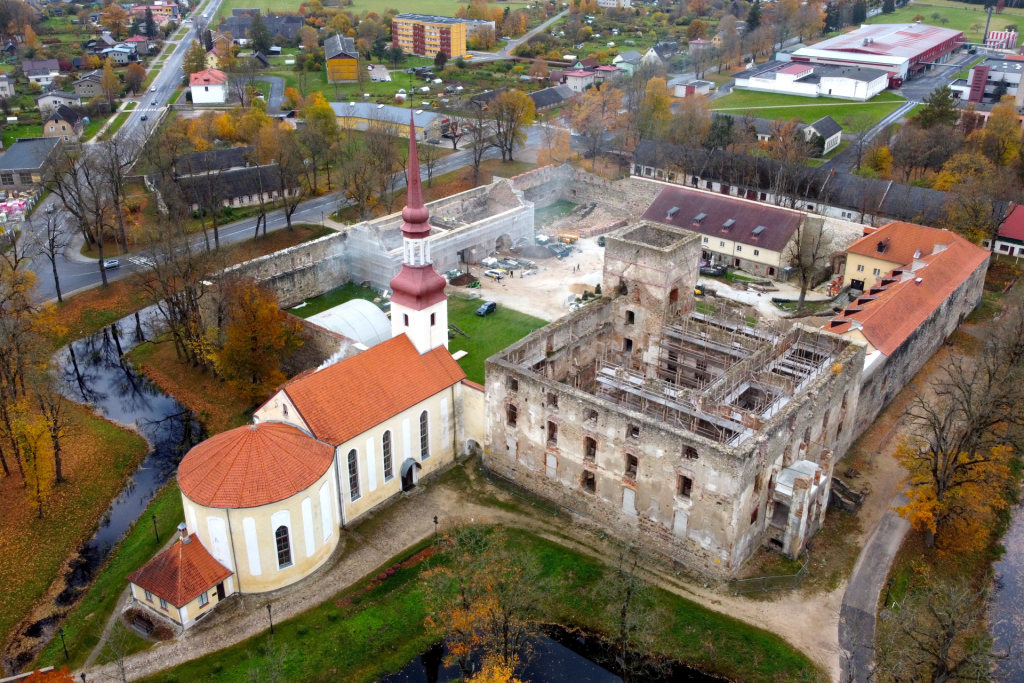
Reading Time: 10 minutesIf you’re planning a trip to Estonia and want to go beyond the usual stops, Põltsamaa is a destination that quietly stands out. Located between major cities like Tallinn and Tartu, this small town offers a refreshing mix of history, nature, and local culture—without the crowds.
Sillamae Estonia Travel Guide: Best Things to Do and Top Attractions!
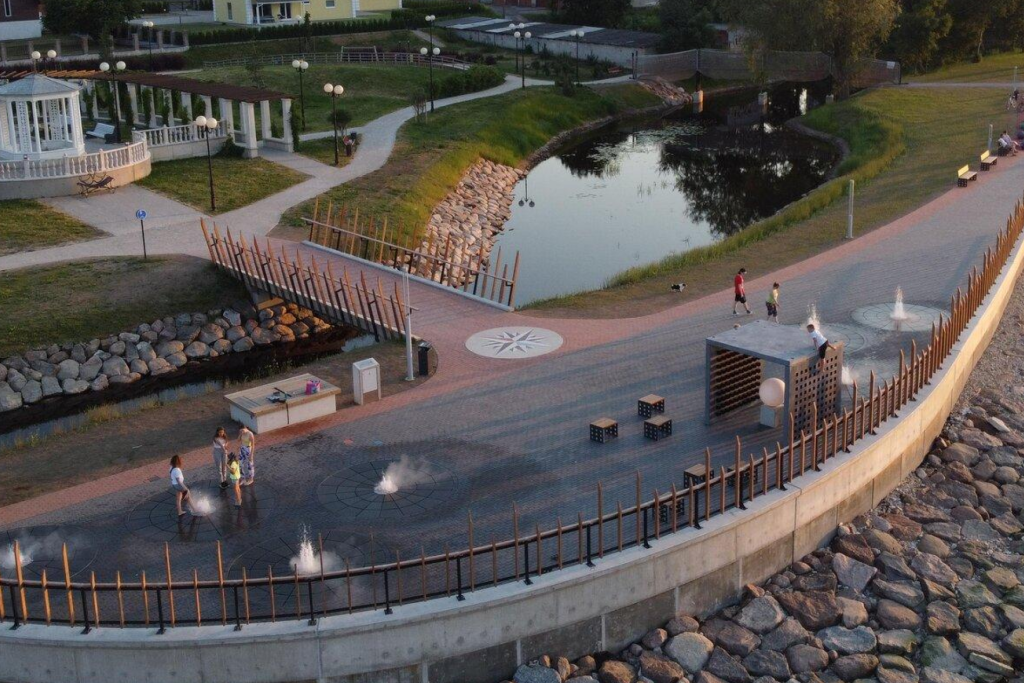
Reading Time: 12 minutesSillamäe is not the kind of place that dominates travel brochures — and that’s exactly why it stands out. Located along the northeastern coast of Estonia, this small seaside town offers a travel experience that feels refreshingly different from the usual Baltic itineraries.
