

Christmas in Lithuania is not just a festive season—it is a deeply rooted cultural experience filled with meaning, symbolism, and centuries-old traditions. From quiet family gatherings to beautifully decorated city squares, Lithuanian Christmas traditions offer a unique blend of spirituality, folklore, and community that sets them apart from celebrations elsewhere in Europe. For travelers seeking something more authentic and meaningful during the holiday season, Lithuania provides an unforgettable winter experience.
At the heart of these traditions lies Kūčios, the most important celebration of the season. This sacred Christmas Eve dinner is not just about food—it represents family unity, remembrance of ancestors, and a deep connection to nature and faith. Combined with customs like the 12-dish meal, symbolic rituals, and quiet reflection before Christmas Day, Lithuanian celebrations carry a sense of warmth and depth that resonates with both locals and visitors.
In this guide, you’ll discover everything you need to know about Lithuanian Christmas traditions—from the significance of Kūčios and traditional foods to unique customs, festive experiences, and practical travel tips.
Discover Best Baltic States Tour Companies: Best Baltic Tour Companies & Operators 2026
Trending Grand Tour Lithuania Vacation Package: The Grand Tour of Lithuania (13 Days, 12 Nights)
What is Kūčios? (The Heart of Lithuanian Christmas Traditions)
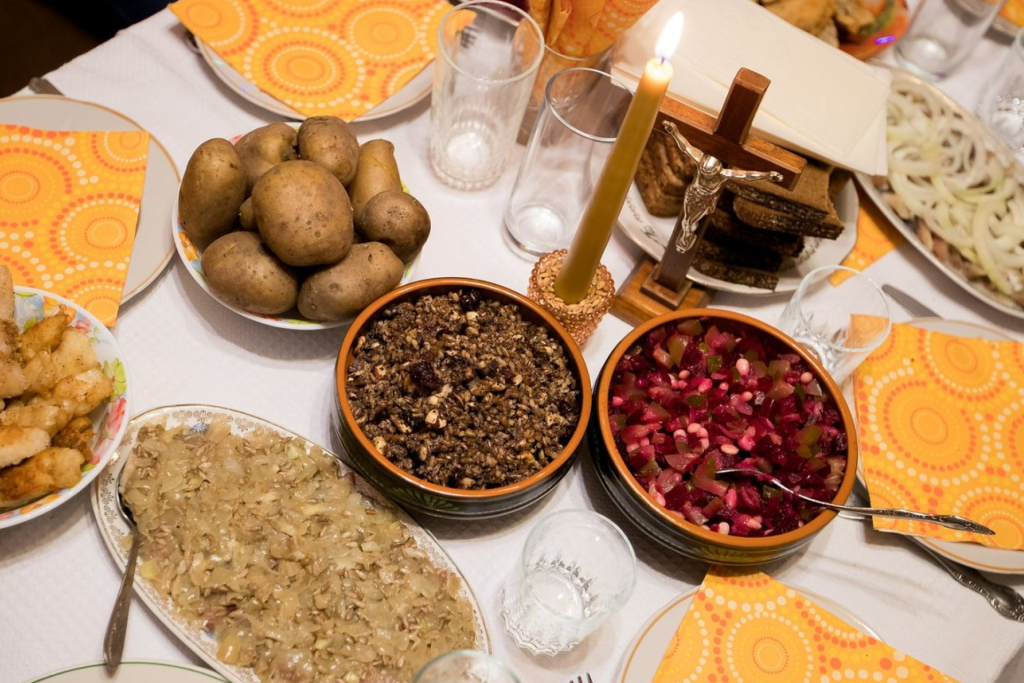
At the center of all Lithuanian Christmas traditions lies Kūčios — a deeply meaningful and symbolic celebration held on the evening of December 24. More than just a festive meal, Kūčios is considered the most important moment of the Christmas season in Lithuania, often even more significant than Christmas Day itself. It is a time for family, reflection, and honoring both spiritual beliefs and centuries-old customs that blend Christian and ancient pagan traditions.
Kūčios is, at its core, a sacred family gathering. No matter where they are in the world, Lithuanians make a special effort to return home for this evening. The focus is not on celebration in a modern sense, but on togetherness, gratitude, and remembrance. Families come together to share a quiet, meaningful meal that strengthens bonds and preserves tradition across generations.
A Tradition Rooted in History and Symbolism
What makes Kūčios truly unique is its deep historical and cultural significance. The tradition dates back centuries and reflects a blend of pre-Christian winter solstice rituals and Christian beliefs.
The evening symbolizes:
- The end of the old year and the beginning of a new one
- A time of spiritual reflection and renewal
- A connection between the living and their ancestors
Many Lithuanian families still follow the tradition of leaving an empty seat at the table for a loved one who has passed away or for an unexpected guest, symbolizing hospitality and remembrance.
The Sacred Ritual of the Kūčios Table
The preparation of the Kūčios dinner is filled with meaning and ritual. The table itself is symbolic:
- A layer of hay is placed under a white tablecloth, representing the manger where Jesus was born
- Candles and natural decorations are used to symbolize life, warmth, and spirituality
- The table is carefully arranged to reflect purity, simplicity, and respect for tradition
Before the meal begins, families traditionally wait for the first star to appear in the sky, symbolizing the Star of Bethlehem.
This quiet anticipation sets the tone for the evening—calm, reflective, and deeply spiritual.
The Meaning Behind the Meal
One of the defining features of Kūčios is the traditional 12-dish dinner, with each dish symbolizing either the 12 apostles or the 12 months of the year.
The meal follows strict traditions:
- No meat is served
- Dishes are simple and based on fish, grains, mushrooms, fruits, and vegetables
- The focus is on humility and gratitude rather than indulgence
Every element of the meal carries symbolic meaning. For example:
- Grains represent prosperity and life
- Poppy seeds symbolize abundance and protection
- Honey represents health and sweetness in the coming year
The dinner often begins with sharing a wafer (kalėdaitis), symbolizing forgiveness, unity, and goodwill among family members.
A Night of Reflection, Not Celebration
Unlike the festive and often lively celebrations seen elsewhere, Kūčios is intentionally quiet and introspective. It is a time to pause, reflect on the past year, and reconnect with family values.
Traditionally:
- The evening is free from loud entertainment
- Conversations are meaningful and calm
- Families may share stories, memories, or prayers
In older folklore, it was even believed that animals could speak on this night and that the boundary between the physical and spiritual worlds became thinner.
Read More: Palace of the Grand Dukes of Lithuania: Complete Travel Guide
Our Best Selling Economy Vacation Package: LITHUANIA ECONOMY TOUR – 9 DAYS /8 NIGHTS
The 12 Dishes of Kūčios (Traditional Lithuanian Christmas Food)
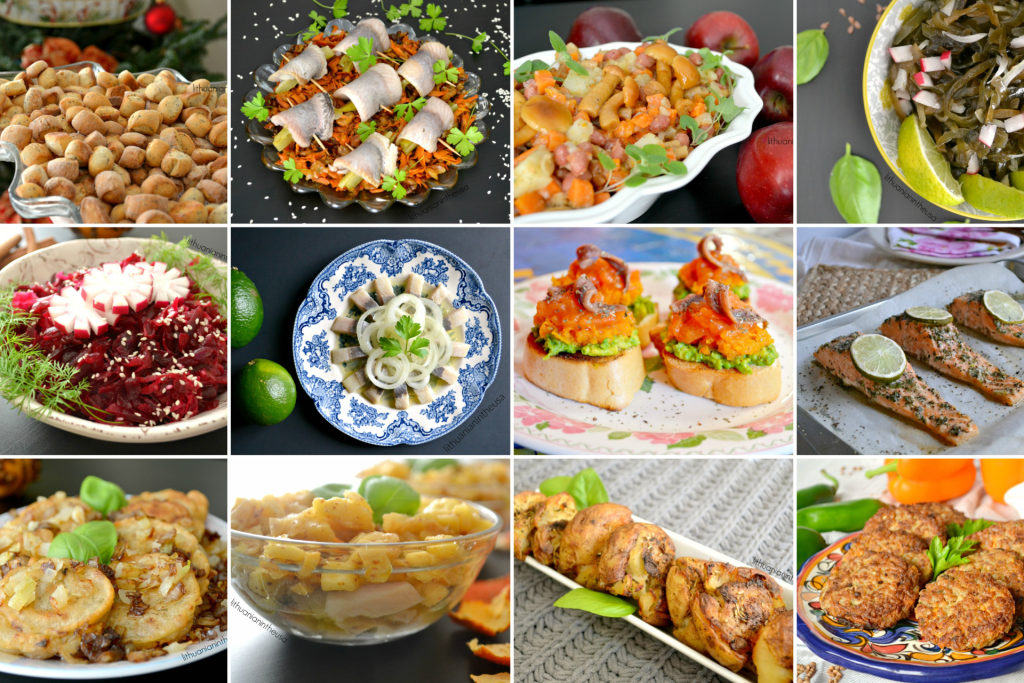
One of the most fascinating and symbolic aspects of Lithuanian Christmas traditions is the famous 12-dish Kūčios dinner. This meal is not just about food—it represents abundance, spirituality, and a deep connection to both nature and faith. Every dish served on the table carries meaning, and together they form a ritual that has been passed down through generations.
Traditionally, the Kūčios table must include at least 12 different dishes, symbolizing either the 12 apostles or the 12 months of the year—a belief rooted in both Christian and pre-Christian traditions.
It is also believed that tasting a bit of each dish will bring good fortune and prosperity for every month of the coming year.
Key Rules of the Kūčios Meal
Before exploring the dishes themselves, it’s important to understand the principles behind them:
- The meal is completely meat-free, traditionally also avoiding dairy and alcohol
- Dishes are made from simple, natural ingredients like grains, fish, mushrooms, fruits, and vegetables
- Foods reflect what was historically available during winter—often dried, pickled, or preserved
- The focus is on humility, gratitude, and symbolism, not luxury
This creates a meal that is both meaningful and deeply connected to Lithuania’s agricultural heritage.
The Most Traditional Kūčios Dishes
While the exact dishes can vary from family to family, certain foods are considered essential and are commonly found on most Kūčios tables across Lithuania.
Herring (Silkė)
Herring is one of the most important dishes and is often served in multiple variations—marinated, with onions, mushrooms, or beetroot.
Symbolism:
- Represents humility and simplicity
- Reflects Lithuania’s connection to the sea and preserved foods
Kūčiukai
These small, slightly sweet dough bites with poppy seeds are unique to Christmas Eve and are a must-have on every table.
How they’re eaten:
- Often soaked in poppy seed milk
- Shared among family members
Symbolism:
- Represent community and togetherness
Poppy Seed Milk
A traditional drink made by grinding soaked poppy seeds with water and sugar.
Symbolism:
- Associated with abundance and fertility
- A key pairing with kūčiukai
Kūčia
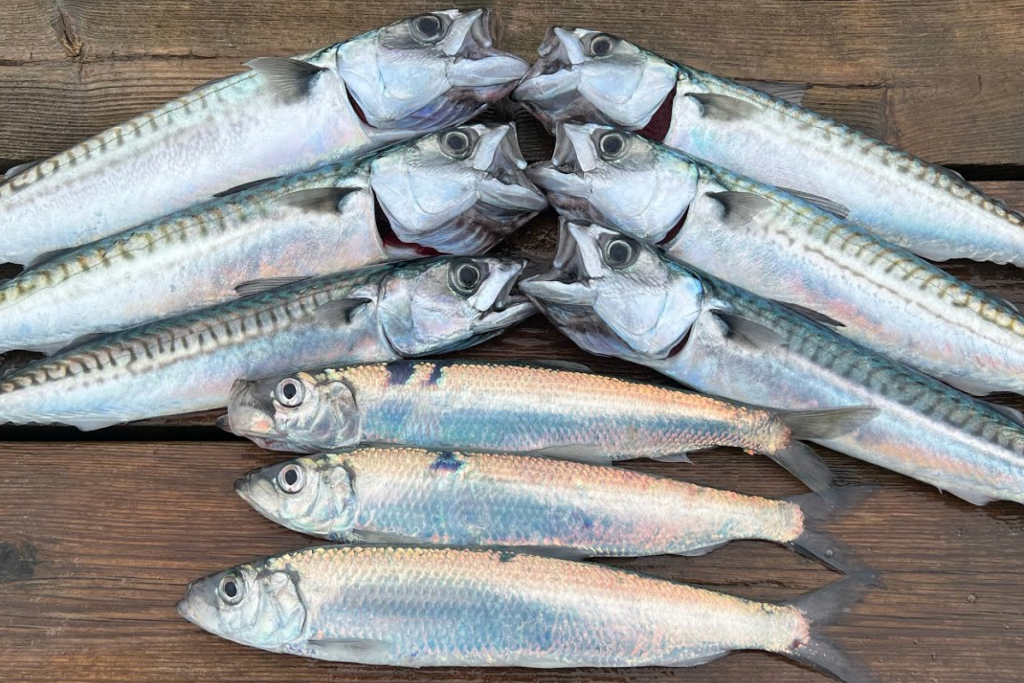
This traditional dish, made from grains, seeds, nuts, dried fruits, and honey, is one of the oldest elements of the Kūčios meal.
Symbolism:
Grains = life and prosperity
Honey = health and sweetness
Seeds = protection and growth
Mushroom Dishes
Mushrooms are a staple ingredient and appear in soups, dumplings, or stews.
Symbolism:
Represent the forest and connection to nature
Beetroot Dishes (Vinegretas / Beet Salad)
Cold beetroot salads, often mixed with beans or vegetables, are commonly served.
Symbolism:
Represents earth, vitality, and nourishment
Grain-Based Dishes (Barley, Buckwheat, or Rice)
Simple grain dishes are included as a reminder of Lithuania’s farming traditions.
Symbolism:
Abundance and continuity of life
Boiled or Baked Potatoes
A humble but essential addition, often served with mushroom or herring dishes.
Dried Fruits & Compotes
Dried apples, berries, and fruit drinks (like cranberry kissel) are commonly served.
Symbolism:
Preservation and the cycle of seasons
Dumplings with Mushrooms
Small dumplings filled with mushrooms or vegetables are another traditional dish.
Fish Dishes (Other Than Herring)
Different types of fish—baked or lightly prepared—are often included.
Symbolism:
Spiritual nourishment and simplicity
Nuts, Seeds, and Honey-Based Dishes
Simple combinations of nuts, seeds, and honey are often used to complete the table.
The Deeper Meaning Behind the 12 Dishes
The Kūčios meal is not about strict recipes—it is about balance and symbolism. Each dish represents a part of life:
Grains from the fields → prosperity
Fish from water → sustenance
Mushrooms from forests → nature
Fruits from orchards → continuity
Together, these foods reflect the harmony between humans and nature—a concept deeply rooted in Lithuanian culture.
A Meal That Connects Generations
What makes the 12 dishes of Kūčios truly special is not just what is served, but how it is shared. Families gather, taste each dish, and reflect on the past year while hoping for a prosperous one ahead.
For travelers, experiencing or learning about this meal offers a deeper understanding of Lithuanian Christmas traditions. Many curated lithuania guided tours, include opportunities to explore traditional cuisine, making it easier to connect with the country’s cultural heritage.
Read More: Best Things To Do In Druskininkai, Lithuania (Travel Guide)
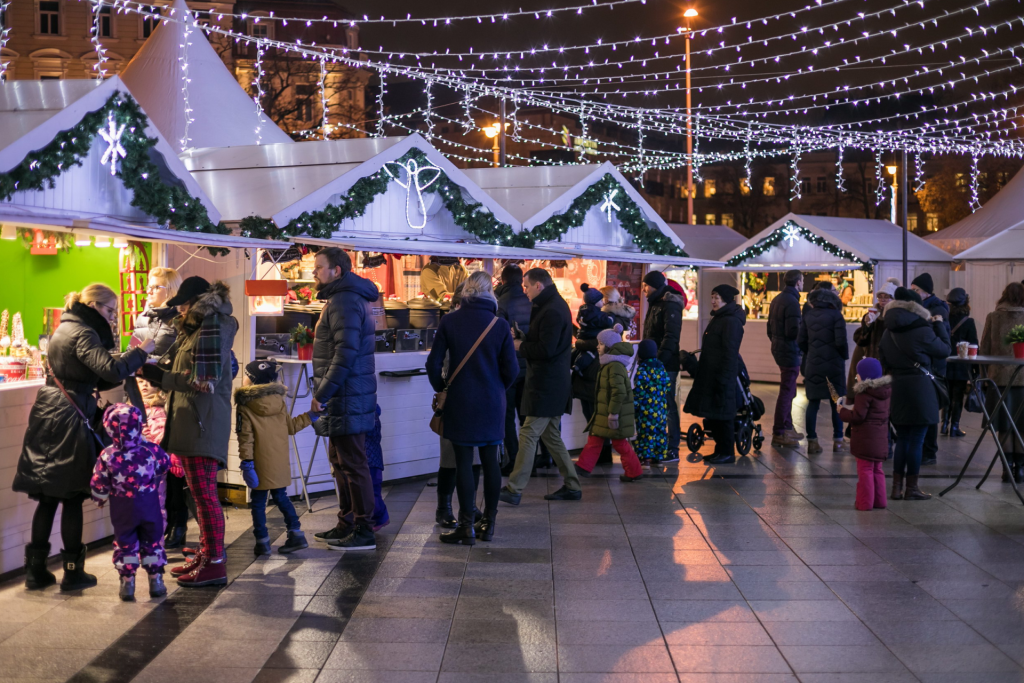
Christmas Eve in Lithuania—known as Kūčios—is not just a meal, but a deeply symbolic evening filled with rituals, customs, and beliefs that have been preserved for centuries. These traditions reflect a unique blend of ancient Baltic (pagan) practices and Christian values, creating one of the most meaningful and spiritually rich celebrations in Europe.
Preparation: Cleansing the Home and Spirit
The rituals of Christmas Eve begin long before dinner. The entire day of December 24 is dedicated to preparation and purification.
Homes are thoroughly cleaned, symbolizing a fresh start for the coming year
People bathe and wear clean clothes as a sign of inner and outer purity
Families avoid conflict and make peace with one another
Traditionally, people would also fast throughout the day
These practices reflect the belief that how you spend Christmas Eve determines the year ahead.
Waiting for the First Star
One of the most beautiful and symbolic traditions is waiting for the first star to appear in the evening sky.
The meal does not begin until the star is visible
It represents the Star of Bethlehem announcing the birth of Christ
Families often gather together and watch the sky in anticipation
This quiet moment sets the tone for the entire evening—calm, reflective, and meaningful.
Setting the Sacred Table
The Kūčios table itself is filled with symbolism and tradition.
A layer of hay is placed under the tablecloth, representing the manger where Jesus was born
The table is covered with a white cloth, symbolizing purity
Candles and evergreen branches are used to create a warm, spiritual atmosphere
An extra place setting is always left for deceased loved ones, honoring ancestors and the connection between worlds
This reflects the belief that Christmas Eve is a time when the living and the dead come together spiritually.
Sharing the Christmas Wafer (Kalėdaitis)
Before the meal begins, families perform one of the most emotional rituals:
They share a thin wafer known as kalėdaitis
Each person breaks a piece and exchanges wishes with others
It symbolizes forgiveness, unity, and reconciliation
This moment reinforces the importance of family bonds and starting the new year with goodwill.
The Ritual Meal Begins
Once all rituals are complete, the Kūčios dinner begins.
Everyone must taste all 12 dishes for good fortune in the coming year
The meal is eaten slowly and respectfully
Conversations are calm and meaningful
The atmosphere is intentionally quiet and reflective, emphasizing gratitude rather than celebration.
Ancient Beliefs & Folk Rituals
Lithuanian Christmas Eve is also filled with fascinating folklore and traditions that date back to pre-Christian times.
Fortune-Telling Traditions
After dinner, families—especially younger members—often engage in playful rituals to predict the future:
Pulling a straw from under the table (longer straw = longer life)
Throwing a shoe toward the door (predicting marriage or travel)
Observing candles or objects for signs of the future
These traditions reflect ancient beliefs about fate and the turning of the year.
Magical Night Beliefs
According to folklore:
Animals were believed to speak at midnight
The boundary between the physical and spiritual world becomes thinner
Signs and dreams on this night were thought to predict the future
While symbolic today, these beliefs highlight the mystical nature of Kūčios.
Leaving Food for the Spirits
Another powerful tradition is what happens after the meal:
The table is often left uncleared overnight
Small portions of food remain for the spirits of deceased relatives
This act symbolizes respect, remembrance, and continuity
It reinforces the idea that Kūčios is not just for the living—it includes those who came before.
A Night of Reflection and Stillness
Unlike the festive energy of Christmas Day, Christmas Eve in Lithuania is intentionally:
Quiet
Spiritual
Family-focused
There is little emphasis on entertainment or excess. Instead, the evening is about:
Gratitude
Reflection
Connection
Why These Rituals Matter
The traditions and rituals of Kūčios are what make Lithuanian Christmas traditions truly unique. They represent:
A deep respect for family and ancestry
A connection between nature, spirituality, and daily life
The preservation of ancient customs in a modern world
Read More: Best Things To Do In Alytus, Lithuania (Travel Guide)
Our Best Selling Economy Vacation Package: LITHUANIA ECONOMY TOUR – 9 DAYS /8 NIGHTS
Christmas Eve Traditions & Rituals
Christmas Eve in Lithuania—known as Kūčios—is not just a meal, but a deeply symbolic evening filled with rituals, customs, and beliefs that have been preserved for centuries. These traditions reflect a unique blend of ancient Baltic (pagan) practices and Christian values, creating one of the most meaningful and spiritually rich celebrations in Europe.
Preparation: Cleansing the Home and Spirit
The rituals of Christmas Eve begin long before dinner. The entire day of December 24 is dedicated to preparation and purification.
- Homes are thoroughly cleaned, symbolizing a fresh start for the coming year
- People bathe and wear clean clothes as a sign of inner and outer purity
- Families avoid conflict and make peace with one another
- Traditionally, people would also fast throughout the day
These practices reflect the belief that how you spend Christmas Eve determines the year ahead.
Waiting for the First Star
One of the most beautiful and symbolic traditions is waiting for the first star to appear in the evening sky.
- The meal does not begin until the star is visible
- It represents the Star of Bethlehem announcing the birth of Christ
- Families often gather together and watch the sky in anticipation
This quiet moment sets the tone for the entire evening—calm, reflective, and meaningful.
Setting the Sacred Table
Trending Grand Tour Lithuania Vacation Package: The Grand Tour of Lithuania (13 Days, 12 Nights)
Final Thoughts!
Lithuanian Christmas traditions offer a rare blend of authenticity, warmth, and deep cultural meaning. From the symbolic rituals of Kūčios to the cozy charm of festive markets in Vilnius and Kaunas, the experience goes far beyond typical holiday celebrations.
For travelers, this is not just a trip—it’s a chance to connect with centuries-old traditions, enjoy peaceful winter beauty, and experience Christmas in its most genuine form. Whether you’re exploring independently or through curated tours to Lithuania, it’s a journey that leaves a lasting impression.
Contact Vytis Tours Now!
At Vytis Tours, we’ve been the trusted journey partner for Baltic States Tours across Estonia, Latvia, and Lithuania for over 32 years—curating immersive experiences that blend iconic sights with authentic cultural encounters. Whether you’re longing to explore medieval castles, experience Lithuanian traditions, or enjoy the pristine landscapes of the Baltic coast, our expertly designed Baltic vacation packages offer flexibility, local insight, and seamless service.
Contact us today to begin planning your unforgettable adventure:
Call us at (800) 778‑9847
Email: info@vytistours.com
Visit: VytisTours.com
