

Palace of the Grand Dukes of Lithuania: Complete Travel Guide

Right in the heart of Vilnius Old Town, the Palace of the Grand Dukes of Lithuania stands as one of the most important cultural and historical landmarks in the country. While many travelers come to Vilnius for its charming streets and medieval architecture, this palace offers something deeper—a chance to step directly into Lithuania’s royal past.

Once the political and ceremonial center of the Grand Duchy of Lithuania, the palace has been carefully reconstructed to reflect its former glory. Today, it’s not just a museum, but a complete historical experience where you can explore royal chambers, exhibitions, and centuries of Lithuanian heritage under one roof.

For travelers planning their itinerary—whether independently or through curated baltic states tours—this is a place that deserves a clear spot on your list. It’s informative, visually impressive, and centrally located, making it easy to combine with other top attractions in Vilnius.

If you’re looking to understand the country beyond surface-level sightseeing, visiting the Palace of the Grand Dukes of Lithuania is one of the best ways to do it.

Discover Best Baltic States Tour Companies: Best Baltic Tour Companies & Operators 2026

Trending Grand Tour Lithuania Vacation Package: The Grand Tour of Lithuania (13 Days, 12 Nights)

What is the Palace of the Grand Dukes of Lithuania?

The Palace of the Grand Dukes of Lithuania is one of the most significant historical and cultural landmarks in Vilnius. It was once the political, administrative, and ceremonial heart of the powerful Grand Duchy of Lithuania—one of the largest and most influential states in Europe during the Middle Ages and Renaissance.

Originally constructed in the 15th century and expanded during the reign of rulers like Sigismund II Augustus, the palace served as the official residence of Lithuanian grand dukes and later Polish kings. It was here that major political decisions were made, foreign dignitaries were received, and royal ceremonies took place. At its peak, the palace symbolized the power and prestige of the Lithuanian state within Europe.

However, the palace’s history hasn’t been continuous. After suffering damage during wars in the 17th century—particularly during the Deluge (history)—the structure gradually fell into decline. By the early 19th century, under the rule of the Russian Empire, the remaining ruins were completely demolished, and the palace disappeared from the cityscape for nearly 200 years.

The version you see today is a carefully reconstructed palace, completed in the early 21st century after Lithuania regained independence. The reconstruction was based on archaeological findings, historical documents, and architectural research, making it one of the most ambitious heritage restoration projects in the Baltic region.

Today, the Palace of the Grand Dukes of Lithuania functions as a modern museum complex that combines history, archaeology, and art. Inside, visitors can explore:

  • Reconstructed royal interiors that reflect Renaissance and Baroque styles
  • Archaeological exhibits showcasing original remains of the old palace
  • Cultural and historical exhibitions that trace Lithuania’s development over centuries

What makes this palace particularly special is that it’s not just about what you see—it’s about what it represents. It stands as a symbol of Lithuania’s national identity, resilience, and cultural revival. For travelers, it offers a rare opportunity to experience a place where history has quite literally been rebuilt and brought back to life.

Whether you’re deeply interested in European history or simply want to understand the story behind modern Lithuania, visiting the Palace of the Grand Dukes of Lithuania provides essential context that you won’t get from walking the streets alone.

Read More: Best Things To Do In Kaunas, Lithuania (Travel Guide)

Our Best Selling Economy Vacation Package: LITHUANIA ECONOMY TOUR – 9 DAYS /8 NIGHTS

How to Get to the Palace of the Grand Dukes of Lithuania?

Reaching the Palace of the Grand Dukes of Lithuania is simple, but understanding the most efficient route based on your arrival point can significantly improve your overall travel experience in Vilnius. Located in the very center of the city, the palace sits within the historic core of Vilnius, making it easily accessible by foot, public transport, or taxi.

Exact Location

The palace is situated at:

Katedros aikštė 4, Vilnius 01143, Lithuania

It stands directly in Cathedral Square, next to:


This is the geographical and cultural center of Vilnius, meaning almost all routes—whether walking, driving, or public transport—lead toward this area.

Walking (Best for Most Travelers)

If you are staying anywhere in Vilnius Old Town or the central districts, walking is by far the most practical and enjoyable option.

  • From Old Town hotels: 5–15 minutes
  • From Gediminas Avenue: 5–10 minutes
  • From Užupis district: 15–20 minutes


Vilnius is a compact, pedestrian-friendly city, and the palace is positioned within a network of cobbled streets and historic landmarks. Walking not only gets you there efficiently but also allows you to explore the city organically.

Recommended for:

Public Transport (Reliable & Budget-Friendly)

Vilnius has a well-developed public transport system consisting of buses and trolleybuses.

Closest Stop:

  • Karaliaus Mindaugo tiltas

From this stop:

  • Walking time to the palace: 3–5 minutes


Routes:
Multiple bus and trolleybus lines connect this stop with all major parts of the city, including residential districts and transport hubs.

Tickets:

  • Available via mobile apps or kiosks
  • Affordable and easy to use


Recommended for:

  • Travelers staying outside Old Town
  • Visitors using lithuania tours with partial independent travel

Taxi & Ride-Sharing

Ride-hailing services like Bolt and Uber are widely available in Vilnius and are often inexpensive compared to Western Europe.

Estimated travel times:

  • From city center: 5–10 minutes
  • From Vilnius Bus/Train Station: 10–15 minutes
  • From Vilnius Airport: 15–20 minutes


This is the best option if:

  • You’re short on time
  • Traveling with luggage
  • Visiting as part of guided tours

From Vilnius International Airport

From Vilnius Airport: The palace is several kilometers away. You will need to take a taxi, ride-sharing service, or a bus (such as the 88) to reach the city center; walking from the airport is not feasible.

By Car:

While you can drive to the area, parking in the Old Town is limited, challenging, and often expensive.

Paid Parking: Nearby lots like Parking JUDU (T. Kosciuškos g. 1a) are available, though they can fill up quickly on weekends. It is recommended to arrive early if driving.

Read More: Best Things To Do In Palanga, Lithuania (Travel Guide)

Best Things to Do in Palace of the Grand Dukes of Lithuania (Top Attractions & Activities)

Visiting the Palace of the Grand Dukes of Lithuania is not just about walking through a historic building—it’s a fully immersive journey into the political, cultural, and artistic heart of one of Europe’s most powerful medieval states. Unlike many palaces that offer only surface-level exhibits, this one combines reconstructed royal interiors, archaeological discoveries, and interactive storytelling, making it one of the most rewarding attractions in Vilnius.

If you’re planning your visit, this detailed guide ensures you don’t miss anything. From grand ceremonial halls to hidden archaeological layers, here are the top things to do inside the palace—structured in a way that helps you experience it efficiently and meaningfully.

Explore the Reconstructed Royal Interiors
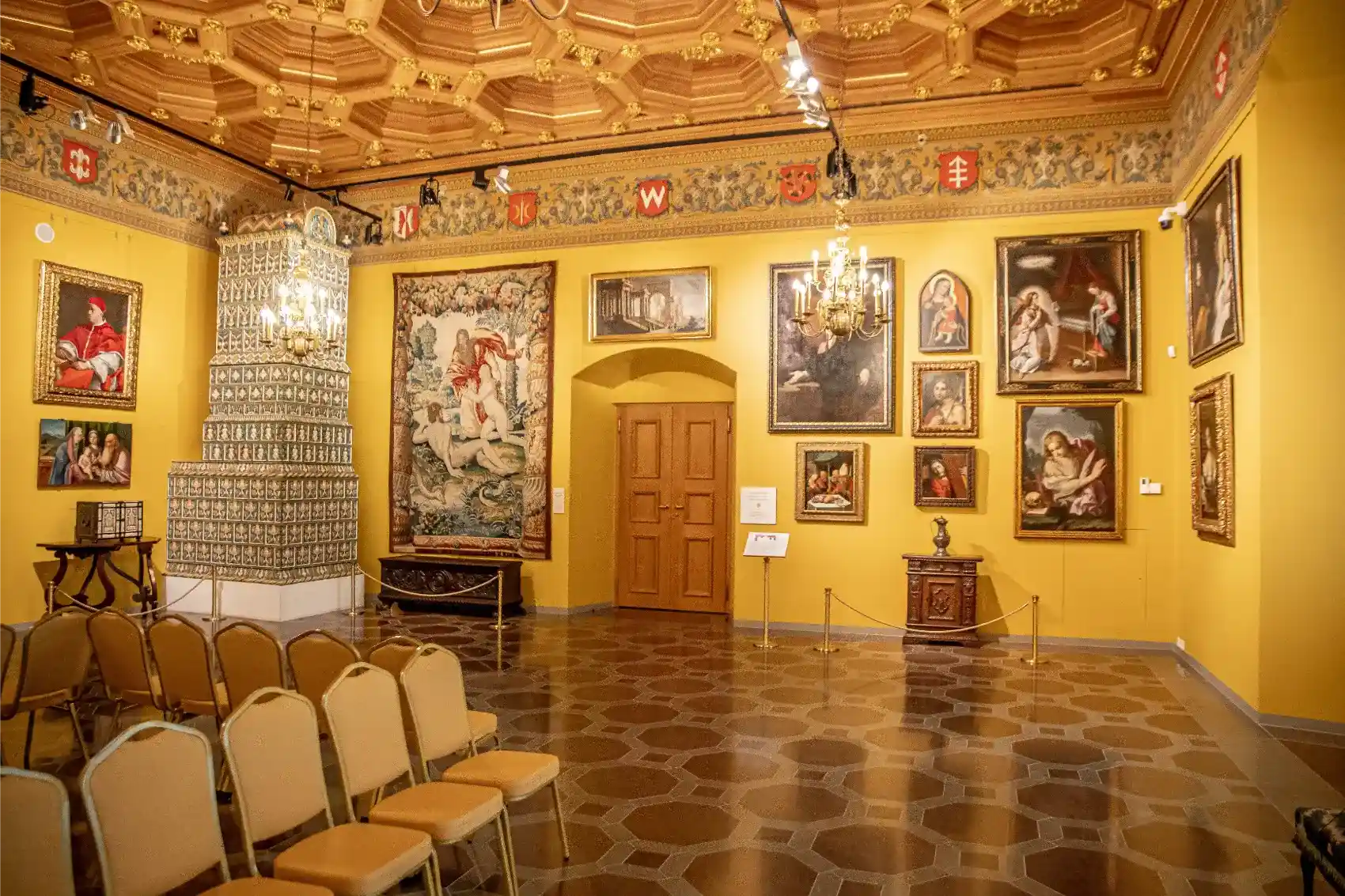
Reconstructed Royal Interiors of the Palace of the Grand Dukes of Lithuania

Image Source: zybartuva.lt

One of the main highlights of the palace is its fully reconstructed Renaissance and Baroque interiors, designed to reflect how Lithuanian rulers once lived.

As you move through the rooms, you’ll encounter:

  • Ornate halls with period-accurate furniture
  • Decorative tapestries and royal insignia
  • Intricately designed ceilings and wooden panels

These interiors are not random recreations—they are based on historical documentation and archaeological evidence, making them as close to the original as possible.

Why this matters: It allows visitors to visualize royal life, rather than just read about it.

What to focus on:

  • Audience halls where rulers met diplomats
  • Private chambers showcasing aristocratic lifestyle

For travelers on lithuania guided tours, this section often becomes the most engaging part due to expert narration explaining symbolism and design.

Visit the Grand Ceremonial Halls
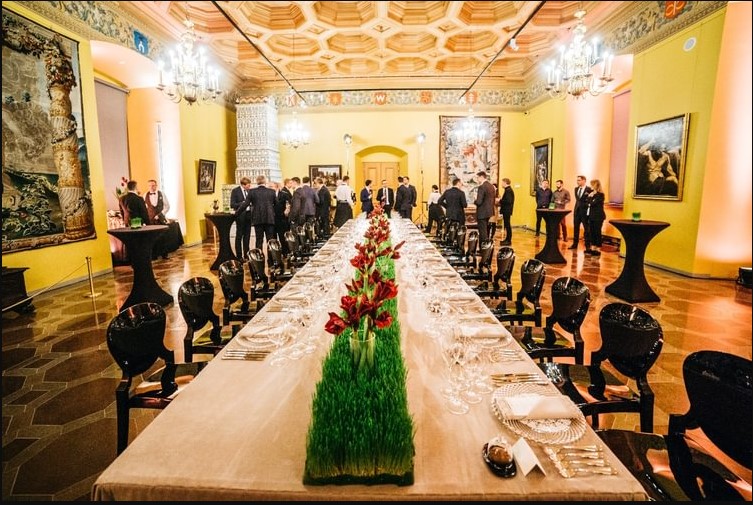
Visit the Grand Ceremonial Halls of the Palace of the Grand Dukes of Lithuania

Image Source: govilnius.lt

The ceremonial halls are among the most impressive spaces in the Palace of the Grand Dukes of Lithuania. These rooms were historically used for:

  • Political assemblies
  • Diplomatic receptions
  • Royal celebrations

Today, they are reconstructed to reflect their original grandeur, with large open spaces, high ceilings, and regal décor.

What makes them special:

  • They showcase the power and influence of the Grand Duchy
  • They provide insight into how diplomacy and governance functioned

Don’t miss:

  • The Throne Hall (symbolic centerpiece)
  • Reception halls with detailed historical context

This is where you truly understand why Lithuania was once one of the largest states in Europe.

Discover the Archaeological Excavations
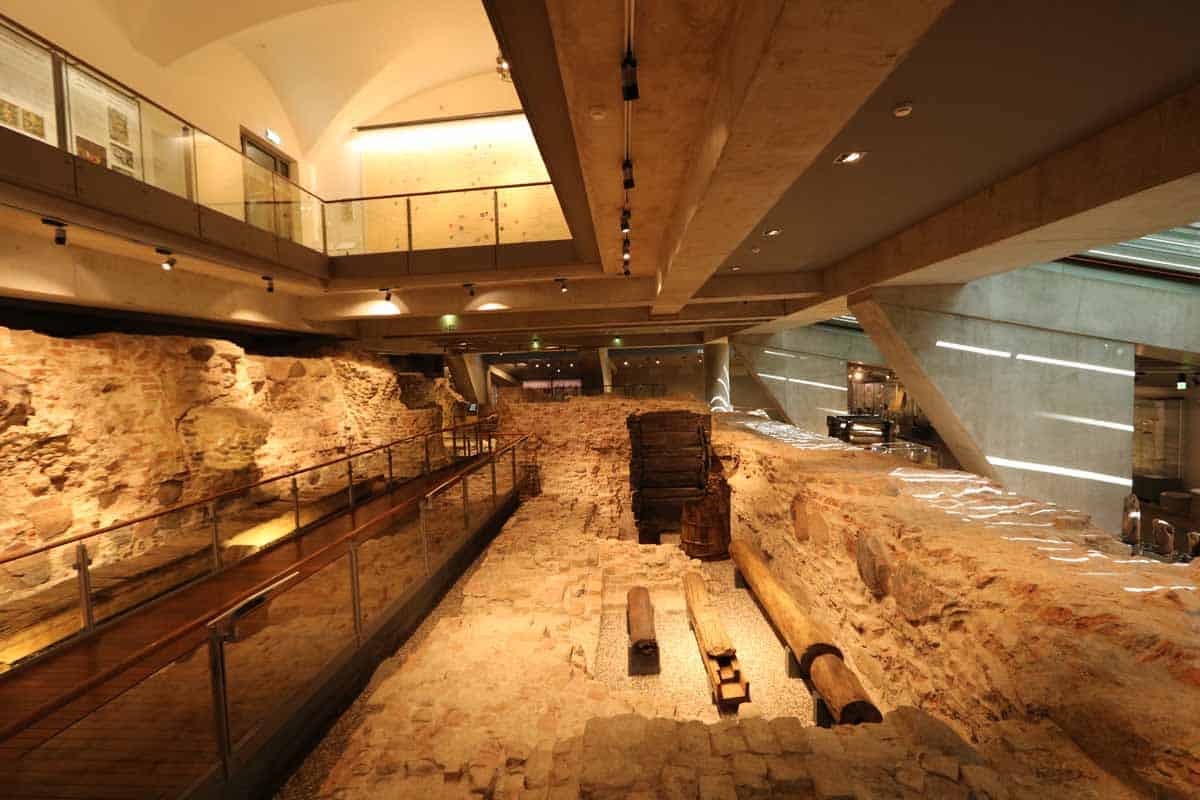
Archaeological Remains inside the Palace of the Grand Dukes of Lithuania

Beneath the reconstructed palace lies one of its most fascinating features—authentic archaeological remains of the original structure.

This allows you to see:

  • Foundations of the old palace
  • Medieval walls and structural remains
  • Artifacts uncovered during excavations

Why this is unique: Most palaces only show reconstructions, but here you can see the actual remnants of history beneath your feet.

What to expect:

  • Glass walkways over ruins
  • Informational displays explaining discoveries

For history enthusiasts, this is often the most intellectually rewarding part of the visit.

Explore Permanent Historical Exhibitions

Historical Exhibitions inside the Palace of the Grand Dukes of Lithuania

Image Source: madeinvilnius.lt

The palace houses extensive exhibitions that cover:

  • The rise of the Grand Duchy of Lithuania
  • Political alliances and conflicts
  • Cultural and artistic development

These exhibits are well-curated, combining:

  • Artifacts
  • Paintings
  • Multimedia displays

Key highlight: Understanding Lithuania’s role in European history—something often overlooked by travelers.

Best approach: Take your time here. Rushing through means missing the deeper context that makes the palace meaningful.

Experience Temporary & Rotating Exhibitions

In addition to permanent displays, the palace frequently hosts temporary exhibitions, which can include:

  • International art collections
  • Cultural showcases
  • Historical themes

Why this matters: Each visit can offer something new, even if you’ve been before.

Tip: Check exhibition schedules in advance—especially if you’re planning your trip through lithuania vacation packages or curated itineraries.

Take a Guided Tour for Deeper Insight

While the palace can be explored independently, joining a guided tour significantly enhances the experience.

Benefits:

  • Historical context explained clearly
  • Stories behind artifacts and rooms
  • Efficient navigation through the palace

Guides often share details you won’t find on display boards, making it ideal for travelers interested in deeper learning.

Best for:

  • First-time visitors
  • Cultural travelers
  • Those on structured group tours to lithuania

Use the Audio Guide for Self-Guided Exploration

If you prefer flexibility, the audio guide is an excellent alternative.

Features:

  • Multilingual support
  • Detailed explanations for each section
  • Freedom to explore at your own pace

Why choose this: It combines independence with informational depth, making it ideal for solo travelers.

Capture the Architectural Details

Photography is allowed in most areas, and the palace offers plenty of visually striking elements.

Best photo spots:

  • Grand halls
  • Staircases
  • Courtyard areas


Tip:
Focus on architectural details like ceilings, textures, and symmetry—they truly showcase the craftsmanship.

Explore the Inner Courtyard

Courtyard of the Palace of the Grand Dukes of Lithuania

Image Source: valdovurumai.lt

The courtyard is often overlooked, but it’s worth spending time here.

What makes it special:

  • Open space surrounded by historic architecture
  • Great perspective of the palace structure
  • Occasional cultural events


Why visit:
It provides a break from indoor exhibits and allows you to appreciate the scale of the palace.

Learn About Lithuania’s Political History

One of the most valuable aspects of visiting the palace is gaining a deeper understanding of Lithuania’s historical importance.

Inside, you’ll learn about:

  • The Grand Duchy’s expansion across Europe
  • Alliances like the Polish-Lithuanian Commonwealth
  • Key historical figures and events

Why this matters: It transforms your trip from sightseeing into meaningful cultural exploration.

Attend Cultural Events (If Available)

The palace occasionally hosts:

  • Concerts
  • Cultural performances
  • Educational events

Why attend: It adds a live, dynamic element to your visit.

Tip: Check schedules in advance if you want to include this in your itinerary.

Read More: Best Things To Do In Druskininkai, Lithuania (Travel Guide)

Our Best Selling Economy Vacation Package: LITHUANIA ECONOMY TOUR – 9 DAYS /8 NIGHTS

Practical Travel Tips When Visiting Palace of the Grand Dukes of Lithuania

Opening Hours & Entry Information

The Palace of the Grand Dukes of Lithuania operates year-round, but timings can vary slightly depending on the season or special events.

Standard Opening Hours

  • Tuesday – Sunday: 10:00 AM – 6:00 PM
  • Thursday (extended hours): Often open until 8:00 PM
  • Monday: Closed

Last entry is usually allowed around 1 hour before closing, so plan accordingly.

Ticket Prices (Approximate)

Ticket pricing depends on how much of the palace you want to explore.

General Admission

  • Adults: €8 – €12
  • Students / Seniors: €4 – €6
  • Children: Free or discounted

Full Exhibition Ticket

Includes:

  • Historical exhibitions
  • Reconstructed interiors
  • Archaeological displays

Recommended for most visitors as it provides the complete experience.

Additional Costs

  • Audio guide: €3 – €5
  • Guided tours: €10 – €20 (depending on group size/language)

If you want deeper insights, guided tours are worth the extra cost.

How Much Time to Spend

  • Quick visit: 1.5 hours
  • Ideal visit: 2–3 hours

If you enjoy history or museums, plan closer to 3 hours to fully explore all sections.

Best Time to Visit

Best Time of Day

  • Morning (10:00–12:00): Fewer crowds
  • Late afternoon: More relaxed atmosphere

Best Days

  • Weekdays are quieter
  • Weekends can get busy, especially during peak season

Seasonal Considerations

  • Summer (June–August): Peak tourist season, longer queues
  • Spring & Autumn: Best balance of weather and crowd levels
  • Winter: Fewer tourists, quieter experience

If you prefer a calm visit, avoid midday crowds during summer.

What to Bring

  • Comfortable walking shoes
  • Phone or camera
  • Light bag (large bags may require storage)

There’s a fair amount of walking inside the palace, so comfort matters.

Photography Rules

  • Photography is generally allowed
  • Flash and tripods may be restricted

Always check signage inside specific exhibition areas.

Facilities Available

Inside the palace, you’ll find:

  • Cloakrooms
  • Restrooms
  • Gift shop
  • Seating areas

Everything is well-maintained and visitor-friendly.

Insider Tips for a Better Experience

Start Early

Arriving early helps you avoid crowds and gives you more time to explore at your own pace.

Choose the Full Ticket

Many travelers regret taking limited access tickets. The full ticket ensures you don’t miss key sections.

Use a Guide or Audio Guide

The palace is rich in history, and without context, you might miss important details.

Combine with Nearby Attractions

Since the palace is located in central Vilnius, you can easily combine it with:

  • Vilnius Cathedral
  • Gediminas Castle Tower

Avoid Rushing

This is not a quick stop—it’s a detailed historical experience. Plan enough time to fully appreciate it.

Read More: Best Things To Do In Siauliai, Lithuania (Travel Guide)

Trending Grand Tour Lithuania Vacation Package: The Grand Tour of Lithuania (13 Days, 12 Nights)

Final Thoughts!

The Palace of the Grand Dukes of Lithuania is more than just a museum—it’s a gateway into the country’s royal past and cultural identity. Set in the heart of Vilnius, it offers a well-balanced experience of history, architecture, and storytelling that appeals to both casual travelers and history enthusiasts.

Whether you’re exploring independently or through curated lithuania tours, this landmark delivers real value—educational, visual, and experiential. Plan your visit well, take your time inside, and you’ll walk away with a deeper understanding of Lithuania beyond its surface.

For anyone building a meaningful itinerary, this is one stop you shouldn’t skip.

For more inspiration and travel planning across Lithuania, check out these detailed guides:

Each of these guides is packed with insights, tips, and top attractions to make your Lithuanian journey unforgettable.

Contact Vytis Tours Now!

At Vytis Tours, we’ve been the trusted journey partner for Baltic States Tours across Estonia, Latvia, and Lithuania for over 32 years—curating immersive experiences that blend iconic sights with authentic cultural encounters. Whether you’re longing to explore medieval castles, experience Lithuanian traditions, or enjoy the pristine landscapes of the Baltic coast, our expertly designed Baltic vacation packages offer flexibility, local insight, and seamless service.

Contact us today to begin planning your unforgettable adventure:

Request A Quote!

Our Adventure Awaits Reserve Your Tour

sign up to our mailing list