

The best souvenirs to buy in the Baltics are items that reflect the region’s craft traditions, natural materials, food culture, and design. In Estonia, Latvia, and Lithuania, look for linen textiles, wool accessories, handmade ceramics, woodcraft, local sweets, and contemporary products by independent makers. Baltic amber is especially associated with Lithuania and the wider Baltic coast, but an amber item sold in Estonia is not necessarily made there. The right choice depends on your budget, luggage space, and whether you want something decorative, useful, edible, or easy to carry home.
Although Estonia, Latvia, and Lithuania share a coastline and some cultural influences, each country has its own creative identity. A good souvenir guide should help you tell the difference, recognize quality, and avoid buying something marketed as local when its origin is unclear. Ask sellers where an item was made—not just where it is being sold—and use the ideas below as a starting point.
Read More: 30 Interesting Facts About Latvia
1. Baltic Amber: A Classic Souvenir from the Coast
Amber is fossilized tree resin, prized for its warm honey, cognac, and milky shades. It is strongly associated with Lithuania’s Baltic coast and the historic amber trade. You’ll find it fashioned into necklaces, earrings, pendants, bracelets, and small decorative objects in markets and jewelry shops. If you shop for amber in Estonia, remember that amber is not an Estonian-origin product simply because it is sold there; ask where the material and finished jewelry come from.
How to choose amber jewelry
Ask whether the piece is natural amber, pressed amber made from smaller fragments, or an imitation material. These can look similar in a shop window but differ in composition and value. Request a receipt that describes the item accurately, and be cautious of unusually low prices for large, flawless stones. Avoid destructive home tests, which can damage jewelry. If the piece is expensive, buy from a reputable jeweler who can explain its origin and provide documentation.
Amber is lightweight and easy to pack, but delicate settings and thin chains can tangle or break. Store it in a soft pouch rather than loose in a bag.
2. Linen and Natural-Fiber Textiles
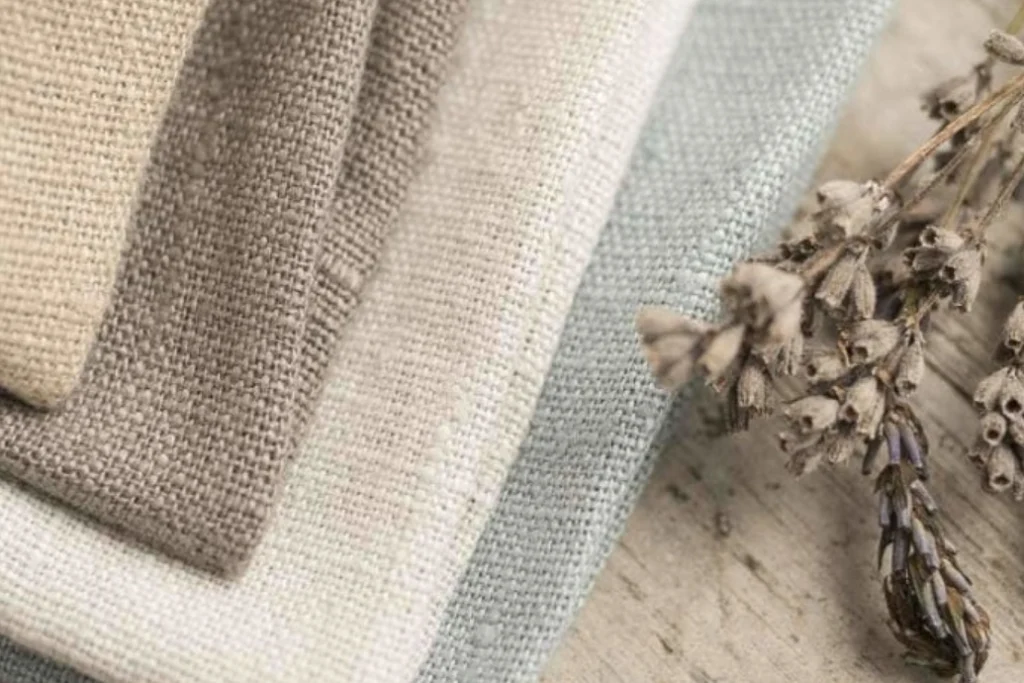
Linen is a practical souvenir because it is lightweight, durable, and easy to use at home. Look for table runners, tea towels, napkins, scarves, tote bags, and simple clothing. Traditional woven patterns may draw on regional folk design, while newer makers often use muted colors and minimalist shapes.
Check the fiber label instead of assuming every beige textile is linen. Feel the fabric, inspect the seams, and ask where it was woven or sewn. Linen wrinkles naturally, so a slightly rumpled appearance is not necessarily a sign of poor quality. If you want a gift that fits easily in a suitcase, a small tea towel or napkin set is a sensible option.
Trending New Year Latvia Vacation Package : New Years in Riga December 4 Days / 3 Nights The Grand Tour of Lithuania (13 Days, 12 Nights)
3. Wool Mittens, Socks, and Knitted Accessories
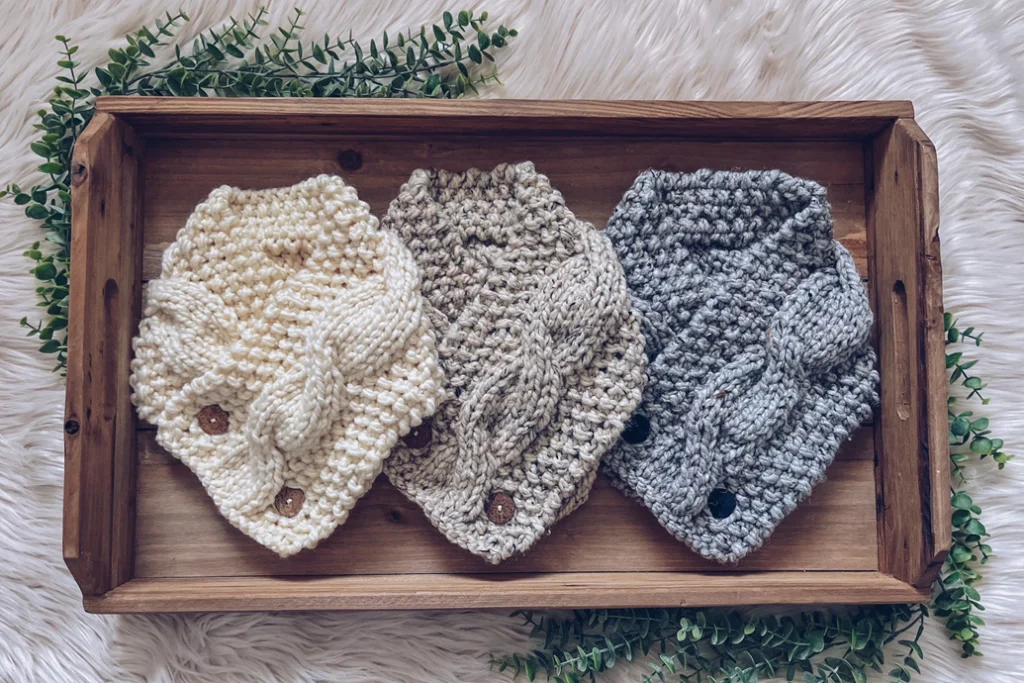
Wool hats, mittens, socks, and scarves make useful souvenirs, particularly if you visit in autumn or winter. Look for hand-knitted pieces with geometric patterns or colors inspired by local folk costumes. Markets and craft shops may offer both handmade products and factory-made versions.
Ask whether an item is hand-knitted and what fiber it contains. Wool blends can be softer or easier to care for, while pure wool may need more careful washing. Check the label for cleaning instructions, and gently inspect the inside for loose ends or uneven finishing. For a compact gift, mittens and socks are easier to pack than bulky sweaters.
4. Ceramics, Woodcraft, and Handmade Homewares
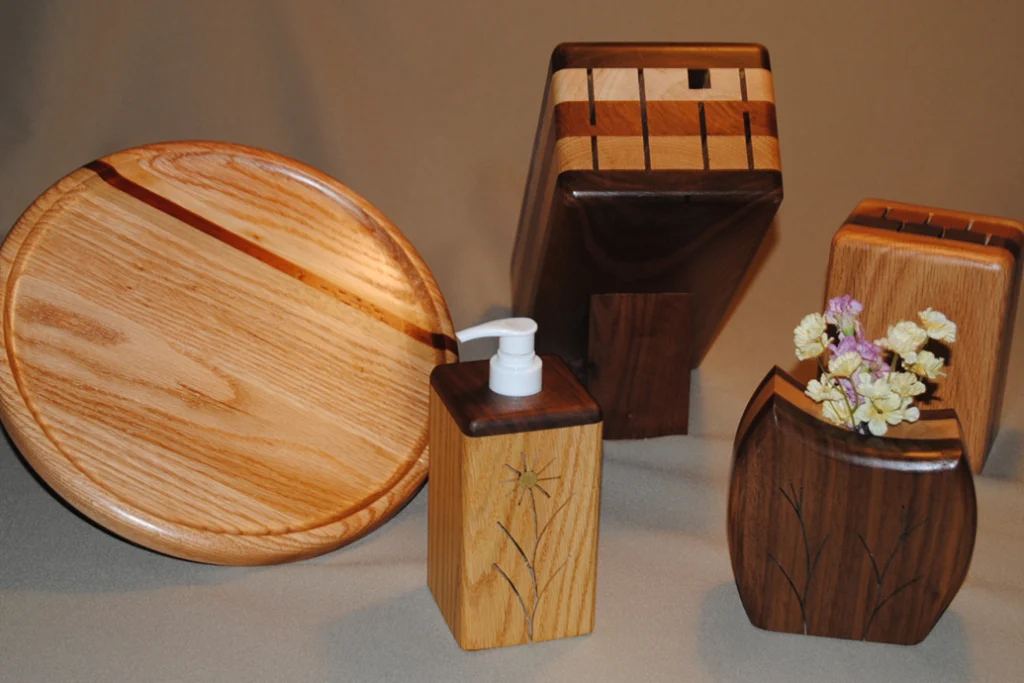
Pottery, wooden utensils, carved objects, candleholders, and small home decorations bring Baltic craft into everyday life. Contemporary studios may pair clean, modern forms with natural textures, while traditional pieces can feature folk motifs or local materials.
When shopping for ceramics, check for chips, hairline cracks, and uneven glazing. If you plan to use a bowl or mug for food, confirm that the glaze is food-safe. For wooden kitchenware, ask what finish was used and how to care for it. Choose smaller pieces if you are traveling with limited luggage, and ask the shop to wrap fragile items securely for the journey.
5. Local Food and Sweets to Bring Home
Edible souvenirs are excellent for people who prefer something to share rather than display. Depending on the country and season, look for Lithuanian šakotis tree cake, Latvian rye-bread products or sweets, Estonian marzipan, chocolates, herbal teas, honey, and preserves. Specialty food shops often make it easier to compare ingredients and packaging than busy tourist stalls.
Before buying food for an international flight, check your destination’s customs and agricultural rules. Meat, dairy, fresh produce, seeds, and some homemade foods may be restricted, especially when entering countries with strict biosecurity rules. Factory-sealed sweets and dry goods are often simpler to transport, but rules still vary. Check the official customs authority for your destination before purchasing.
Look at the ingredient list, best-before date, and storage instructions. If you are buying a delicate cake or glass jar, ask whether the seller has travel packaging. Avoid buying more than you can realistically carry or consume.
6. Folk-Inspired Jewelry, Prints, and Modern Baltic Design
Which Baltic Souvenir Should You Buy?
| If you want… | Consider buying… | Before you pay |
|---|---|---|
| A lasting keepsake | Amber jewelry or handmade ceramics | Ask about materials, maker, and authenticity. |
| A useful gift | Linen towels, wool socks, or mittens | Check fiber content and care instructions. |
| A low-bulk souvenir | Prints, postcards, small jewelry | Protect paper and delicate pieces in your luggage. |
| Something to share | Sealed sweets, tea, or packaged local treats | Check ingredients, date, and import rules. |
| A design-led gift | Work from an independent Baltic artist | Look for the artist or studio name and place of production. |
7. Where to Shop and How to Buy Responsibly
Historic centers in Tallinn, Riga, and Vilnius have souvenir shops and craft boutiques, while seasonal markets and artisan fairs can offer more direct contact with makers. Museums sometimes operate design shops featuring objects connected to local history and material culture. For a more personal purchase, ask hotel staff or a visitor information center about current craft markets and independent studios.
Tourist areas are convenient, but compare prices and labels before deciding. Ask simple questions: Who made this? Where was it produced? What material is it? Is it handmade or factory-made? A trustworthy seller should be able to answer clearly without pressuring you to buy.
Responsible shopping means respecting the origin of what you purchase. Avoid items made from protected wildlife, unverified archaeological objects, or materials whose legality is unclear. For cultural objects, choose contemporary work sold transparently by a maker or reputable shop. Keep receipts for valuable purchases, especially jewelry.
Historic centers in Tallinn, Riga, and Vilnius have souvenir shops and craft boutiques, while seasonal markets and artisan fairs can offer more direct contact with makers. Museums sometimes operate design shops featuring objects connected to local history and material culture. For a more personal purchase, ask hotel staff or a visitor information center about current craft markets and independent studios.
Tourist areas are convenient, but compare prices and labels before deciding. Ask simple questions: Who made this? Where was it produced? What material is it? Is it handmade or factory-made? A trustworthy seller should be able to answer clearly without pressuring you to buy.
Responsible shopping means respecting the origin of what you purchase. Avoid items made from protected wildlife, unverified archaeological objects, or materials whose legality is unclear. For cultural objects, choose contemporary work sold transparently by a maker or reputable shop. Keep receipts for valuable purchases, especially jewelry.
Trending New Year Latvia Vacation Package : New Years in Riga December 4 Days / 3 Nights The Grand Tour of Lithuania (13 Days, 12 Nights)
A Quick Souvenir Shopping Checklist
- Choose an item you will use, display, or genuinely enjoy.
- Check the material, country of manufacture, and maker when available.
- Compare prices and be cautious of claims that sound too good to be true.
- Ask for safe packaging for glass, ceramics, and jewelry.
- Check airline baggage limits and your destination’s customs rules for food or plant products.
- Keep receipts and any authenticity or care information.
Frequently Asked Questions
What is the most famous souvenir from the Baltics?
Baltic amber is one of the region’s best-known souvenirs, especially in Lithuania and along the Baltic coast. Linen, wool accessories, crafts, and local foods are also popular.
What is the most famous souvenir from the Baltics?
Consider amber and linen in Lithuania, wool and craft products across the region, and marzipan or design-focused gifts in Estonia. These are broad ideas, not exclusive national specialties; makers and products vary by city.
Are Baltic souvenirs expensive?
Prices vary widely. Postcards and packaged sweets are usually budget-friendly, while handmade ceramics, designer products, and genuine amber jewelry can cost more. Compare quality and ask about materials before paying.
Can I bring Baltic food souvenirs home?
Often you can bring sealed, shelf-stable foods, but restrictions depend on your destination and the product. Check official customs rules before buying items containing meat, dairy, seeds, or fresh ingredients.
How can I tell if amber is real?
Appearance alone may not be enough to distinguish natural amber from pressed amber or imitation materials. Buy from a reputable seller, ask for a clear description, and request documentation for higher-value pieces. Avoid tests that could damage the item.
Final Thoughts
The best Baltic souvenirs tell a story about the place, maker, or tradition behind them. Amber offers a connection to the region’s coastal heritage; linen and wool are practical reminders of local textile craft; ceramics and modern design bring Baltic creativity into everyday life; and packaged treats let you share a taste of the trip. Shop thoughtfully, ask questions, and choose quality and provenance over the number of items you can fit in your suitcase.
