

If you’re planning a trip to coastal Lithuania, the Lithuanian Sea Museum is one destination you simply shouldn’t miss. Located near Klaipėda on the stunning Curonian Spit, this unique attraction combines marine life, history, and family-friendly experiences in one unforgettable setting.
Housed inside a restored 19th-century fortress, the museum offers far more than just exhibits. From fascinating aquariums and engaging maritime displays to the famous dolphinarium shows, it delivers a well-rounded experience that appeals to both casual travelers and those looking for deeper cultural insights. Its scenic location—surrounded by dunes, forests, and the Baltic Sea—only adds to its charm.
Whether you’re exploring independently or considering curated lithuania tours, this guide will help you plan your visit with confidence. From how to get there to the best things to do, practical tips, and nearby attractions, you’ll find everything you need to make the most of your time at the Lithuanian Sea Museum.
Discover Best Baltic States Tour Companies: Best Baltic Tour Companies & Operators 2026
Trending Grand Tour Lithuania Vacation Package: The Grand Tour of Lithuania (13 Days, 12 Nights)
How to Reach Lithuanian Sea Museum?
Reaching the Lithuanian Sea Museum is a unique part of the experience—because it’s not located in the city center, but on the scenic Curonian Spit near Klaipėda. This means you’ll need to take a short ferry ride, which is both essential and enjoyable.
Here’s a complete, accurate breakdown to help you plan your journey smoothly.
Exact Location
Smiltynės g. 3, Klaipėda, Lithuania
The museum is situated in Smiltynė, at the northern tip of the Curonian Spit, inside a historic fortress.
Step 1: Reach Klaipėda (Main Gateway)
First, you need to reach Klaipėda, Lithuania’s main coastal city.
From Vilnius:
- Distance: ~310 km
- Travel time:
- Train: ~4 hours
- Bus: ~4–5 hours
From Kaunas:
- Distance: ~200 km
- Travel time: ~2.5–3 hours
Klaipėda is well-connected, making it the starting point for all routes to the museum.
Step 2: Take a Ferry to Smiltynė (Essential Step)
Since the museum is across the lagoon, a ferry is mandatory.
Option 1: Passenger Ferry (Best Choice)
Depart from:
- Old Ferry Terminal (Danės g. 1, Klaipėda)
Recommended for most travelers
Located near Klaipėda Old Town
- Travel time: 5–10 minutes
- Runs frequently (every 30–60 minutes depending on season)
This is the easiest, fastest, and most popular option.
Option 2: Car Ferry
Depart from:
- New Ferry Terminal (Nemuno g. 8, Klaipėda)
Suitable if traveling by car
- Travel time: ~10 minutes
- Distance after crossing: ~8 km to museum
Note: Traffic and parking can be difficult in summer.
Step 3: From Smiltynė Ferry to the Museum
Once you arrive in Smiltynė, you have several options:
Walking (Most Popular)
- Distance: ~1.6–1.8 km
- Time: ~20 minutes
A scenic walk through forested paths—highly recommended.
Shuttle Train
- Small tourist train available
- Runs according to ferry schedules
Good option for families or those short on time.
Bicycle
- You can bring bikes on the ferry
- Flat, easy route
Ideal for active travelers exploring the Curonian Spit.
Public Transport Option
Within Klaipėda:
- Take local buses to the ferry terminal
- Example: Bus 8 connects station areas to the ferry zone
After ferry:
- Limited local transport on the spit
- Walking or cycling is more practical
Read More: Palace of the Grand Dukes of Lithuania: Complete Travel Guide
Our Best Selling Economy Vacation Package: LITHUANIA ECONOMY TOUR – 9 DAYS /8 NIGHTS
Best Things to Do at the Lithuanian Sea Museum (Top Attractions & Activities)
The Lithuanian Sea Museum is far more than a traditional museum—it’s a multi-layered experience combining marine life, history, culture, and nature. Set within a historic fortress on the Curonian Spit, it offers a diverse range of attractions that appeal to families, nature lovers, and curious travelers alike.
This section covers everything you should see and do, with detailed insights to help you plan your visit like a pro.
Experience the Dolphinarium Show (The Highlight)
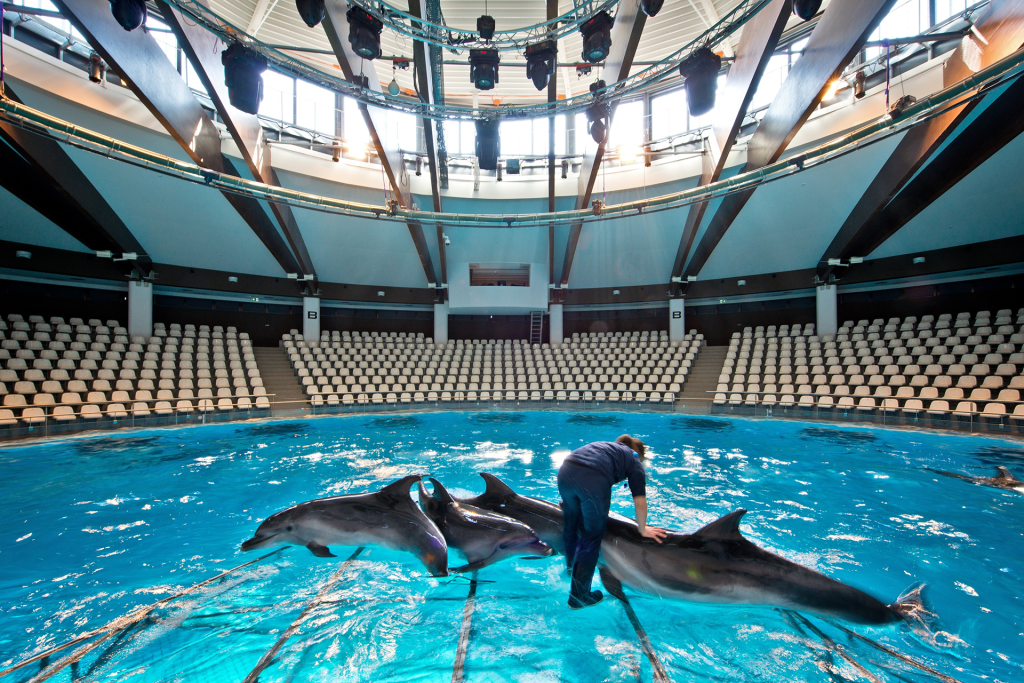
One of the biggest reasons travelers visit the Lithuanian Sea Museum is the Dolphinarium, the only one of its kind on the eastern Baltic coast.
Here, you’ll witness:
- Bottlenose dolphins performing synchronized routines
- Sea lions showcasing agility and playful behavior
- Interactive, educational storytelling during the show
The performances are not just entertainment—they are designed to educate visitors about marine life, conservation, and dolphin behavior.
The arena seats around 1,000 spectators, and shows run multiple times daily in peak season, often selling out quickly.
Why it’s special: This is the emotional centerpiece of the museum—engaging, informative, and memorable for all age groups.
Pro tip: Book tickets in advance, especially in summer, as shows fill up fast.
Walk Through the Aquarium Tunnel (Immersive Experience)
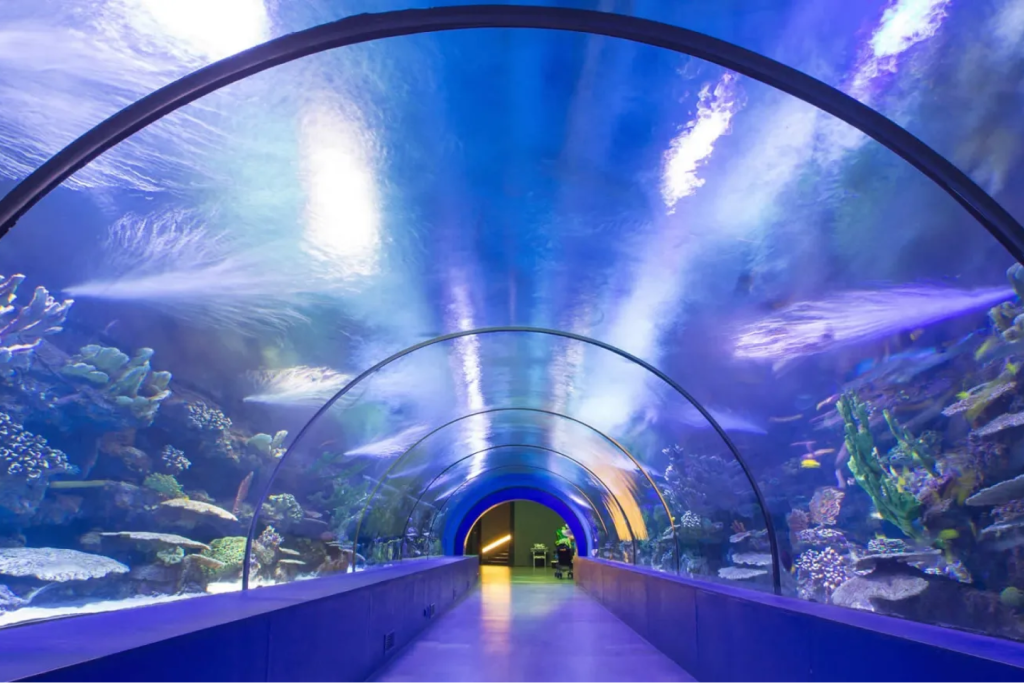
The aquarium section is one of the most visually impressive parts of the museum.
Highlights include:
- A glass tunnel where fish, sharks, and rays swim overhead
- Carefully curated ecosystems—from Lithuanian freshwater species to tropical marine life
- Over 20+ aquariums showcasing diverse habitats
Walking through the tunnel creates the feeling of being completely submerged underwater, making it one of the most immersive experiences in Lithuania.
What you’ll see:
- Baltic Sea fish
- Exotic tropical species
- Coral reef ecosystems
- Large sturgeons and rare marine creatures
Why it stands out: It’s not just a display—it’s a journey through different aquatic worlds.
Watch Seals & Sea Lions in Outdoor Pools
Step outside, and you’ll find open-air enclosures featuring:
- Seals
- California sea lions
- Occasionally penguins depending on the season
These animals are housed in spacious outdoor pools where visitors can:
- Observe natural behavior
- Watch feeding sessions
- Enjoy seasonal performances
Why visit this section: It offers a relaxed environment where you can observe marine mammals up close without crowds typical of indoor exhibits.
Best time: Morning or early afternoon when animals are most active.
Explore Maritime History Exhibitions
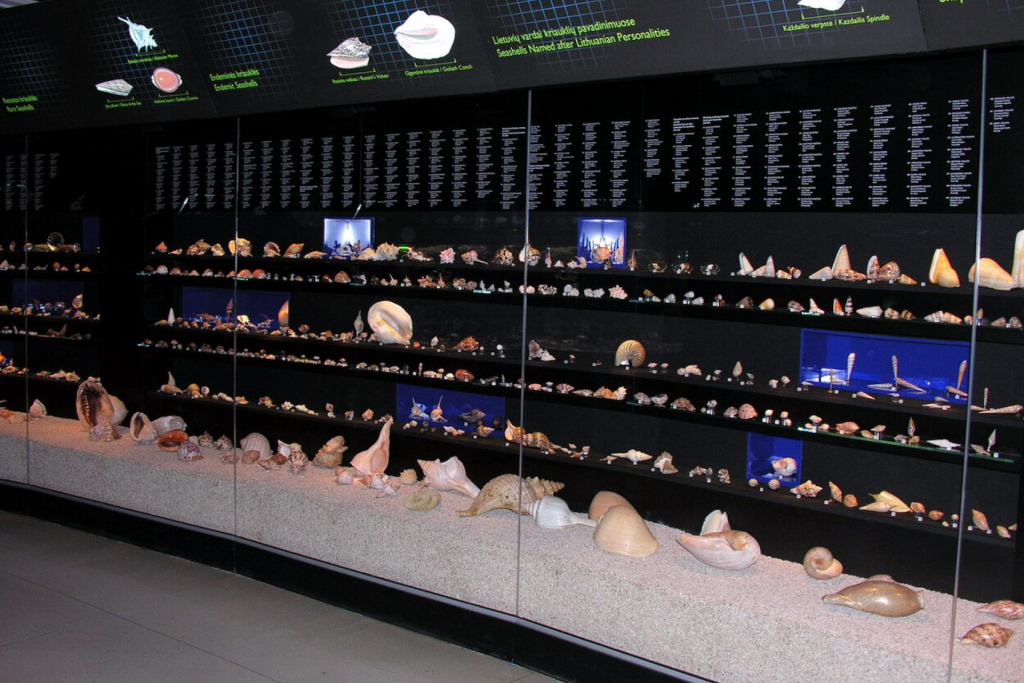
Inside the historic fortress, you’ll discover detailed exhibits on Lithuania’s relationship with the sea.
These include:
- The evolution of Baltic shipping
- Fishing traditions and coastal life
- Shipwrecks and naval history
- Maritime artifacts and models
The exhibits are spread across underground tunnels and historic halls, adding a sense of authenticity to the experience.
Why it matters: This section transforms your visit from entertainment into a deeper cultural and historical journey.
Visit the Ship-Museum M52 “Sūduvis”
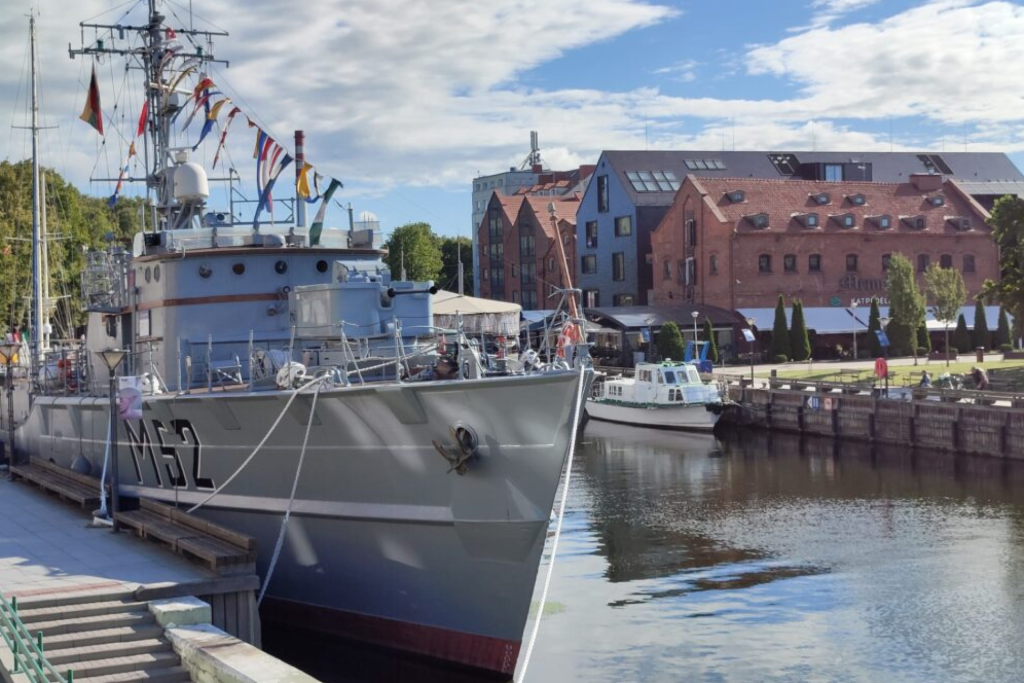
One of the most unique attractions within the complex is the authentic warship M52 “Sūduvis”.
Here, you can:
- Step aboard a real naval vessel
- Explore its decks and compartments
- Learn about Lithuania’s naval defense history
Why it’s worth your time: It offers a rare, hands-on perspective of maritime life—something most museums cannot replicate.
Discover the Ethnographic Fisherman’s Homestead
This reconstructed homestead provides insight into traditional Lithuanian coastal life.
You’ll see:
- Old fishing tools and equipment
- Traditional wooden buildings
- Authentic representations of daily life
What makes it special: It connects the marine environment with human history—showing how communities lived, worked, and survived by the sea.
Perfect for: Travelers interested in culture, heritage, and slow travel experiences.
Explore the Old Fishing Boats Yard
Another fascinating outdoor exhibit is the collection of historic fishing boats.
Here, you’ll find:
- Traditional Baltic fishing vessels
- Large-scale maritime equipment
- Displays explaining fishing techniques
Why it’s interesting: It adds depth to your understanding of the region’s economy and traditions.
Learn About Marine Biodiversity (Educational Exhibits)
The museum houses over 80,000 marine-related exhibits, making it one of the most comprehensive marine collections in the region.
You’ll learn about:
- Marine ecosystems
- Ocean conservation
- Species diversity across different seas
Why this matters: The museum’s mission goes beyond display—it focuses on education, conservation, and awareness.
Visit the Baltic Sea Animal Rehabilitation Center
This modern facility is dedicated to:
- Treating injured marine animals
- Rehabilitation and release programs
- Public awareness about marine conservation
Why it’s important: It shows the museum’s active role in protecting marine ecosystems, not just showcasing them.
Learn About Dolphin Therapy Programs
The museum also runs specialized dolphin-assisted therapy programs, helping individuals with:
- Autism spectrum disorders
- Physical and neurological conditions
Why this stands out: It highlights a meaningful connection between humans and marine life, going beyond tourism.
Enjoy the Scenic Surroundings of the Curonian Spit
The museum is located on the breathtaking Curonian Spit, meaning the experience extends beyond the museum itself.
Take time to:
- Walk through pine forests
- Enjoy fresh Baltic Sea air
- Relax in natural surroundings
Why this enhances your visit: It turns your trip into a nature + culture experience combined.
Visit the Souvenir Shops
Inside the complex, you’ll find:
- Marine-themed souvenirs
- Educational toys for kids
- Baltic-inspired gifts
Tip: Look for locally inspired items rather than generic souvenirs.
Relax at the On-Site Café
After exploring, take a break at the café near the Dolphinarium.
Enjoy:
- Light meals
- Coffee and desserts
- Views of the surrounding nature
Why it’s useful: Perfect for recharging, especially if you’re spending several hours at the museum.
Join Educational Programs & Guided Tours
The museum offers:
- Guided tours
- Interactive educational sessions
- Workshops for families and groups
Best for: Travelers who want a deeper understanding of marine science and history.
Read More: Best Things To Do In Druskininkai, Lithuania (Travel Guide)
Our Best Selling Economy Vacation Package: LITHUANIA ECONOMY TOUR – 9 DAYS /8 NIGHTS
Opening Hours, Tickets & Entry Information
Opening Hours (Seasonal Schedule)
The museum does not operate on a fixed year-round schedule, so always plan according to the season.
Spring & Autumn (April–May, September–October)
- Open: Wednesday to Sunday
- Closed: Mondays & Tuesdays
- Museum & Aquarium: 10:30 AM – 5:00/6:00 PM
- Dolphin shows: Usually 12:00 PM & 3:00 PM
Summer (June – August)
- Open: Tuesday to Sunday
- Museum & Aquarium: 10:30 AM – 6:30 PM
- Dolphin shows: Multiple times daily (approx. 3–4 shows)
This is the peak season, with extended hours and more frequent performances.
Winter (November – March)
- Open: Mostly Friday to Sunday only
- Museum & Aquarium: 10:30 AM – 5:00 PM
- Limited dolphin shows (usually 1–2 per day)
Important: Many travelers are caught off guard by limited winter opening days.
Key Note
- Most museums in Lithuania (including this one) are typically closed on Mondays
- Always check the latest schedule before visiting, especially in off-season
Ticket Prices
- Aquarium & Museum:
- Adults: €9.00
- Discounted (Children 4+, students, seniors): €6.00
- Dolphin Performance:
- Adults: €8.00
- Discounted (Children 4+, students, seniors): €4.00
- Free Admission: Children under 7 (for Museum/Aquarium) and under 4 (for Dolphinarium) enter for free. Free-of-charge Sundays occur on the last Sunday of each month
Where to Buy Tickets
You have multiple options:
On-site
- Ticket counters at the museum
- Self-service machines (card payments only)
Online
- Official website (recommended in peak season)
Read More: Best Things To Do In Alytus, Lithuania (Travel Guide)
Trending Grand Tour Lithuania Vacation Package: The Grand Tour of Lithuania (13 Days, 12 Nights)
Practical Travel Tips for Visiting Lithuanian Sea Museum
Getting There: The Ferry Experience
Timing Your Visit
Inside the Museum
Essential Comforts
Read More: Best Things to Do in Trakai, Lithuania Guide (2026)
Final Thoughts!
The Lithuanian Sea Museum is more than just a museum—it’s a complete coastal experience that blends marine life, history, and nature in one unique setting. From the dolphinarium and immersive aquariums to its location on the Curonian Spit, every element adds value to your visit.
With the right planning, it becomes a seamless and memorable part of your itinerary—whether you’re traveling independently or through guided lithuania tours.
Take your time, plan smartly, and this will easily be one of the highlights of your Lithuania trip.
For more inspiration and travel planning across Lithuania, check out these detailed guides:
Guide to Visiting Devil’s Museum in Lithuania for Travelers!
Guide to Visiting Grutas Park in Lithuania for Travelers (Guide)
- Best Things To Do In Telsiai, Lithuania (Travel Guide)
Each of these guides is packed with insights, tips, and top attractions to make your Lithuanian journey unforgettable.
Contact Vytis Tours Now!
At Vytis Tours, we’ve been the trusted journey partner for Baltic States Tours across Estonia, Latvia, and Lithuania for over 32 years—curating immersive experiences that blend iconic sights with authentic cultural encounters. Whether you’re longing to explore medieval castles, experience Lithuanian traditions, or enjoy the pristine landscapes of the Baltic coast, our expertly designed Baltic vacation packages offer flexibility, local insight, and seamless service.
Contact us today to begin planning your unforgettable adventure:
Call us at (800) 778‑9847
Email: info@vytistours.com
Visit: VytisTours.com
