

Book Flexible and Budget-Friendly Lithuania Travel Packages Today
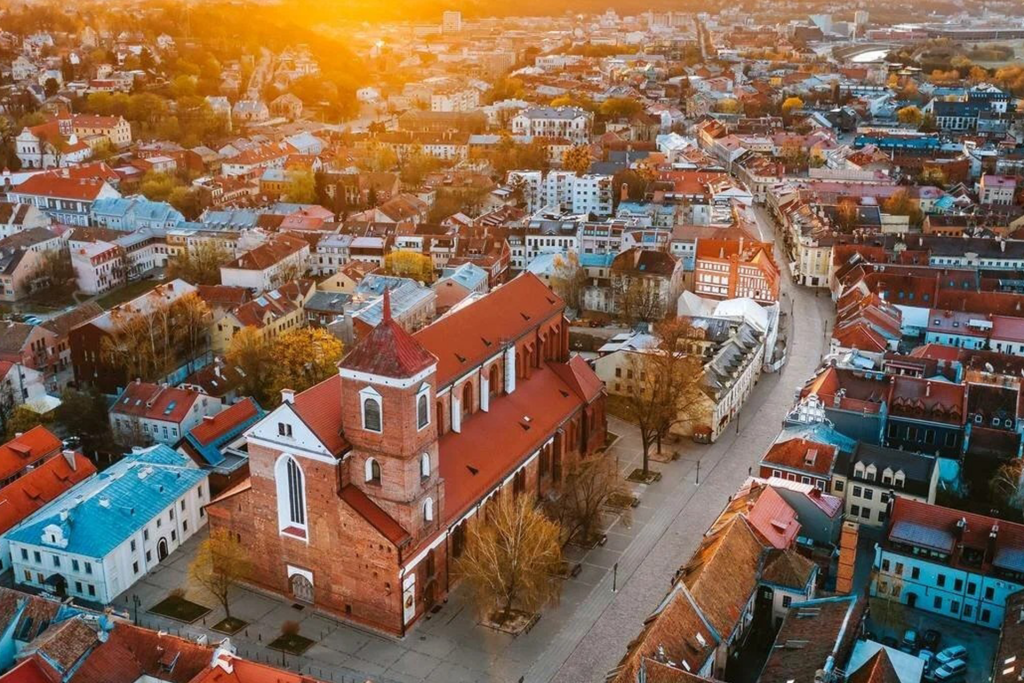
Reading Time: 10 minutesLet’s talk about something that doesn’t get said often enough in travel: budget-friendly doesn’t have to mean basic. And flexible doesn’t have to mean figuring everything out yourself. These two things, affordability and flexibility, are often treated as if you have to choose one or the other, or as if both together mean you’re getting a stripped-down, DIY experience where things go wrong at the worst moments. Lithuania blows that assumption apart completely. It’s one of those rare European destinations where the cost of living is genuinely low, the quality of experience is genuinely high, and the range of well-organized Lithuania travel packages available through specialist operators means you can have a structured, expertly guided trip at a price point that would buy you a couple of nights in Paris. The flexibility piece matters just as much. Modern travelers, whether that’s a professional squeezing a meaningful trip into two weeks of annual leave, a couple planning around school calendars, a group of friends with different priorities, or a solo traveler who wants to go deep into a country without the logistical stress of planning everything from scratch, need packages that bend around their lives, not the other way around. The best Lithuania travel packages on the market today are built with exactly that kind of adaptability in mind. What does that actually look like in practice? It means being able to choose your duration, a focused 8-day trip or a comprehensive 13-day immersion. It means having genuine options about which regions and experiences to prioritize. It means working with an operator who will actually talk to you about what you want from the trip rather than slotting you into a pre-set template. And it means transparent, all-in pricing so you know exactly what you’re booking, no hidden costs discovered mid-trip. This guide covers all of it. We’ll walk through what makes a Lithuania travel package genuinely flexible and genuinely budget-friendly, what the country offers across different travel styles and timelines, and why Vytis Tours has been the go-to specialist for exactly this kind of Lithuanian experience for over 33 years. Read More: Lithuania Travel Guide 2026: Everything You Need to Know Trending Lithuania Vacation Package: LITHUANIAN ECONOMY TOUR – 9 DAYS / 8 NIGHTS Request a Quote for Your Lithuania Vacation Package Today! Book Your Estonia Tour Now! Why Lithuania Is the Perfect Destination for Flexible, Budget-Conscious Travelers Before we get into the packages themselves, it’s worth understanding why Lithuania, specifically, works so well for travelers who want value and adaptability. One of the EU’s Most Affordable Travel Destinations Lithuania is consistently among the most affordable countries in the European Union for international visitors. That affordability runs across the board: accommodation, food, local transport, museum entry fees, guided excursions, and day trips all cost a fraction of what equivalent quality would set you back in Western Europe. For context: a quality lunch at a traditional restaurant in Vilnius or Kaunas typically costs €8–€15. A 4-star hotel room in the heart of the Old Town costs considerably less per night than a 3-star equivalent in many Western capitals. Entrance fees to major museums and historical sites are measured in single-digit euros, not double digits. This structural affordability means that a well-organized Lithuania travel package delivers an experience that would cost significantly more to replicate elsewhere, and it’s not because corners are being cut. A Compact Country That Makes Efficient Itineraries Possible Lithuania is small, roughly the size of Ireland, which means a well-designed travel package can cover an extraordinary range of experiences without burning days in transit. Vilnius to Kaunas is 100 kilometers. Kaunas to Klaipėda is about 210 kilometers. The entire north-to-south spine of the country can be driven in under four hours. This compactness is a genuine gift for budget-conscious travelers because it reduces the transport costs that inflate itineraries in larger countries. It also means more time at destinations and less time on the road, which is always the right trade-off. Multiple Entry Points at Different Price Points One of Lithuania’s key advantages as a travel destination is the range of viable entry points. Vilnius International Airport connects to major European hubs, and Palanga Airport on the western coast opens up additional options for travelers coming from specific European cities. Kaunas Airport also serves regional routes. This means you have genuine flexibility on flights, a meaningful consideration when optimizing a budget-friendly trip. A Range of Accommodation Styles to Suit Every Budget From 4-star Old Town hotels in Vilnius to countryside homesteads in Rumšiškės, spa sanatoriums in Birštonas, and boutique guesthouses near Trakai, Lithuania has a genuinely wide range of accommodation options at different price points, and the quality at every level tends to be higher than what you’d expect from the price. A well-designed Lithuania travel package matches the accommodation style to your travel preferences, not just your budget. What “Flexible” Actually Means in a Lithuania Travel Package Flexibility is one of those words that tour operators love to use without always being specific about what they mean. Here’s what genuine flexibility looks like in a Lithuania travel package: Duration Flexibility The best Lithuania packages are available across a meaningful range of durations, from a focused 7–9 day itinerary covering the essential highlights to a comprehensive 12–14 day immersion that takes you into every major region of the country. This means you can match the package to your actual available time, rather than booking the closest approximation and feeling rushed or like you’ve left too much out. Vytis Tours offers Lithuania packages ranging from the economy-friendly Lithuanian Economy Tour at 9 days to the comprehensive Grand Tour of Lithuania at 13 days, giving you genuine choice about the depth of experience that suits your timeline. Itinerary Customization True flexibility means being able to adjust the itinerary to your interests. If you’re a first-time Lithuania visitor who wants more time in Vilnius and a slower pace, that should be possible. If you want to include a lesser-visited region
Explore History and Culture Through Our Affordable Lithuania Vacation Packages
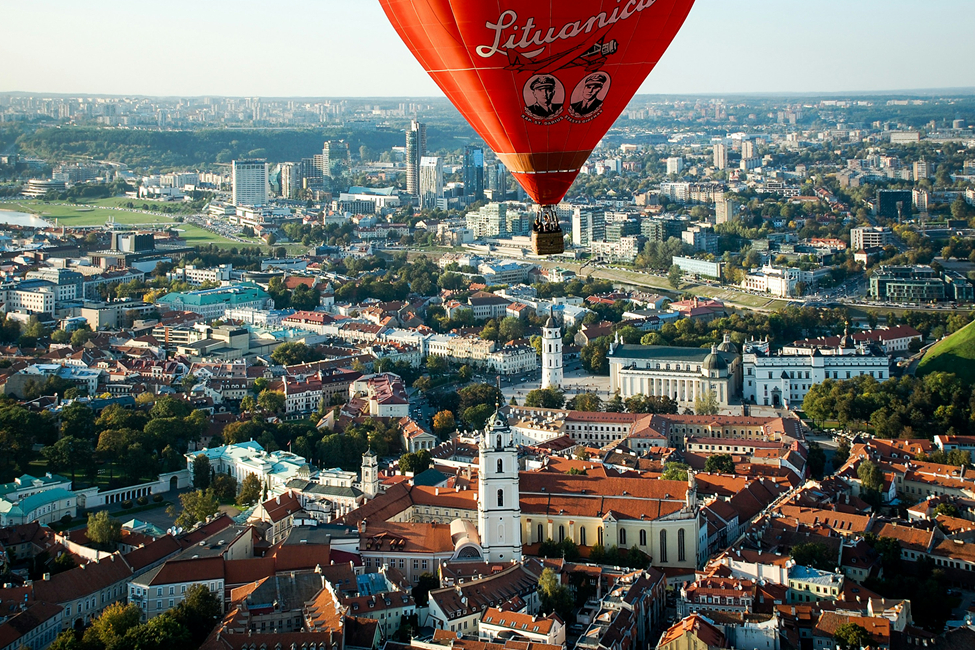
Reading Time: 9 minutesHere’s something travelers consistently say after their first trip to Lithuania: “I had no idea it was going to be this rich.” And that reaction makes complete sense, because Lithuania is one of those countries that carries an extraordinary amount of history, culture, and natural beauty quietly, without the kind of international marketing budget that turns destinations into household names. What you get when you actually arrive, though, is genuinely remarkable. A capital city, Vilnius, whose Old Town is a UNESCO World Heritage Site and one of the most beautifully preserved Baroque city centers in Europe. A medieval island castle at Trakai that rises from a shimmering lake as though it was placed there by a film set designer. A pilgrimage site, the Hill of Crosses, so quietly powerful that travelers who are not religious at all describe it as one of the most moving experiences of their lives. A UNESCO-listed peninsula, the Curonian Spit, with sand dunes rivaling the Sahara, pine forests, and Baltic Sea coastline so unspoiled it feels like another century entirely. And the thing that makes Lithuania particularly compelling right now, beyond its extraordinary history and culture, is the value it offers. Lithuania vacation packages deliver a depth and quality of experience that rivals far more expensive European destinations, at a price point that consistently surprises travelers who’ve budgeted based on Western European comparisons. The challenge is knowing where to look, which packages actually deliver on their promise, and which operator knows Lithuania well enough to bring its history and culture to life rather than just moving you between landmarks. That’s exactly what this guide addresses, from what to look for in genuinely affordable Lithuania vacation packages, to the destinations and experiences that define Lithuanian history and culture at its most compelling, to why Vytis Tours has led this market for over 33 years. Whether you’re a first-time visitor to the Baltic States, a history enthusiast who’s been meaning to get to Lithuania for years, or a traveler who wants depth of experience without a luxury price tag, this guide will help you plan something worth the journey. Read More: Best Lithuania Tours Companies & Vacation Packages 2026/2027 Trending Lithuania Vacation Package: LITHUANIAN ECONOMY TOUR – 9 DAYS / 8 NIGHTS Request a Quote for Your Lithuania Vacation Package Today! Book Your Estonia Tour Now! Why Lithuania Is One of Europe’s Most Historically Rich, and Most Underrated Destinations Before diving into the packages themselves, it’s worth taking a moment to understand why Lithuania rewards historical and cultural travelers so deeply. Because the scale of what this country contains, given how little visibility it gets in mainstream European travel, is genuinely surprising. The Grandest Medieval History You’ve Never Learned About At its peak in the 14th and 15th centuries, the Grand Duchy of Lithuania was the largest state in Europe, stretching from the Baltic Sea to the Black Sea. This isn’t a footnote in European history; it’s a central chapter. And the evidence of that history is everywhere: in the Gothic architecture of Vilnius, in the red-brick walls of Trakai Castle, in the fortifications of Kaunas, in the names of streets and districts that still carry the weight of centuries of history. Most Western travelers arrive with almost no prior knowledge of this story, which means the discoveries hit with full force. Lithuania is a place where history genuinely surprises you, and that surprise is one of the most rewarding things about visiting. A 20th Century History That Is Both Harrowing and Inspiring Lithuania’s modern history is one of the most dramatic national narratives of the 20th century. Soviet occupation, deportations to Siberia, underground resistance movements, a singing revolution that helped bring down the USSR, and a restoration of independence in 1990 that was achieved through extraordinary collective courage. The KGB Museum in Vilnius, housed in the former KGB headquarters, is one of the most sobering and important museum experiences in Europe. Grūtas Park near Druskininkai, an open-air museum of Soviet-era statues, offers a completely unique and darkly fascinating way to engage with that period. These are experiences that don’t just inform, they genuinely move you. Nature and Culture in Extraordinary Proximity Lithuania is small enough that you can move between dramatically different landscapes and experiences within a single day. Medieval Vilnius in the morning. Trakai Castle on an island lake by afternoon. The spa resort of Druskininkai by evening. The coastal dunes of the Curonian Spit the following day. That compactness, which translates directly into efficient, well-paced Lithuania vacation packages, means extraordinary variety without exhausting transit times. The Price Advantage Is Real Lithuania is consistently one of the most affordable countries in the European Union for international travelers. Accommodation, food, guided experiences, entrance fees, and local transport all cost significantly less than equivalent quality in Western Europe. This means that an affordable Lithuania vacation package isn’t a budget compromise; it’s genuinely good value for a high-quality experience. You pay less and get more, which in travel terms is about as good as it gets. What to Look for in an Affordable Lithuania Vacation Package Affordable doesn’t mean cut corners. Here’s how to identify packages that are genuinely good value, not just cheap: All-Inclusive Pricing That Covers the Real Costs The most reliable sign of a well-structured Lithuania vacation package is a clear, comprehensive price that includes accommodation, daily breakfast, all transfers, entrance fees to major sites, and guide costs. When these are bundled, you can compare packages honestly and budget accurately. When they’re not, the “affordable” headline price often becomes considerably less affordable once you add what’s missing. Vytis Tours’ Lithuania Economy Tour includes all of these as confirmed inclusions: accommodation, breakfast, transfers, an English-speaking guide, and entrance fees to key sites including the Čiurlionis Museum, the Devil’s Museum, the KGB Museum, Trakai Castle, Vilnius University, and more. That level of inclusion is rare and represents outstanding value. A Guide Who Actually Knows Lithuania The single most powerful upgrade in any cultural or historical trip
Best Cities to Visit in Lithuania | Vytis Tours
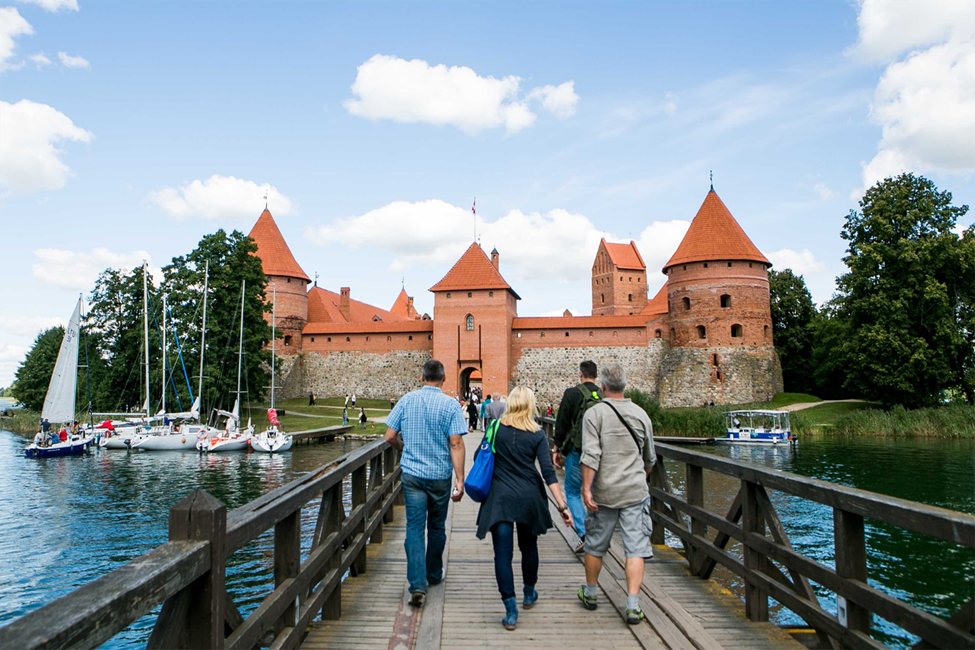
Reading Time: 6 minutesDiscover Lithuania’s most charming cities, from historic Vilnius to coastal Klaipėda and scenic Trakai. A hidden gem of Europe. Lithuania may be one of Europe’s lesser-known destinations, but travelers who visit often leave completely surprised by its beauty, culture, and atmosphere. From cobblestone Old Towns and lakeside retreats to seaside escapes and creative neighborhoods, Lithuania offers a mix of history and modern charm that feels refreshingly authentic. What makes Lithuanian cities especially appealing is their balance. They’re lively without feeling overwhelming, historic without feeling overly commercialized, and modern while still holding tightly to local traditions. Every city seems to have its own personality, whether it’s artistic, coastal, medieval, or deeply connected to nature. For travelers looking to experience a different side of Europe, one filled with culture, warmth, and hidden beauty, Lithuania delivers far more than most people expect. Here are some of the best cities to visit in Lithuania and why each one deserves a place on your itinerary. Vilnius: Europe’s Underrated Fairytale Capital It’s impossible to talk about Lithuania without starting with Vilnius. The capital city is often described as one of Europe’s most underrated destinations, and honestly, that description feels completely deserved. Vilnius combines medieval architecture, creative energy, rich history, and a relaxed atmosphere in a way that instantly draws people in. The Old Town is one of the largest surviving medieval old towns in Europe and a UNESCO World Heritage Site. Walking through its narrow streets feels like discovering hidden stories around every corner. Baroque churches, colorful courtyards, small cafés, and quiet alleys give the city a warm and intimate feeling. But Vilnius is more than just historical beauty. The city also has a youthful and artistic side. Areas like Užupis, the self-declared “independent republic” known for its creative spirit, add personality and humor to the city. Street art, galleries, local markets, and trendy cafés make Vilnius feel modern without losing its historical soul. One of the best things about Vilnius is its pace. Unlike some European capitals that feel rushed and crowded, Vilnius feels calm and welcoming. You can spend hours wandering without a strict plan and still feel like you discovered something special. For many travelers, Vilnius becomes one of the biggest surprises in Europe. Kaunas: Lithuania’s Creative and Cultural Heart While Vilnius often gets the international attention, Kaunas has quietly become one of Lithuania’s coolest and most dynamic cities to visit in Lithuania. Located at the meeting point of two rivers, Kaunas blends history, architecture, creativity, and local culture in a way that feels authentic and energetic. The city is especially famous for its interwar modernist architecture, much of which has gained international recognition in recent years. Walking through Kaunas, you’ll notice a fascinating mix of historical buildings, street art, modern cafés, and creative public spaces. Kaunas has a younger and more alternative atmosphere compared to Vilnius. It’s a city where local culture feels very alive. Independent bookstores, design shops, music events, and art galleries give the city an exciting but still approachable energy. Laisvės Alėja, one of the longest pedestrian streets in Europe, serves as the social heart of the city. Locals gather here to meet friends, enjoy coffee, and spend slow afternoons outdoors. Kaunas also has a strong connection to Lithuanian history, especially regarding the country’s independence movements and wartime experiences. Museums and memorial sites throughout the city provide deeper insight into Lithuania’s past. For travelers who enjoy destinations with strong local character and creative energy, Kaunas is an essential stop. Klaipėda: Lithuania’s Coastal Escape If you want to experience Lithuania’s connection to the Baltic Sea, Klaipėda is the place to go. Located on the western coast, Klaipėda feels noticeably different from the country’s inland cities. Its maritime atmosphere, German-influenced architecture, and relaxed seaside vibe give it a unique identity within Lithuania. The city’s Old Town is smaller than Vilnius but full of charm. Timber-framed buildings, cobblestone streets, sculptures, and riverside cafés create a peaceful environment perfect for slow exploration. Klaipėda is also the gateway to one of Lithuania’s most breathtaking natural destinations: the Curonian Spit. This UNESCO World Heritage Site is known for its giant sand dunes, pine forests, cycling paths, and quiet seaside villages. Many travelers use Klaipėda as a base for exploring the area, and it’s easy to see why locals love spending summers here. What makes Klaipėda especially appealing is its laid-back atmosphere. Life feels slower here, particularly during warmer months when locals gather near the water, enjoy outdoor festivals, and spend evenings watching sunsets along the coast. For travelers who love coastal cities without overwhelming crowds, Klaipėda is a hidden gem. Trakai: Lithuania’s Storybook Lakeside Town Technically smaller than a major city, Trakai still deserves a place on this list because of how unforgettable it is. Located just outside Vilnius, Trakai is famous for its stunning island castle sitting in the middle of Lake Galvė. The image of the red-brick castle surrounded by water feels almost unreal in person. But Trakai’s charm goes beyond the castle itself. The town has a peaceful lakeside atmosphere that makes it one of Lithuania’s most relaxing destinations. Wooden houses, waterfront cafés, sailing boats, and scenic walking paths create the perfect setting for a slower day trip or overnight stay. Trakai is also culturally unique because of the Karaim community, a small ethnic group that has lived in the area for centuries. Their traditions and cuisine remain an important part of the town’s identity, and trying traditional Karaim pastries known as kibinai is practically a local tradition for visitors. During summer, Trakai becomes especially beautiful as locals and travelers gather around the lakes to enjoy boating, picnics, and outdoor dining. It’s the kind of destination that feels calm, romantic, and timeless all at once. Šiauliai: Lithuania’s Spiritual and Historical Center Šiauliai may not always appear at the top of travel itineraries, but it holds one of Lithuania’s most powerful and meaningful landmarks, the Hill of Crosses. This famous pilgrimage site features thousands upon thousands of crosses placed over decades
Guide to Visiting Devil’s Museum in Lithuania for Travelers!
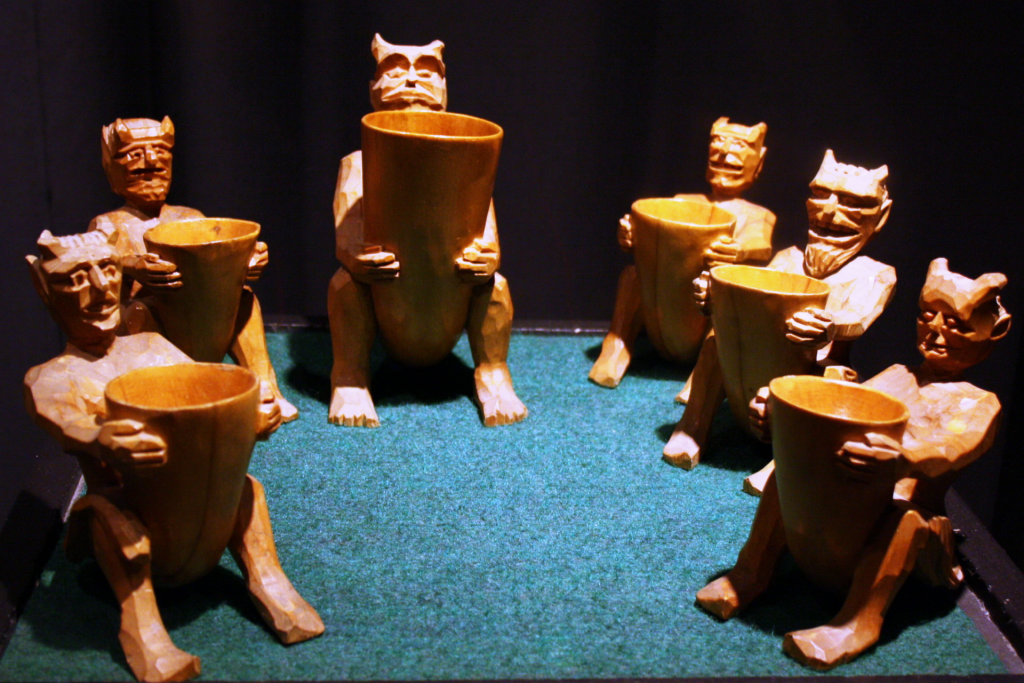
Reading Time: 13 minutesIf you’re looking for a truly unique cultural experience in Lithuania, the Devil’s Museum deserves a place at the top of your itinerary. Located in the heart of Kaunas, this one-of-a-kind museum is dedicated entirely to artistic, cultural, and folkloric representations of devils from around the world. With thousands of exhibits ranging from traditional Lithuanian wood carvings to international artworks and playful modern interpretations, the museum offers an experience that is both fascinating and unforgettable. For professionals planning a well-rounded Baltic itinerary, Kaunas is increasingly recognized as a cultural hub between Vilnius and the western regions of the country. The Devil’s Museum fits perfectly into Lithuania tours, whether you are exploring independently or as part of Lithuania guided tours. Its central location, manageable visit time, and distinctive theme make it an ideal stop on both short city visits and multi-day travel programs. This guide will help you plan your visit, understand what to expect, and make the most of one of the country’s most unusual and talked-about attractions. Discover the Best Baltic Vacation Companies: Best Baltic Tour Companies & Operators 2026 Trending Grand Tour Lithuania Vacation Package: The Grand Tour of Lithuania (13 Days, 12 Nights) Book Your Lithuania Tour Now! Why Visit the Devil’s Museum? The Devil’s Museum is not just another museum—it is one of the most unusual and culturally intriguing attractions in Kaunas. For travelers seeking experiences beyond traditional sightseeing, this museum offers a rare opportunity to explore folklore, art, humor, and cultural symbolism all in one place. A One-of-a-Kind Collection The Devil’s Museum houses a vast and growing collection of over 3,000 devil-themed items from Lithuania and around the world. Exhibits include wooden carvings, ceramics, paintings, masks, textiles, and sculptures, each reflecting different artistic styles and cultural interpretations. From frightening and mythological figures to playful and satirical versions, the collection showcases how the image of the devil has evolved across societies and time periods. Insight into Lithuanian Folklore and Traditions In Lithuanian folklore, the devil is not always portrayed as purely evil. Instead, he often appears as a mischievous, clever, or even humorous character. Visiting the museum provides deeper insight into local traditions, rural storytelling, and the country’s rich mythological heritage—making it an excellent cultural stop for those interested in authentic experiences during their Lithuania tours. International Cultural Perspective Beyond local folklore, the museum features exhibits from more than 70 countries. Visitors can see how different cultures interpret similar mythological or symbolic figures. This global perspective adds educational value and makes the experience engaging for international travelers and professionals looking to understand cultural diversity through art. A Unique and Memorable Experience For travelers who have already visited historic old towns, castles, and churches, the Devil’s Museum offers something refreshingly different. Its creative displays, occasional humor, and unconventional theme make it one of the most memorable stops included in group tours to Lithuania, and customized Lithuania vacation packages. Easy to Combine with Other Kaunas Highlights The museum’s central location makes it easy to visit alongside other major attractions in Kaunas. Whether you’re spending a half-day in the city or exploring it as part of a broader itinerary between Vilnius and western Lithuania, the Devil’s Museum is a convenient and worthwhile addition to your travel plans. In short, if you’re looking for a cultural experience that is distinctive, educational, and entertaining, the Devil’s Museum offers a fascinating glimpse into the artistic and folkloric imagination of Lithuania and the wider world. Read More: Best Things To Do In Palanga, Lithuania (Travel Guide) Trending Grand Tour Lithuania Vacation Package: The Grand Tour of Lithuania (13 Days, 12 Nights) Book Your Lithuania Tour Now! How to Reach Devil’s Museum, Lithuania? Located in the cultural heart of Kaunas, the Devil’s Museum is both easy to access and a convenient addition to broader Lithuanian tours. Its central setting makes it accessible whether you’re staying in Kaunas, arriving from elsewhere in Lithuania, or exploring with an organized itinerary. Museum Location Devil’s Museum Address: V. Putvinskio g. 64, 44211 Kaunas, Lithuania — a short distance from Kaunas’s pedestrian streets and cultural attractions. From Within Kaunas On Foot — Ideal for City Stay If you’re already exploring Kaunas’s city centre — especially around Laisvės Alėja (Liberty Avenue) — the museum is within comfortable walking distance. Head northeast toward V. Putvinskio Street and follow it for about 10–15 minutes to reach the museum. This makes it a perfect stop during a walking tour of the city on group tours to Lithuania or as part of a cultural day in Kaunas. By Public Transport Kaunas has a reliable public bus and trolleybus network, and several stops are close to the museum. From Kaunas Bus or Train Stations: Take local buses numbered like 29G, 37, 42, 6, or 6A and get off near stops such as Studentų skveras or L. Sapiegos g. — both a short 5–7 minute walk to the museum. Other city bus or trolley lines also operate within central Kaunas and can bring you close if your hotel is in another neighborhood. Kaunas public transport tickets are affordable (typically around €1 per ride) and can be bought on board or with the Žiogas app for convenience. This option works well for travelers on Lithuania budget tours or those who prefer local transit in between guided city experiences. By Car or Taxi If you’re arriving by car, navigation to V. Putvinskio g. 64 is straightforward via GPS. There is street parking nearby, but be mindful that central parking zones may require payment. Alternatively, taxis or rideshare services like Bolt are widely used in Kaunas and are a convenient way to get to the museum if you’re carrying luggage or visiting directly from your accommodation. Simply enter Devil’s Museum, V. Putvinskio g. 64 as the destination. From Other Lithuanian Cities If you’re traveling to Kaunas from other major Lithuanian locations as part of a broader travel plan: From Vilnius: Trains from Vilnius typically take around 1 hour to reach Kaunas Railway Station, which is less than 3 km from the Devil’s Museum — easily reachable by bus, taxi,
Vilnius Christmas Market: Complete Travel Guide
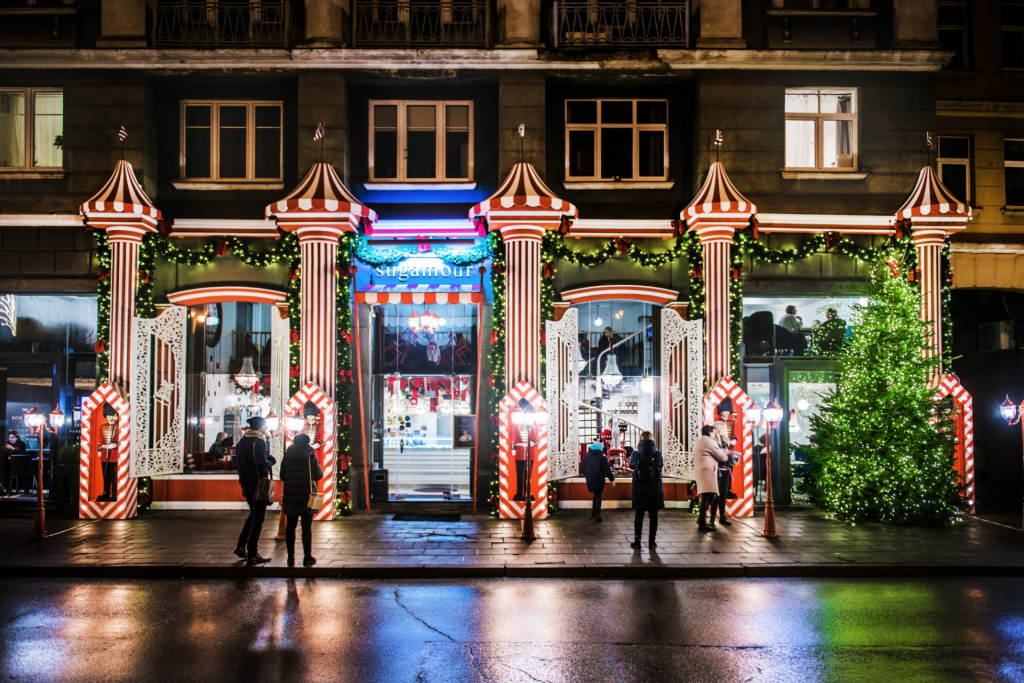
Reading Time: 17 minutesThere are Christmas markets, and then there is the Vilnius Christmas Market. Set against the dramatic backdrop of Vilnius Cathedral, centuries-old baroque architecture, and cobblestone streets dusted with winter snow.
Lithuanian Christmas Traditions (What You Should Know About Kūčios)
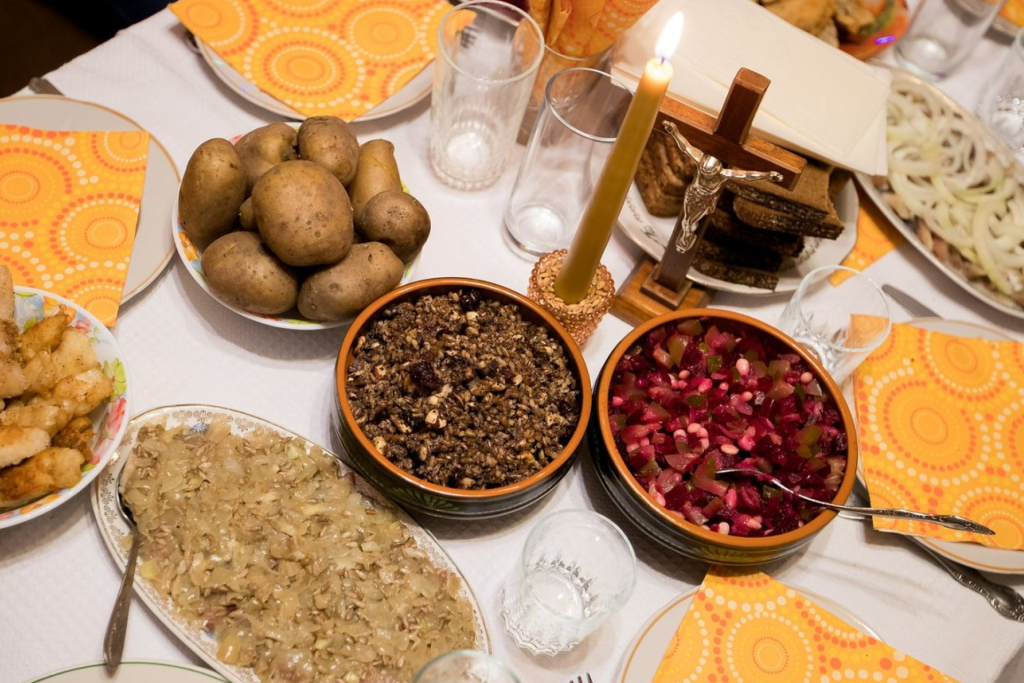
Reading Time: 9 minutesChristmas in Lithuania is not just a festive season—it is a deeply rooted cultural experience filled with meaning, symbolism, and centuries-old traditions.
Lithuanian Sea Museum Travel Guide (All You Should Know)
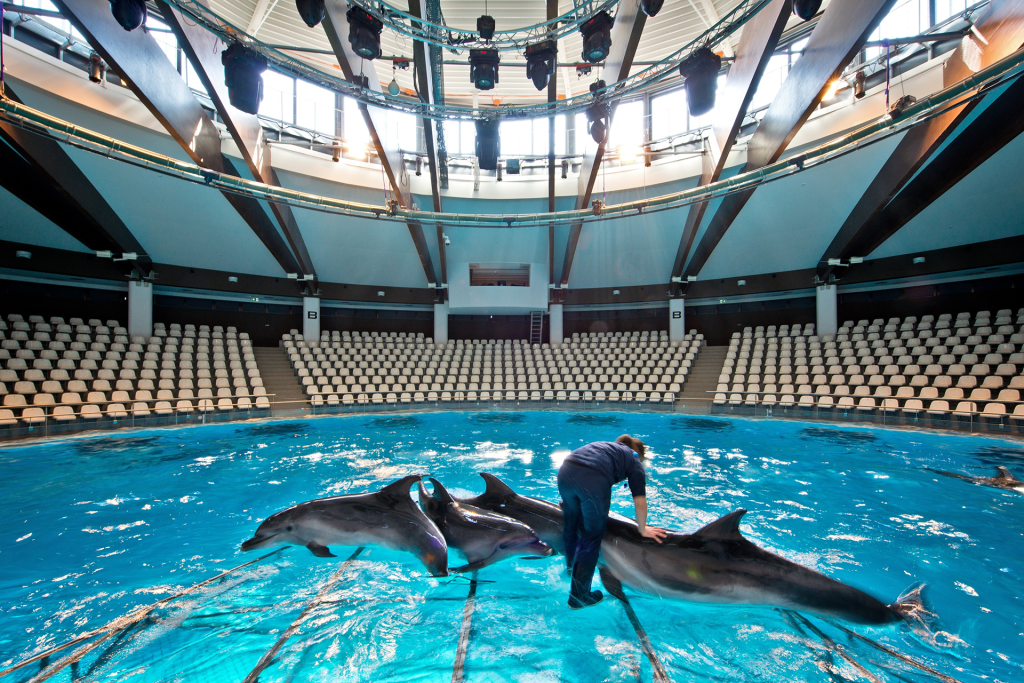
Reading Time: 9 minutesIf you’re planning a trip to coastal Lithuania, the Lithuanian Sea Museum is one destination you simply shouldn’t miss.
Best Things To Do In Mažeikiai, Lithuania (Travel Guide)
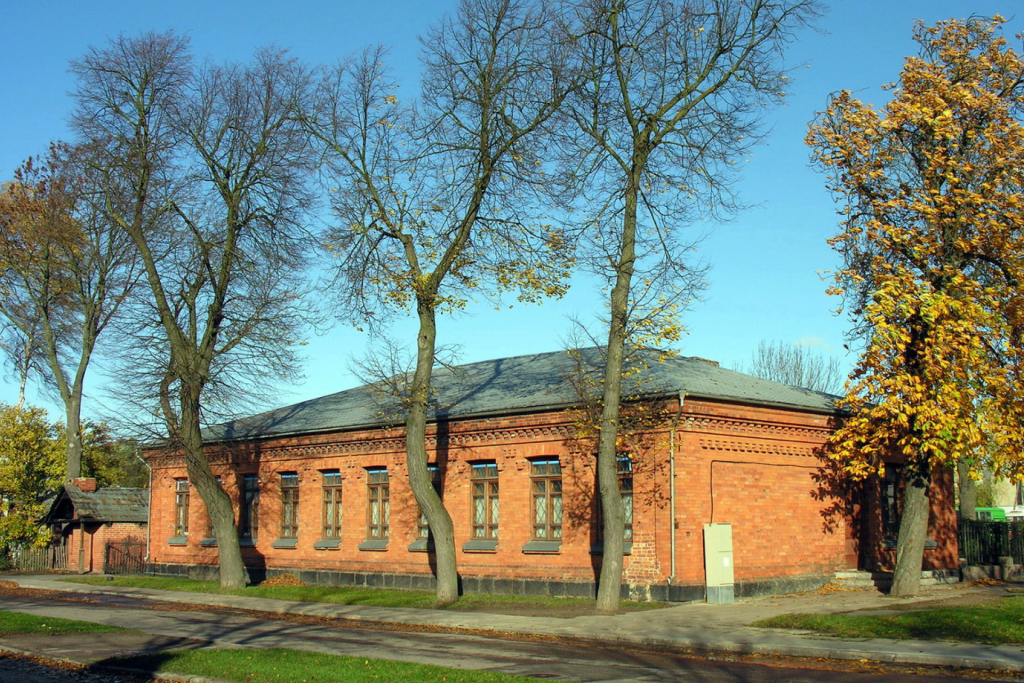
Reading Time: 9 minutesIf you’re looking to explore a quieter, more authentic side of Lithuania, Mažeikiai is a destination that deserves your attention.
Palace of the Grand Dukes of Lithuania: Complete Travel Guide
Reading Time: 11 minutesRight in the heart of Vilnius Old Town, the Palace of the Grand Dukes of Lithuania stands as one of the most important cultural and historical landmarks in the country.
Best Restaurants in Vilnius: A Foodie’s Lithuania Travel Guide
Reading Time: 4 minutesVilnius might surprise you. Beyond its historic streets and charming Old Town, the city has quietly built a reputation as one of the most exciting food destinations in the Baltics
